


What Is Vintage Home Decor? A Complete Guide to Styles, Eras, and Aesthetics
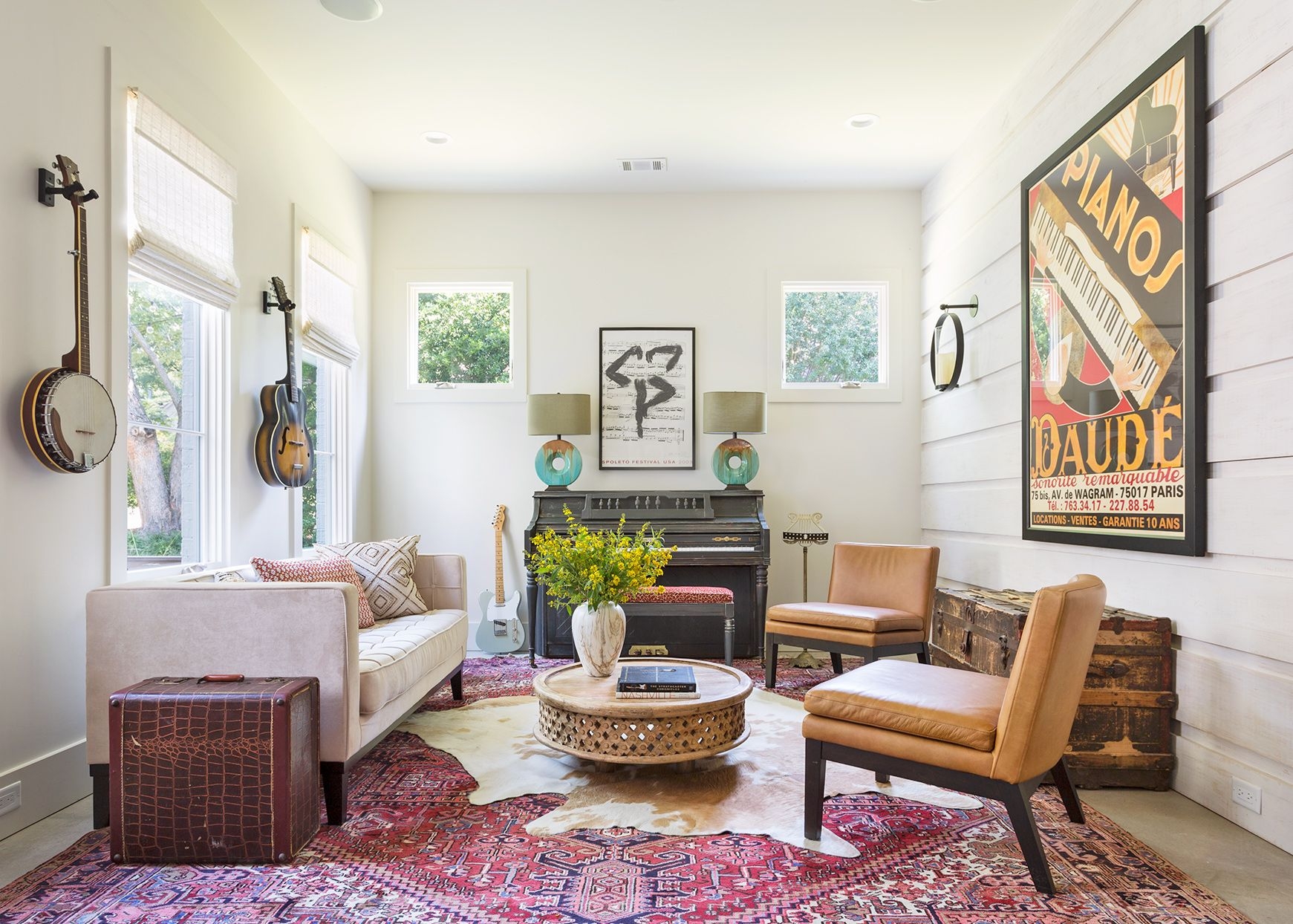
Vintage home decor brings character, history, and visual warmth into a living space by incorporating furnishings and decorative pieces associated with earlier design periods. Unlike a room built entirely around current trends, a vintage-inspired interior often feels collected over time, with distinctive materials, craftsmanship, colors, and shapes contributing to its personality. The appeal comes from more than simply choosing older objects; it involves understanding how different eras developed their own design language. With thoughtful selection, vintage pieces can work comfortably alongside contemporary furniture and modern household needs.
For beginners, the word “vintage” can sometimes be confusing because it is used broadly in furniture, fashion, collectibles, and interior design. In general decorating terms, it usually refers to items that represent a previous period and have enough age or period character to distinguish them from newly manufactured products. Antique furniture is generally older and is often discussed separately, while reproductions are newly produced items designed to imitate historical styles. Knowing these distinctions can make shopping and decorating decisions much easier.
What Defines Vintage Home Decor?
Furniture may show distinctive joinery, aged finishes, original hardware, patterned upholstery, or silhouettes that were popular during a specific era. Vintage home decor is primarily recognized through its connection to a particular period, design movement, material, or manufacturing style. Decorative accessories can include mirrors, lamps, artwork, ceramics, clocks, textiles, and other objects that contribute to the historical character of a room. The objective is not necessarily to make every item old, but to create a sense of continuity between the past and present.
Authenticity can vary considerably among vintage pieces. Some may retain their original finishes and components, while others have been repaired, refinished, reupholstered, or modified during their lifetime. These changes do not automatically make an item unsuitable for a vintage interior, but they can affect its history and collectible value. When buying an important or expensive piece, examine its construction, condition, materials, and available background information rather than judging authenticity solely from its appearance.
Understanding Popular Vintage Design Eras
Different decades produced noticeably different approaches to furniture and interiors. Early twentieth-century homes often featured detailed woodwork, decorative patterns, and substantial furniture, while later periods increasingly embraced streamlined shapes and new manufacturing techniques. Mid-century interiors are known for clean lines, organic forms, tapered legs, and functional designs. The 1970s introduced richer colors, earthy palettes, textured materials, and more relaxed silhouettes.
Understanding these differences can help you create a more coherent room. If you enjoy the warmth of the 1970s, for example, you might incorporate wood furniture, earthy colors, textured fabrics, and vintage lighting. Someone attracted to earlier decorative styles may prefer carved details, patterned textiles, and traditional silhouettes. You do not have to reproduce an entire decade, but recognizing the characteristics of each era can help you choose pieces that work naturally together.
Vintage Furniture and Natural Materials
Materials play a major role in establishing the character of vintage interiors. Natural wood is particularly versatile because it develops visual depth as it ages and can complement many decorating styles. Teak, walnut, oak, pine, mahogany, and other woods appear across different periods, with finishes and construction methods changing according to the era. Metal, glass, leather, stone, ceramics, and woven materials can also add variety and help prevent a room from relying too heavily on one texture.
When shopping for older furniture, inspect materials carefully rather than assuming every aged surface indicates quality. Natural wear can add character, but water damage, structural weakness, insect damage, or poorly executed repairs may require expensive attention. Look inside drawers, underneath tables, behind cabinets, and around joints whenever possible. These less visible areas can provide useful clues about construction and the overall condition of a piece.
Choosing a Vintage Dining Table and Chairs
Look for proportions that suit the room and seating that remains comfortable for everyday meals. A vintage dining table and chairs can become the centerpiece of a dining room because the combination provides both practical function and strong visual character. Wood tables with naturally aged surfaces can create warmth, while upholstered or sculpted chairs can introduce contrast. The goal is to find pieces that complement each other without making the dining area appear overly matched.
Before purchasing older dining furniture, carefully inspect the tabletop, legs, joints, and chair frames. Tables should remain stable without excessive movement, and chairs should support normal use without creaking or shifting dangerously. Upholstery may need replacement, particularly when the original fabric has deteriorated. If restoration is necessary, consider whether the cost and effort make sense compared with the furniture's condition, quality, and historical appeal.
Mixing Vintage Pieces With Contemporary Furniture
One of the easiest ways to make vintage decor feel current is to combine older pieces with contemporary furnishings. A vintage cabinet can work against a simple modern wall, while an older dining set can be paired with contemporary lighting and minimalist artwork. This contrast prevents the room from feeling like a historical recreation and allows distinctive vintage pieces to receive more visual attention. It also makes the space more practical for modern lifestyles.
Balance is important when combining different periods. Pay attention to scale, color, materials, and overall visual weight so the furniture does not appear disconnected. Repeating a wood tone or accent color can help separate pieces feel related. Modern textiles, lighting, or artwork can also refresh an older room without removing the qualities that make the vintage furniture interesting.
Using Color, Pattern, and Texture
Color is one of the most effective ways to establish a vintage atmosphere. Depending on the era, suitable palettes may include muted greens, warm browns, mustard, cream, terracotta, dusty blue, burgundy, or soft pastels. Patterns such as florals, geometric shapes, stripes, and traditional motifs can add additional period character. However, using too many competing patterns can make the room feel crowded rather than thoughtfully layered.
Texture is equally important because vintage interiors often benefit from visual depth. Woven rugs, aged wood, linen curtains, ceramic accessories, leather seating, textured upholstery, and metal accents can create a comfortable and collected appearance. Try combining contrasting textures while keeping the overall color palette controlled. This approach allows individual pieces to stand out without making every surface compete for attention.
Vintage Accessories and Decorative Details
Accessories can transform a room without requiring a complete furniture change. Vintage mirrors, table lamps, clocks, artwork, vases, books, trays, and ceramics can introduce historical references on a smaller scale. These items are especially useful for renters or homeowners who want to experiment with vintage style gradually. A few carefully selected objects often have more impact than covering every available surface with decorative pieces.
Consider the story and function of each accessory before adding it to the room. An old ceramic vase can hold fresh flowers, while a vintage lamp can provide useful lighting as well as visual interest. Display collections selectively so the room retains enough open space. Leaving some surfaces clear helps individual objects receive attention and keeps the overall design from becoming visually overwhelming.
How to Shop for Authentic Vintage Pieces
Shopping for vintage furniture requires patience because condition, originality, and construction can vary widely. Examine pieces closely and ask sellers about their history, previous repairs, refinishing, and replacement parts. If a piece is attributed to a particular designer or manufacturer, research identifying features such as labels, construction techniques, dimensions, and hardware. For valuable items, professional appraisal or authentication may be appropriate before making a significant purchase.
Price should be considered alongside condition and provenance rather than age alone. An ordinary older item may be less significant than a well-preserved piece from a recognized design period. Similarly, a heavily restored item may have a different value and character from one that retains much of its original condition. Understanding these distinctions helps buyers make decisions based on their actual goals rather than assumptions about what “vintage” automatically means.
Creating a Timeless Vintage-Inspired Home
Vintage style works best when it reflects the personality of the people living in the home. You do not need to commit to one decade or fill every room with antique-looking objects. Instead, select furniture and accessories that provide warmth, character, functionality, and visual interest. A vintage dining table and chairs, an aged wooden cabinet, or a distinctive lamp can become a starting point around which the rest of the room develops naturally.
The enduring appeal of vintage home decor comes from its ability to combine history with everyday living. Older pieces can bring craftsmanship, texture, and individuality into interiors while contemporary furniture provides comfort and practicality. By understanding different eras, evaluating quality, and mixing pieces thoughtfully, you can create a space that feels collected rather than manufactured. The result is a home with personality, where the past and present work together in a comfortable and visually balanced way.

