


Freelancer Finances Made Simple: Choosing the Right Tax App for Your Side Hustle
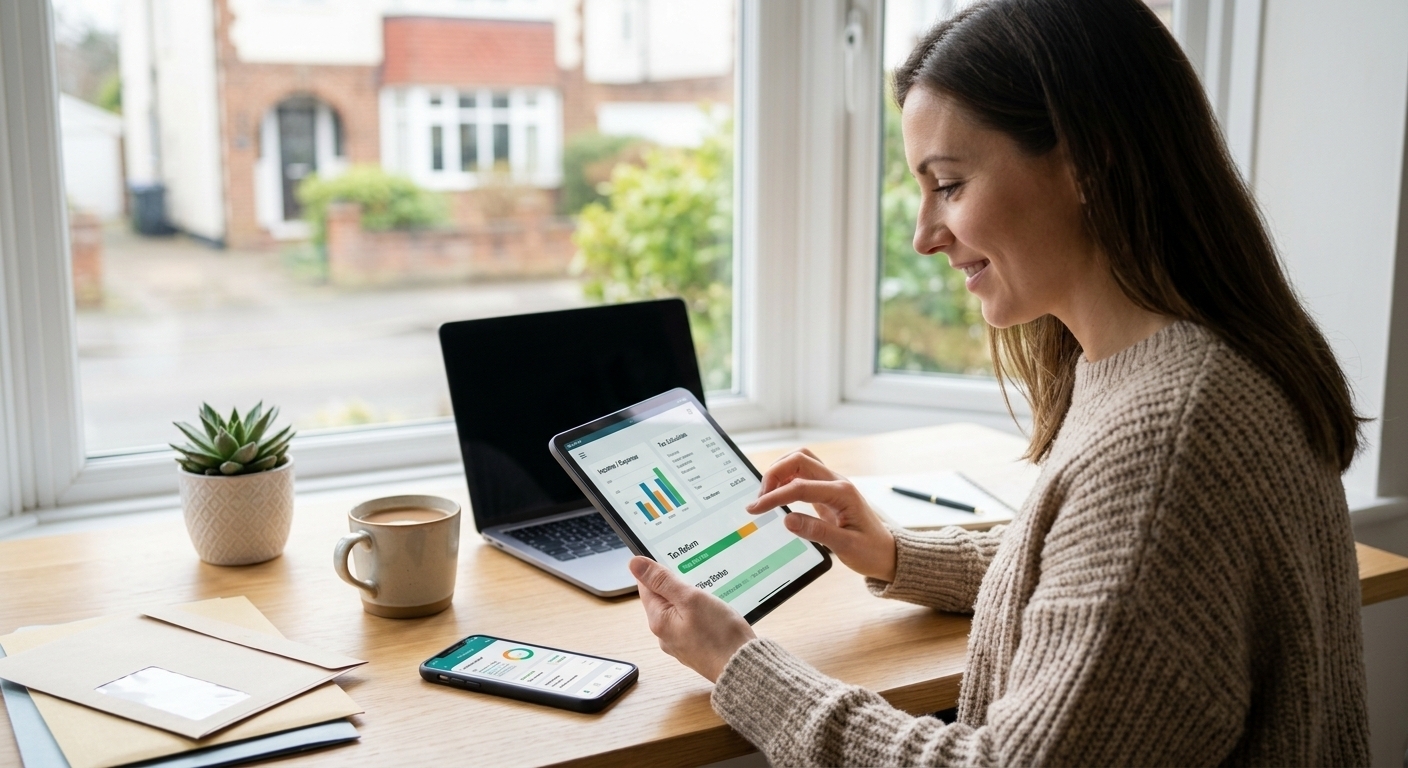
Turning a side hustle into a reliable source of income is exciting. Whether you're freelancing after work, driving for a ride-hailing platform, cutting hair from a rented salon chair, or taking on weekend trade jobs, earning money independently brings new opportunities. But there's another side to self-employment that many people overlook: managing your finances.
Keeping track of payments, saving receipts, understanding allowable expenses, and preparing for HMRC deadlines can quickly become overwhelming. What starts as a few extra hours of work each week can turn into a complicated bookkeeping task. That's where a tax app can help. The right software makes it easier to organise your finances, understand your tax obligations, and spend less time dealing with paperwork.
If you're searching for the Best Tax App UK Freelancers can use to manage a side hustle in 2026, this guide explains what to look for, how tax automation works, and how to choose software that fits your business.
Why Managing Side Hustle Finances Matters
Many people assume that earning money on the side means dealing with fewer tax responsibilities. However, income from freelance projects, self-employment, and other trading activities may need to be reported to HMRC, depending on your circumstances.
For example, a full-time employee who earns additional income from graphic design, tutoring, photography, or online services may have tax obligations beyond their PAYE employment.
The same applies to a self-employed taxi driver, barber, tradesperson, or salon professional who earns money from additional clients. The challenge isn't just calculating tax. It's maintaining accurate records throughout the year. Without an organised system, you might struggle to remember which expenses belong to your business, how much clients have paid, or whether you have enough money set aside for your tax bill. A dedicated tax app can bring your financial information together, helping you monitor earnings and prepare for tax deadlines without relying on scattered spreadsheets and paper receipts.
What Should You Look for in the Best Tax App UK Freelancers Need?
Not every side hustle requires advanced accounting software. A freelancer earning occasional project income may need different features from someone running a busy salon or working as a full-time tradesperson. The key is choosing a solution that matches your business activities and makes everyday financial tasks easier.
1. Simple Income and Expense Tracking
Your first priority should be a straightforward way to record money coming into and leaving your business. Look for features such as bank transaction imports, expense categorisation, digital receipt storage, and clear income reports.
For example, a freelance writer might receive payments from five different clients in one month. A tax app can help organise those payments and show how much income the business has generated.
Similarly, a self-employed electrician can record payments for materials, tools, and business insurance. Keeping records up to date throughout the year makes it easier to understand your actual business profit and identify missing transactions before preparing your tax return.
2. Self Assessment Support
Self Assessment can be confusing for people managing their first side hustle. You need to understand which income must be reported, which expenses may be allowable, and how your business profits affect your tax position. Tax software can help organise the information needed for your Self Assessment tax return and, where supported, assist with preparing and submitting it to HMRC.
Before choosing an app, check whether it supports the tax year and reporting requirements relevant to your circumstances. Remember that software does not automatically determine every tax obligation. If you also have employment income, rental income, or other sources of earnings, your overall tax position may require additional consideration.
3. Making Tax Digital Compatibility
Making Tax Digital for Income Tax is an important consideration for UK freelancers and sole traders in 2026. From 6 April 2026, qualifying self-employed individuals and landlords with qualifying income above £50,000 must use Making Tax Digital for Income Tax, based on their 2024–25 tax return. The threshold reduces to above £30,000 from April 2027 and above £20,000 from April 2028, based on the relevant previous-year returns.
The system requires digital records and quarterly updates to HMRC, followed by the applicable year-end tax submission. If your side hustle falls within the rules, choosing compatible software early can help you establish good bookkeeping habits before your start date. Check that your chosen app supports the MTD functions you actually need. Basic expense tracking or traditional Self Assessment software does not necessarily provide full Making Tax Digital compatibility.
How a Tax App Can Simplify Your Side Hustle
A useful tax app should do more than store financial information. It should help you develop a manageable routine that reduces the time spent on administration.
Here are some practical ways tax automation can support your business.
Spend Less Time on Bookkeeping
Manually entering transactions and organising receipts can become tedious, particularly when you're balancing freelance work with a full-time job. Bank feeds and automated transaction imports can reduce repetitive data entry. Receipt scanning can also help you attach supporting documents to relevant expenses.
For example, a barber working evenings and weekends can record purchases of clippers, qualifying supplies, and business-related costs without waiting until the end of the month. Automation still requires regular checks. Review imported transactions, correct incorrect categories, and make sure personal spending is not incorrectly treated as a business expense.
Understand Your Profits and Cash Flow
Revenue and profit are not the same thing. A side hustle might generate £2,000 in monthly sales, but equipment, materials, transport, software subscriptions, and other business expenses can reduce the amount left over. A tax app with clear financial reports can help you see how much you have earned, what you have spent, and how your business is performing.
For freelancers with irregular income, this information can be particularly valuable when planning quieter months or deciding when to invest in new equipment. Tax estimates can also help you plan how much money to reserve for potential tax liabilities. However, estimates are not guaranteed final bills, and your actual tax position depends on your complete financial circumstances.
Choosing a Tax App for Different Types of Side Hustles
The most suitable features depend on the nature of your work.
|
Side hustle |
Useful tax app features |
|
Freelance writing, design, or consulting |
Invoicing, bank feeds, expense tracking, and profit reports |
|
Taxi and private hire driving |
Frequent income recording, vehicle expense tracking, and receipt storage |
|
Barbers and salon professionals |
Daily takings, product expenses, chair rental records, and mobile access |
|
Tradespeople and contractors |
Digital receipts, materials tracking, business travel records, and expense reports |
|
Online sellers and small businesses |
Sales tracking, payment reconciliation, and organised financial summaries |
Taxi drivers, for instance, may receive frequent payments and incur vehicle-related costs. They need to distinguish business and private vehicle use and apply the appropriate expense treatment. A self-employed salon professional may need to separate service income from product sales, while a tradesperson might want to organise receipts for materials purchased across different jobs. The Best Tax App UK Freelancers choose should accommodate these everyday differences rather than forcing every business into the same bookkeeping routine.
Avoid These Common Side Hustle Tax Mistakes
Even with modern software, a few common mistakes can create unnecessary stress.
-
Mixing personal and business transactions: Using a separate business bank account, where practical, can make it easier to identify business income and expenses.
-
Forgetting small expenses: Regular purchases of supplies, parking, or business materials can add up. Record potentially allowable costs and keep supporting evidence.
-
Leaving bookkeeping until January: Waiting until the Self Assessment deadline approaches can make it difficult to reconstruct months of transactions. Updating records weekly or monthly is more manageable.
-
Assuming every purchase is tax-deductible: Only expenses that meet HMRC's rules can be claimed. Personal costs and certain capital purchases may receive different tax treatment.
-
Ignoring tax deadlines: A tax app can provide reminders and organised records, but you remain responsible for meeting the applicable deadlines and submitting accurate information.
Developing a simple routine can help prevent these issues from becoming larger problems.
A Practical Routine for Keeping Your Side Hustle Finances Organised
You don't need to spend hours managing your accounts every week.
Start with a routine that fits your working schedule:
-
Weekly: Record income, categorise transactions, and upload receipts.
-
Monthly: Review business expenses, check unpaid invoices, and monitor your profit.
-
Quarterly: Review financial records and complete Making Tax Digital updates if applicable.
-
Before filing: Check your records, review allowable expenses, and confirm the information included in your tax return.
If you work full-time and freelance during evenings, setting aside just 15–20 minutes each week for bookkeeping can help keep financial administration under control.
As your business grows, you can adjust your routine and seek professional accounting advice when your circumstances become more complicated.
Final Thoughts: Make Your Side Hustle Easier to Manage
Running a side hustle should give you more financial opportunities, not leave you overwhelmed by paperwork and tax worries. Choosing the right tax app can help you track income, organise expenses, prepare for Self Assessment, and understand your financial position throughout the year. Start by identifying your biggest bookkeeping challenge. Then compare software features, pricing, HMRC compatibility, and ease of use before committing to a subscription.
For freelancers and small business owners looking to simplify their financial administration, Taxara Ltd is one option to explore. Its bookkeeping and tax-related features may help bring everyday financial tasks into a more organised workflow, depending on your requirements and the software's current capabilities. With consistent record-keeping and the right digital tools, you can spend less time worrying about your finances and more time building a side hustle that works for you.

