


What Should Buyers Ask zjgycnc Before Choosing Mill-Turn Equipment?
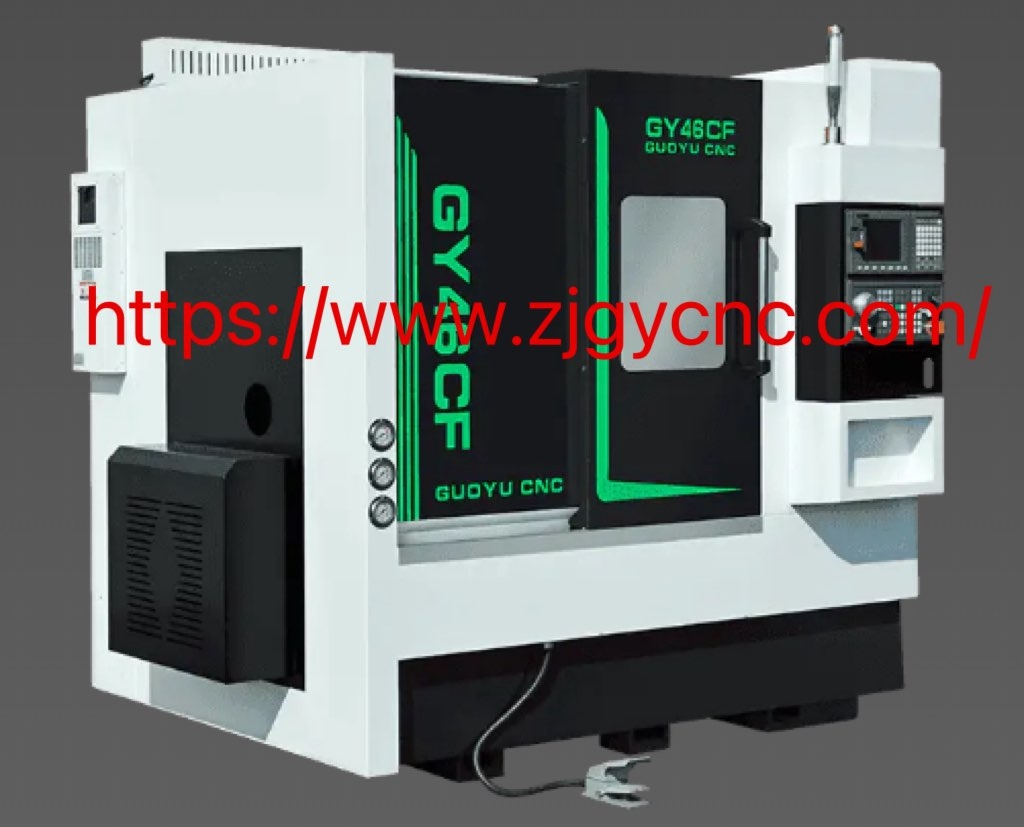
Mill-Turn CNC Machine selection should begin with the actual component and its complete production route. Buyers should review part geometry, material, turning operations, milling features, drilling requirements, tolerances, tooling, workholding, spindle conditions, production volume, and operator experience. This gives purchasing teams a practical basis for deciding whether an integrated setup fits their workflow. zjgycnc provides multifunctional turning and milling equipment for applications that require several machining processes within one coordinated production environment.
Map the Complete Production Route
Before comparing equipment, buyers should write down every operation required to produce a representative component. This may include facing, external turning, boring, threading, drilling, tapping, slotting, and milling.
The purpose is to understand how the part currently moves through production. If several separate setups are required, buyers can examine whether an integrated configuration could reduce handling between processes.
A complete process map also helps manufacturers understand the application more clearly.
Identify Suitable Components
Not every component requires combined turning and milling. Buyers should identify parts with multiple features that currently require different production stages.
Components containing radial holes, slots, milled surfaces, threads, or other secondary features may benefit from coordinated processing. The actual part drawing should be used to determine suitability rather than relying only on a general product description.
Providing several representative drawings can also help reveal differences between product families.
Check the Turning Requirements
The turning portion of the process should be reviewed carefully. Buyers can compare maximum diameter, working length, spindle bore, chuck specifications, cutting conditions, and material requirements.
Part diameter can affect spindle speed and tooling selection, while longer components may require different support arrangements. Buyers should provide information about both current and anticipated component sizes when discussing equipment options.
Define the Milling Features
Milling requirements deserve equal attention. Buyers should identify the number, size, position, and depth of milled features.
It is useful to distinguish between occasional drilling and more demanding milling work. A component that only needs several holes may have very different requirements from one involving slots, side surfaces, tapping, and multiple cutting directions.
The official zjgycnc product information describes multifunctional equipment that combines turning, drilling, and milling operations, making the specific part drawing particularly important during configuration discussions.
Review Spindle Requirements
Spindle selection should be connected to the complete production process. Buyers should consider speed range, motor power, chuck arrangement, material type, cutting tools, and expected cutting loads.
A process involving heavy turning cuts can have different requirements from one focused on smaller finishing operations. Milling work may also introduce different cutting conditions.
Instead of comparing one specification in isolation, buyers should evaluate the complete combination of material, tool, part size, and production cycle.
Examine Tooling Capacity
A combined production route can require a wider range of tools than a conventional turning process. Buyers should prepare a tool list based on the complete component.
The list may include turning inserts, boring tools, drills, taps, milling cutters, grooving tools, and threading tools. Buyers should then determine whether the proposed tool arrangement can accommodate these operations without creating unnecessary changes.
This approach can make the final configuration more closely aligned with actual production.
Consider Workholding Carefully
Workholding needs to support the entire process. The component must remain securely positioned while allowing access to the surfaces required for turning, drilling, and milling.
Buyers should discuss chuck type, clamping length, fixture requirements, part accessibility, and changeover procedures.
For workshops producing several component families, it can also be useful to consider how easily different workholding arrangements can be introduced between orders.
Review the Structural Configuration
Structural design can influence movement, cutting behavior, chip removal, and operator access. Buyers should examine the overall configuration instead of focusing only on spindle or tooling specifications.
The official product information describes a 45-degree slant structure, precision linear guideways, and a central ball screw arrangement for the relevant multifunctional series.
These details should be considered together with the expected workload and component geometry.
Evaluate the Control System
Combining several processes can make programming more involved. Buyers should therefore review the control platform, programming method, tool offset management, program storage, and operator interface.
Existing operator experience can also be important. If the workshop already uses a familiar control environment, maintaining a similar operating approach may simplify training and daily production management.
Buyers should discuss available control options before confirming the final configuration.
Consider Setup Reduction
One important purchasing question is whether combining operations can reduce repeated repositioning.
When a part moves between separate pieces of equipment, operators may need to reclamp it and establish another working reference. Performing several operations in a coordinated setup can reduce some of these steps.
However, buyers should calculate the actual benefit according to their production route. Not every component will gain the same advantage.
Match the Setup to Production Volume
Production quantity can influence the appropriate configuration. Low-volume work may place greater emphasis on flexibility and changeover convenience, while repeated production may require closer attention to cycle consistency, tooling organization, and automation.
Buyers should provide realistic daily, weekly, or monthly production quantities when communicating with the manufacturer.
This information gives the technical team a clearer understanding of the intended workload.
Check Workshop Requirements
Installation planning should include more than floor dimensions. Buyers should consider operator access, material movement, electrical requirements, inspection areas, chip collection, cleaning, and maintenance access.
A clear workshop layout can help prevent practical problems after delivery. Buyers should also confirm the shipping dimensions and installation requirements for the exact configuration being ordered.
Ask for Application-Based Recommendations
The most useful technical discussion should be based on real production information. Buyers can provide component drawings, material specifications, tolerance requirements, machining sequences, production quantities, and preferred tooling.
This gives the manufacturer a stronger basis for discussing configuration options and identifying potential process limitations before an order is confirmed.For manufacturers evaluating combined turning and milling solutions, zjgycnc offers multifunctional equipment for different machining applications. Buyers can review product information and discuss their drawings, tooling requirements, production plans, and configuration options through https://www.zjgycnc.com/ before selecting a suitable solution.

