


Seiko: The Watchmaker That Refused to Stand Still
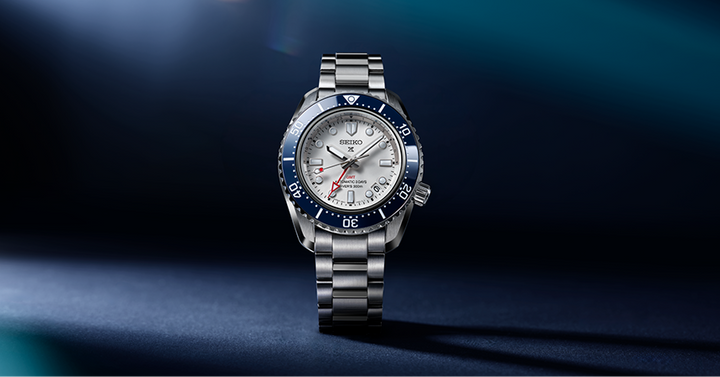
Few names in horology carry as much weight, or as much goodwill, as Seiko. It is a company that invented the quartz wristwatch, perfected a new kind of movement, and still sells a respectable automatic for the price of a nice dinner for two. Understanding Seiko means understanding a rare balance: technical ambition on one side, everyday affordability on the other.
Origins in Tokyo
The story begins in 1881, when Kintaro Hattori opened a small shop in Tokyo selling and repairing clocks and watches. He named his company Seikosha, roughly translating to "house of exquisite workmanship." The word "seiko" itself carries connotations of precision and success, which turned out to be fitting.
Hattori moved from retail into manufacturing, producing wall clocks in 1892 and pocket watches soon after. In 1913, Seiko made Japan's first wristwatch, the Laurel. A devastating earthquake in 1923 destroyed the factory, but the company rebuilt and kept growing, setting the pattern of resilience that defines its history.
The Quartz Revolution
Seiko's most consequential moment arrived on Christmas Day 1969, when it launched the Quartz Astron. It was the first commercially sold quartz wristwatch, accurate to within about five seconds a month, and it was expensive enough to cost as much as a small car in Japan at the time. Within a decade, quartz technology had upended the Swiss watch industry in what became known as the quartz crisis.
Rather than choosing sides, Seiko kept making both. That decision shaped the brand. While quartz brought precision to the masses, Seiko continued refining mechanical watches, ensuring that craftsmanship did not disappear.
Vertical Integration
One reason Seiko punches above its weight is how much it builds in-house. Movements, dials, hairsprings, and even some specialized alloys and lubricants come from within the company's own facilities. Few brands can match that at any price, and it gives Seiko control over quality and cost in a way that outsourcing rarely allows.
This philosophy also explains the breadth of the catalogue. Because Seiko makes so much itself, it can offer everything from a modest quartz field watch to a hand-finished luxury piece without relying on outside suppliers.
Understanding the Families
Seiko's range can look bewildering, but it sorts into a few clear groups.
Seiko 5 Sports is the classic gateway. These automatics, typically priced from a few hundred dollars, offer a day-date window, sturdy cases, and styles ranging from military field watches to retro divers. They are easy to live with and forgiving of everyday use.
Prospex covers tool watches for divers, pilots, and adventurers. Models like the "Turtle" and "Samurai" have devoted followings, and 200-metre water resistance is common. The line also includes the Speedtimer chronographs, which revive designs from the 1960s and 70s.
Presage leans toward elegance. Enamel dials, layered textures inspired by Japanese arts, and open-heart windows make these automatics popular as dress watches.
Astron carries the original name into the modern era. These GPS solar watches set the time automatically as you cross time zones, and they suit frequent travellers.
King Seiko and Lord Marvel are heritage names revived for retro-styled releases, echoing the sharp-edged design language of the 1960s.
Spring Drive and Grand Seiko
Spring Drive is Seiko's most distinctive invention. It uses a mechanical mainspring to power the watch, like a traditional automatic, but regulates it electronically rather than through a balance wheel and escapement. The result is a seconds hand that glides in a continuous sweep, plus accuracy far better than most mechanical movements. It took decades of development, and it remains unique to Seiko Watch.
Spring Drive is a hallmark of Grand Seiko, the brand's luxury arm. Grand Seiko watches are known for their "Zaratsu" polishing, which gives cases sharp, distortion-free reflections, and for dials inspired by Japan's landscapes, including snow, forests, and cherry blossoms. Now established as a separate brand, Grand Seiko competes directly with well-known Swiss names, often at lower prices for comparable finishing.
The Enthusiast Community
Seiko has one of the most active fan communities in watches. Part of that comes from modifying: the "Seiko mod" scene involves swapping dials, hands, bezels, and crystals to build a personalized watch from standard parts. The legendary SKX007 diver, discontinued in 2019, remains a favourite for this, and its successors continue the tradition.
Collectors also chase vintage pieces, such as the 6139 chronograph that flew on Skylab, or the 62MAS, often described as Japan's first true dive watch. Because so many Seiko models are affordable, collecting can start small and grow naturally.
Buying Tips
Start with how you live. A dive watch handles water and abuse, a Presage suits an office, and a solar model asks almost nothing of you.
Check size carefully. Seiko cases vary, and lug-to-lug length matters as much as diameter. Try on watches when possible.
Buy from authorized dealers. Warranty coverage usually depends on it, and counterfeits do circulate. A price that seems too good is often a warning.
Plan for maintenance. Automatics need servicing every several years, while quartz and solar models are more forgiving. Rinse dive watches after saltwater and keep watches away from strong magnets.
Why Seiko Endures
Seiko has lasted because it respects both ends of the market. It gives newcomers an honest, well-made watch at an accessible price, and it gives enthusiasts real depth, from the tinkerer's mod culture to the refined art of Grand Seiko. Few brands have invented as much, and fewer still have stayed so approachable.
Whether you are buying your first automatic or your fifth watch, Seiko rewards curiosity. There is almost always something new to learn, and a model that fits your budget and taste. That combination of substance and accessibility is what has kept the name strong for more than 140 years.

