


How DeVere Truck Beds Builds Work Truck Bodies Around Customer Requirements
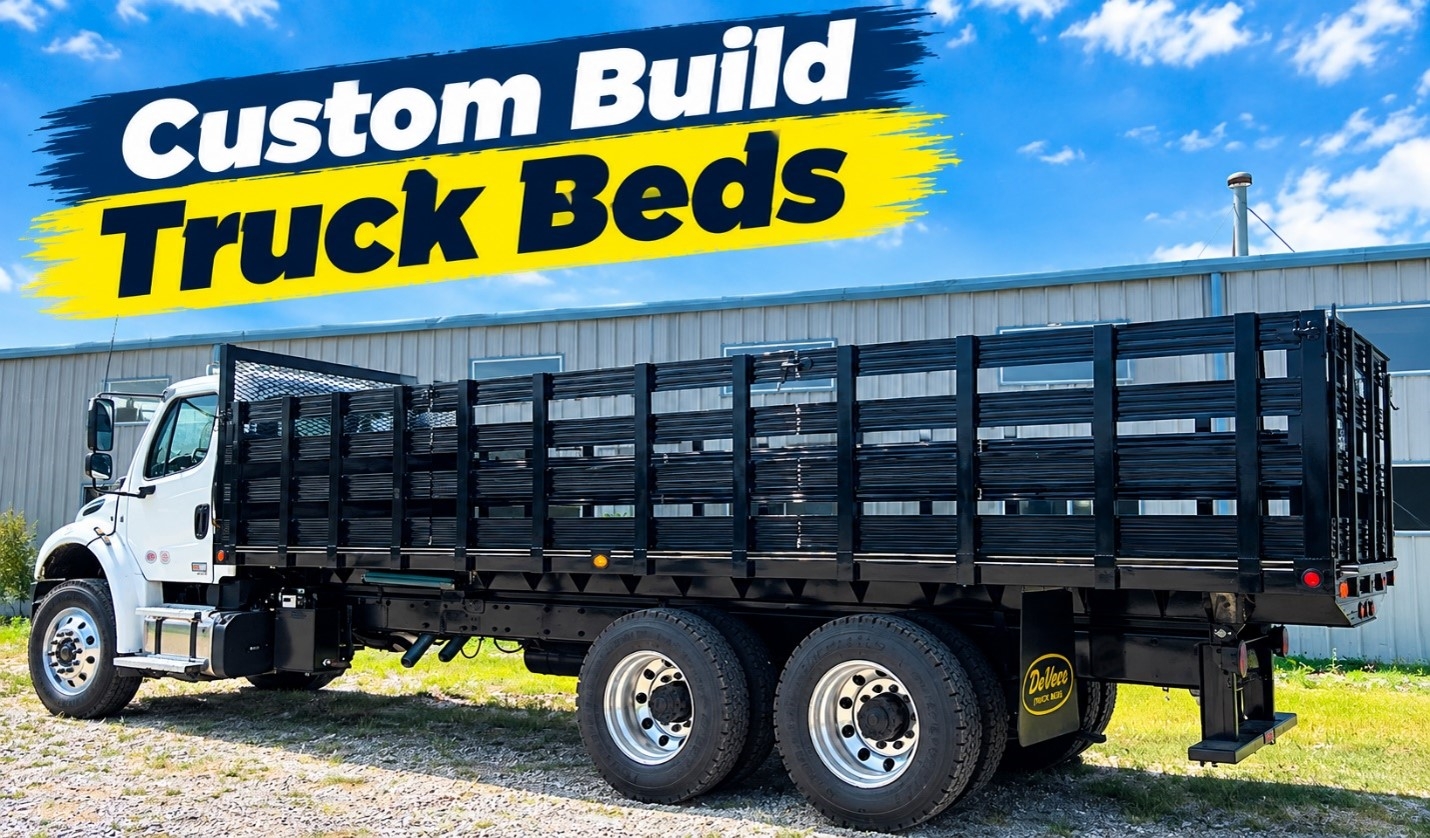
A work truck body has to make sense for the work being done with it. That sounds obvious, but it is easy to lose sight of when standard designs are treated as the starting point for every application. A truck carrying equipment, materials, or oversized loads may need a very different configuration from one built around another type of daily work.
At DeVere Truck Beds, the process begins by understanding what the customer actually needs from the truck, then carrying those requirements into the design and manufacturing process. That is the thinking behind Custom Build Truck Beds.
Starting With the Job, not a Standard Design
The first part of a custom build is not fabrication. It is understanding the job.
When a customer approaches DeVere Truck Beds for a custom bed, the company takes the time to understand the task and the specific requirements associated with it. That information matters because the finished body needs to serve a purpose beyond simply covering the chassis.
A customer may need an open bed for materials and oversized equipment, a utility configuration for tools and work gear, or a dump body with a particular access arrangement. These are different requirements, and treating them as though they are interchangeable usually leads to unnecessary compromises.
DeVere Truck Beds customer-driven approach starts with the work itself and uses that information to establish the direction of the build.
Taking the Requirements into Engineering
Once the requirements are understood, they move into the engineering side of the process. This is where the customer's description of the work becomes an actual truck-bed design.
DeVere Truck Beds has an in-house engineering team, and the information gathered from the customer is used to develop a solution suited to those needs. The point is not to add customization simply for the sake of having a different-looking truck. The point is to make decisions that relate directly to the intended application.
That distinction is important in manufacturing. A custom body should be the result of a considered design process, not a standard body with a handful of changes added afterward.
Building Flatbeds Around Practical Use
Flatbeds are one of DeVere Truck Beds core custom work truck products, and their open design makes them useful when a truck needs flexibility for hauling materials, equipment, or oversized loads. An open layout can make a significant difference when the items being transported do not fit neatly into a conventional enclosed body. The dimensions and available features can therefore be considered according to the intended work rather than selected from a generic configuration.
DeVere Truck Beds manufactures several flatbed configurations, including skirted flatbeds and medium-duty models, with options such as storage, lighting, forklift mounts, winch tie-downs, and city slat sides available for appropriate applications.
The important part is that these features remain connected to the larger purpose of the build. The bed is being developed as work equipment, not simply as an empty platform.
Utility Beds for Equipment and Work Gear
Utility beds present a different set of requirements. A truck that regularly carries tools, equipment, and materials needs a body that supports access and organization throughout the working day.
This is where a custom approach has practical value. Instead of assuming that every work truck needs the same arrangement, the manufacturer can begin with the customer's requirements and develop the body accordingly.
At DeVere Truck Beds, utility beds sit within the same broader manufacturing philosophy as its other custom bodies. The goal is to produce equipment that fits the work rather than asking the work to fit a predetermined design.
Developing Dump Bodies Around the Application
Dump bodies are another important part of DeVere Truck Beds work truck manufacturing capabilities. Their configuration can vary according to what the customer needs from the finished truck.
DeVere Truck Beds dump-bed offerings include different rear-access arrangements, including barn doors, a tailgate and spreader combination, and side door access. These options allow the configuration to be considered during the build instead of treating rear access as an afterthought.
The company also produces dump flatbeds with different hoist capacities and tailgate/spreader rear configurations. That gives customers another way to develop a body around the requirements of the truck and its intended application.
Matching the Body to the Truck
Custom manufacturing also means considering the vehicle itself. The body has to correspond with the truck it will be built for, which is why vehicle information is part of DeVere Truck Beds estimate process.
The company requests details such as the vehicle year, make, model, rear-axle configuration, flatbed length, and desired features when customers request an estimate. Those details provide the information needed to understand the truck before the body configuration is finalized.
This is a straightforward but important part of the process. The body is not designed in isolation. The truck, its requirements, and its intended use all belong in the same conversation.
Manufacturing With the End Application in Mind
There is a difference between having several products available and actually manufacturing a custom work truck body. The latter requires the manufacturer to understand why a particular configuration is needed and then carry that requirement through engineering and fabrication.
That is the approach DeVere Truck Beds has developed over decades of manufacturing experience. The company was originally established as Economy Manufacturing in Sedan, Kansas, and its history includes producing custom work truck beds as well as landscape and dump bodies.
Today, DeVere Truck Beds continues to focus on work truck bodies designed around customer requirements, with the same basic principle guiding different types of builds.
Why a Customer-Driven Build Matters
The value of a custom truck bed is not simply that it can be made differently from a standard product. Its value comes from making the difference useful.
A flatbed may need an open layout for oversized loads. A utility bed may need a practical arrangement for equipment and tools. A dump body may require a specific rear configuration or access option. These differences are precisely why a manufacturer needs to understand the application before building the body.
DeVere Truck Beds approaches custom manufacturing from that direction. The company takes the customer's requirements, passes them into engineering, and develops a work truck body intended to fit the job rather than forcing the job into a standard configuration.
Conclusion
A properly designed work truck body starts long before the first piece of steel is fabricated. It starts with understanding the truck, the work, the materials or equipment involved, and the practical requirements that the finished body needs to address.
DeVere Truck Beds brings those considerations together across its custom flatbeds, utility beds, and dump bodies, using a customer-driven manufacturing process to develop work truck equipment around specific applications. Whether the requirement involves an open hauling layout, organized work equipment, or a specialized dump configuration, the finished body should have a clear reason behind its design. That same principle applies when considering Tailgate Spreader Dump Beds in Denver, where the configuration needs to reflect the truck and the work it is built to perform.

