


Rct Milling Cutter for Wood Buying Tips for Practical Applications
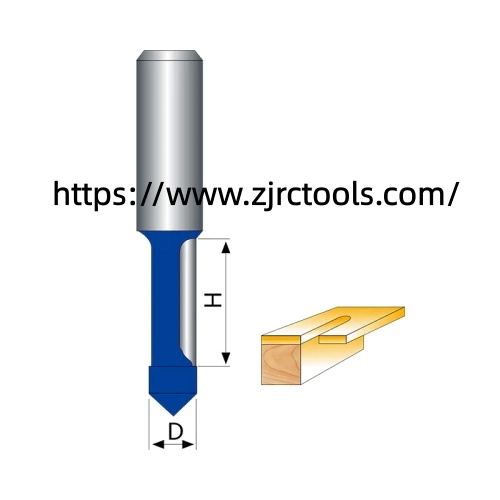
Milling Cutter for Wood selection deserves careful attention because different woodworking tasks place different demands on tooling. Buyers need to look beyond appearance and price and examine how a product matches the material, machine, cutting depth, production schedule, and expected surface finish. A suitable choice can help maintain stable processing while reducing avoidable tool changes and quality problems. For manufacturers and distributors, these factors also influence purchasing consistency, inventory planning, and customer satisfaction. Material should be one of the first considerations. Solid timber, plywood, MDF, particleboard, and laminated panels do not behave in exactly the same way during machining. Dense hardwood may require a sharp and rigid cutting edge, while engineered panels can create fine abrasive dust that places additional demands on the tool. Veneered boards may also require a configuration that helps reduce surface damage. Before placing an order, buyers should clearly identify the materials that will be processed and communicate those details to the supplier. Tool geometry is another important point. Straight, spiral, compression, and profile configurations are designed for different operations. A straight design can be suitable for grooves and recesses, while spiral geometry can help with chip evacuation during controlled machine processing. Compression configurations can be useful when both upper and lower surfaces need careful treatment on panel materials. The required profile should therefore be connected directly to the intended operation rather than selected only according to appearance. Dimensions also deserve careful checking. Diameter, cutting length, overall length, and shank size need to correspond with the machine and the planned operation. A mismatch may affect stability, available cutting depth, or installation. Buyers should check the machine collet or holder before ordering and confirm that the selected specification fits the equipment already used in the workshop. For repeated production, keeping several commonly used sizes can also simplify tool replacement and purchasing management. Flute arrangement can influence chip removal, heat generation, and surface condition. More flutes do not automatically mean a better result for every application. The right configuration depends on material, machine capability, feed rate, spindle speed, and cutting depth. Buyers working with CNC equipment should pay particular attention to the relationship between these parameters. A supplier that can provide clear dimensional information and recommended operating ranges can make the purchasing process easier. Cutting depth should also be considered before selecting a product. Deep passes can place greater demands on rigidity and chip evacuation, while shallow finishing operations may require a different geometry. Rather than assuming one specification can handle every task, buyers can separate roughing, profiling, grooving, and finishing requirements. This approach helps create a more practical tooling plan and makes it easier to compare different product configurations. Machine compatibility is equally important. Handheld routers, router tables, and CNC machines can have different requirements for shank size, operating speed, tool length, and holding systems. Machine rigidity should also be considered because vibration can affect edge quality and tool stability. Before purchasing, buyers should provide the supplier with machine information, spindle specifications, and the intended application. This allows the product configuration to be evaluated against actual working conditions. Quality control during purchasing should include dimensional consistency, edge condition, brazing or construction details where applicable, and packaging protection. For B2B buyers, supplier communication is also important. Clear product specifications, available sizes, sample support, production capacity, and response to customized requirements can all affect procurement efficiency. Keeping these points in the purchasing checklist can reduce misunderstandings between buyers and manufacturers. Cost should not be judged only by the initial unit price. Buyers can also consider usable cutting time, replacement frequency, resharpening possibilities, production downtime, and inventory requirements. A tool with a reasonable purchase price may become less practical if frequent replacement interrupts production. Comparing the complete operating cost provides a more useful picture for workshops and distributors. Testing before larger orders is a practical step. A small sample run can reveal whether the selected configuration works well with the intended material and machine settings. Buyers can inspect edge condition, surface finish, vibration, heat marks, chip evacuation, and dimensional results. The test information can then be used to adjust the specification before moving into regular purchasing. For buyers looking for a supplier that can support different woodworking applications, Rct provides tooling options designed around practical machining requirements and product specifications. Discussing material, machine type, dimensions, and intended use with the supplier can help narrow the configuration more efficiently. Buyers can review the available product range at https://www.zjrctools.com/product/ and connect the selection with their actual processing needs. This makes the purchasing decision part of a practical production plan rather than a simple comparison based on price alone.

