


Calf Pain: Causes, Types and Treatments
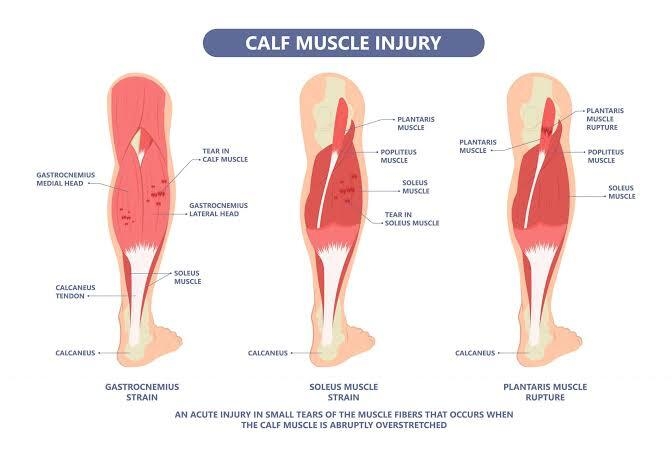
Calf pain is a common problem that can affect people of all ages. It may feel like a dull ache, tightness, cramping, burning, or sharp discomfort in the back of the lower leg. Sometimes, calf pain develops after exercise or prolonged standing, while in other cases, it may indicate a nerve problem, circulation issue, or underlying medical condition.
Understanding the possible causes of calf pain can help you recognise when home care may be sufficient and when professional medical attention is necessary.
At Neurology and Pain Management Clinic (NPMC), Dr. Gautam Arora, Neurologist in Delhi, patients can seek assessment for nerve-related pain and other neurological concerns.
Common Causes of Calf Pain
Several conditions can cause discomfort in the calf muscles and surrounding tissues.
1. Muscle Strain and Overuse
Running, jumping, climbing stairs, or suddenly increasing exercise intensity can strain the calf muscles. This often causes tenderness, stiffness, and pain that worsens when walking or standing on the toes.
2. Muscle Cramps
Calf cramps are sudden, involuntary muscle contractions that may occur during exercise or at night. Dehydration, muscle fatigue, certain medications, and underlying health conditions may contribute to cramping.
3. Sciatica and Nerve Compression
Irritation or compression of nerves in the lower back can cause pain that travels through the buttock and down the leg. Tingling, numbness, or weakness may accompany the discomfort.
4. Circulation Problems
Peripheral artery disease can reduce blood flow to the legs, sometimes causing calf pain during walking that improves with rest. Deep vein thrombosis (DVT), a blood clot in a deep vein, can cause calf pain and swelling and requires urgent medical assessment.
5. Tendon or Joint Problems
Achilles tendon injuries and problems involving nearby joints can cause pain that extends into the calf, especially during movement.
Types of Calf Pain
The location and nature of calf pain may provide useful clues about its cause:
-
Sharp pain: May occur with a muscle strain or injury.
-
Cramping pain: Often involves involuntary muscle tightening.
-
Burning or tingling pain: May suggest nerve irritation.
-
Pain during walking: Can result from muscle problems or reduced arterial blood flow.
-
Persistent aching with swelling: Requires assessment, particularly if it affects only one leg.
These patterns are not enough to confirm a diagnosis. A medical examination may be needed to identify the underlying cause.
Treatment Options for Calf Pain
Treatment depends on the cause and severity of symptoms.
-
Rest and activity modification: Reduce activities that worsen pain after a minor muscle strain.
-
Cold packs: Apply a wrapped cold pack for short periods after a recent muscle injury to help reduce discomfort.
-
Gentle stretching: May help with some muscle tightness or cramps, provided it does not worsen pain.
-
Hydration and appropriate exercise: Maintaining adequate fluid intake and gradually increasing activity may help prevent some cramps and overuse injuries.
-
Medical treatment: Persistent pain, nerve symptoms, or circulation problems may require specific medication, physiotherapy, investigations, or specialist care.
Avoid massaging a painful, swollen calf when a blood clot is suspected. Seek urgent medical evaluation instead.
When Should You Seek Medical Attention?
Get urgent medical help for sudden calf swelling, warmth, redness, or unexplained pain, particularly in one leg. If these symptoms occur with chest pain, shortness of breath, or coughing up blood, call emergency services immediately. Severe pain with a cold, pale foot or new weakness also requires urgent assessment.
Expert Guidance at NPMC, Delhi
Calf pain should not always be dismissed as ordinary muscle fatigue. Identifying its cause is important for choosing appropriate treatment and preventing complications.
At Neurology and Pain Management Clinic (NPMC), Dr. Gautam Arora, Neurologist in Delhi, patients can seek professional evaluation for nerve-related pain, sciatica, and associated neurological symptoms.
If calf pain keeps returning, affects walking, or occurs with numbness or weakness, consult a qualified medical professional for an accurate assessment and suitable care.

