


Choosing Press Equipment for Reliable and Consistent Production
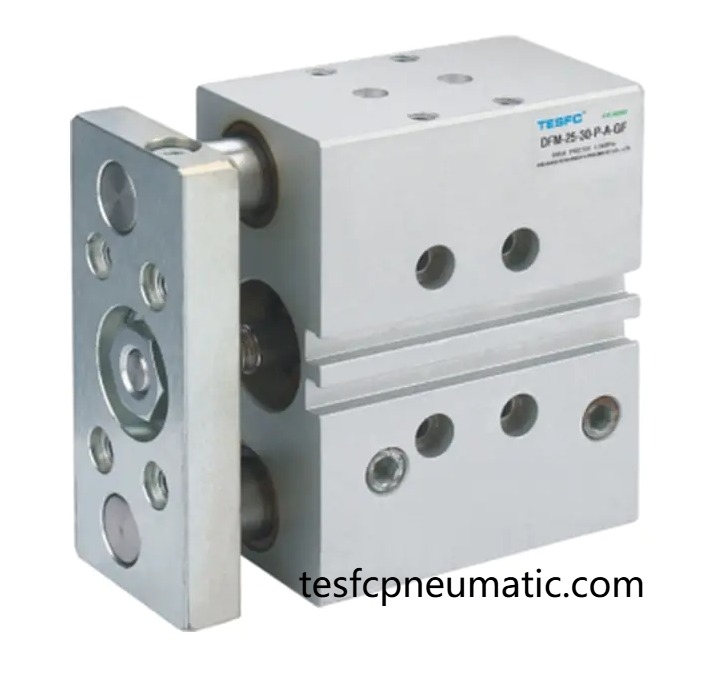
Manufacturing processes often depend on equipment that can apply controlled force while fitting naturally into an established workflow. In assembly, forming, positioning, and other production tasks, a Pneumatic Press can provide a practical approach by using compressed air to drive mechanical movement. Its suitability depends on more than the pressing action itself. Material compatibility, operating conditions, control arrangements, maintenance requirements, and physical design all influence how well the equipment performs within a working environment.
Material selection is an important consideration when evaluating pressing equipment. The frame and structural components need to support repeated operation and maintain stable alignment during use. Depending on the application, manufacturers may use steel or other suitable engineering materials for load-bearing parts, while contact surfaces may require finishes that suit the workpiece and surrounding conditions. Components exposed to friction, movement, or frequent handling should be considered in relation to wear and maintenance. Seals and pneumatic fittings also matter because they help maintain an effective air path and support dependable movement. Choosing appropriate materials throughout the assembly can help businesses manage service needs and protect the consistency of their production process.
A purchasing decision should begin with a clear understanding of the intended task. Buyers need to consider the type of workpiece, the nature of the operation, the required level of control, and how the equipment will connect with existing tools or production stations. A press intended for light assembly may have different priorities from one used for repetitive forming or component insertion. Available workspace, operator access, air-supply conditions, and the frequency of use should also inform the selection process. Rather than focusing on one feature in isolation, businesses can compare equipment according to the complete application. Clear communication with a supplier about workpiece characteristics and operating expectations helps reduce mismatches between the selected machine and its intended role.
The functional design of pneumatic equipment centers on converting compressed air into mechanical movement. Air enters the system through suitable connections and acts on the internal actuator, producing movement that drives the pressing mechanism. Depending on the design, valves and control components regulate the movement and help operators manage the working cycle. The overall result depends on how these elements work together, including the condition of the air supply and the quality of component integration. For automated production lines, control compatibility can be particularly important because the press may need to coordinate with sensors, fixtures, or other equipment. A well-considered arrangement makes the operating sequence easier to understand and supports integration into broader manufacturing processes.
User experience is shaped by the everyday interaction between people and machinery. Controls should be easy to identify, operating steps should be clear, and the work area should allow operators to position and remove components without unnecessary difficulty. Appropriate guarding and safety-related features are also essential considerations, selected according to the machine design and the risks associated with the task. Maintenance access can influence long-term usability as much as the initial operating experience. When routine inspection points, pneumatic connections, and serviceable components are accessible, technicians can identify common issues more efficiently. Training and clear operating procedures further support consistent use, particularly in workplaces where several operators share the same equipment.
Design and appearance also contribute to practical equipment selection. A compact, orderly structure may help the press fit into a crowded workshop, while a clearly arranged control area can make operation more intuitive. The placement of the actuator, working platform, fixtures, and air connections affects how easily the machine can be incorporated into a workstation. A durable exterior finish can support a professional appearance and help protect exposed surfaces in the intended environment. However, visual design should work alongside functional priorities rather than replace them. Equipment that is easy to position, inspect, clean, and maintain can contribute to a more organized production space while accommodating changes in manufacturing needs.
For businesses assessing pneumatic components and related equipment, cooperation with a knowledgeable supplier can help clarify application requirements and component compatibility. Zhejiang Feishengya Pneumatic Components Co., Ltd. works in the pneumatic components field, where dependable connections, suitable control elements, and practical system integration are important to equipment planning. When reviewing a pressing solution, buyers can discuss the intended process, installation environment, maintenance expectations, and the relationship between the press and its supporting pneumatic system. More information about the company and its products is available at https://www.tesfcpneumatic.com/.

