


Discover Modern Solutions for Unwanted Moles
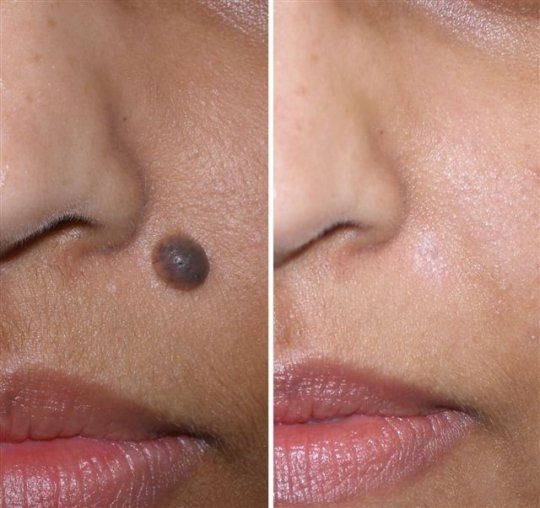
Moles are common skin growths that can appear on the face, neck, arms, back, and other parts of the body. While many moles are harmless, some people may wish to remove them because of their appearance, repeated irritation, or medical concerns. Modern medical techniques offer different approaches to mole removal, allowing treatment to be selected according to the characteristics of each mole.
Mole removal treatment in Islamabad gives patients an opportunity to consult a qualified healthcare professional about suitable options for their skin concerns. Before choosing a procedure, it is important to understand why the mole is being removed, whether further examination is needed, and what results can realistically be expected. A personalized treatment plan prioritizes skin health while addressing the patient's individual goals.
Understanding Unwanted Moles
Moles develop when pigment-producing cells called melanocytes grow in clusters. They can be flat or raised, light brown or dark brown, and may appear during childhood or adulthood. Some remain unchanged for years, while others may gradually change as a person ages.
People may consider removal when a mole is prominent, repeatedly irritated by clothing, or located in an area where it affects their confidence. However, not every mole requires treatment. A healthcare professional can determine whether monitoring, further investigation, or removal is appropriate.
Changes in size, shape, or color, irregular borders, persistent itching, or bleeding should be assessed promptly. A suspicious mole should not be treated as a simple cosmetic concern without appropriate medical evaluation.
Modern Mole Removal Treatment Options
The most suitable technique depends on the mole's size, depth, location, appearance, and clinical assessment. Different methods have specific benefits and limitations.
Surgical Excision
Surgical excision involves removing the mole and, when necessary, a small amount of surrounding tissue. Stitches may be required depending on the wound's size and depth.
This approach may be recommended when complete removal or laboratory examination is important. The removed tissue can be sent for testing when indicated, helping the healthcare professional establish an accurate diagnosis.
Shave Removal
Shave removal involves using a suitable surgical instrument to remove certain raised moles closer to the skin's surface. It may be appropriate for selected lesions following examination.
This technique is not suitable for every mole, and regrowth or visible scarring may occur. The clinician should consider whether the mole needs complete removal or further tissue assessment before recommending this option.
Laser Treatment
Laser technology may be used for certain superficial skin lesions, but it is not suitable for every mole. Some laser procedures can destroy tissue that might otherwise be needed for laboratory examination.
For this reason, suspicious or changing moles require medical assessment before cosmetic treatment. A qualified professional can explain whether laser treatment is appropriate or whether another method would be safer.
The Importance of Professional Skin Assessment
A professional consultation is an essential part of modern mole removal. During the appointment, the clinician examines the mole, asks about its history, and checks for features that may require further investigation.
Patients should mention any recent changes, bleeding, itching, discomfort, or previous treatment. Information about medications, allergies, and a history of raised scars can also help the clinician plan appropriately.
If a mole appears suspicious, the healthcare professional may recommend a biopsy or removal that allows the tissue to be examined under a microscope. Cosmetic goals should never replace the need for a proper diagnosis.
Benefits of Choosing a Personalized Treatment Plan
A personalized approach helps match the procedure to the patient's skin concerns and medical needs. Instead of using the same technique for every mole, a clinician considers the characteristics of the growth and the location of the treatment area.
Potential benefits include:
-
Appropriate method selection: The treatment is chosen according to the mole's characteristics.
-
Better-informed decisions: Patients learn about the available procedures and their limitations.
-
Cosmetic planning: The clinician can discuss likely scarring and changes in skin pigmentation.
-
Structured aftercare: Patients receive guidance on protecting the treated area during healing.
-
Follow-up support: Appointments can help assess recovery and review laboratory results when applicable.
Although professional care can help manage risks, no procedure guarantees perfect or scar-free skin.
Preparing for Mole Removal Treatment
Preparation depends on the recommended technique and the patient's medical history. Before treatment, ask the healthcare professional what the procedure involves, whether local anesthesia will be used, and how long recovery may take.
Follow any instructions regarding skin care and medications. Do not stop prescribed medication unless your clinician advises you to do so. It is also helpful to discuss the expected cost, possible complications, and whether a follow-up appointment will be necessary.
Avoid trying to remove a mole at home with sharp instruments, chemicals, or unregulated products. These approaches may cause infection, injury, scarring, and delays in diagnosing potentially serious skin conditions.
Recovery and Aftercare for Healthy Skin
After mole removal, the treated area may feel tender and appear red or slightly swollen. Depending on the technique, a dressing or stitches may be required. Healing time varies according to the procedure, the size and location of the mole, and individual skin response.
To support recovery, follow the clinician's wound-care instructions, keep the area clean as directed, and avoid picking or scratching the healing skin. Use only recommended creams or ointments and protect the area from excessive sun exposure.
Contact your healthcare professional if you experience increasing pain, spreading redness, pus, fever, or bleeding that does not stop with the recommended measures. Attend follow-up appointments and ask how laboratory results will be communicated if the tissue was tested.
Choosing Mole Removal Treatment in Islamabad
When considering Mole removal treatment in Islamabad, choose a qualified healthcare professional who examines the mole before recommending a procedure. Ask about the provider's qualifications, suitable techniques, potential scarring, recovery requirements, and whether tissue testing may be necessary.
A reliable provider will explain the advantages and limitations of each option without promising guaranteed results. The best treatment plan should reflect your skin's needs, your medical circumstances, and your expectations.
Conclusion
Modern mole removal solutions offer different approaches for addressing selected moles that cause cosmetic concerns, irritation, or medical uncertainty. Surgical excision, shave removal, and other techniques may be considered depending on the clinical assessment.
The most important step is choosing a qualified professional who prioritizes diagnosis, appropriate treatment, and aftercare. With clear information and realistic expectations, patients can make informed decisions about their skin health and possible mole removal.
Frequently Asked Questions
1. What are the modern methods of mole removal?
Common methods include surgical excision and shave removal. Other approaches may be suitable for selected skin lesions. The correct method depends on the mole's characteristics and whether laboratory examination is needed.
2. Is mole removal suitable for everyone?
Not every mole needs removal, and not every procedure is suitable for every patient. A healthcare professional should examine the mole and review relevant medical history before recommending treatment.
3. Can modern mole removal methods prevent scarring?
No method can guarantee scar-free results. Scarring and pigmentation changes depend on the mole's depth and location, the technique used, and individual healing.
4. Where can I discuss Mole removal treatment in Islamabad?
Consult a qualified healthcare professional who can examine your mole, explain appropriate treatment options, discuss risks and recovery, and provide follow-up care when needed.
For more information visit Enfield royal clinic in islamabad

