


Auditorium Consultancy Services for Better Venue Design
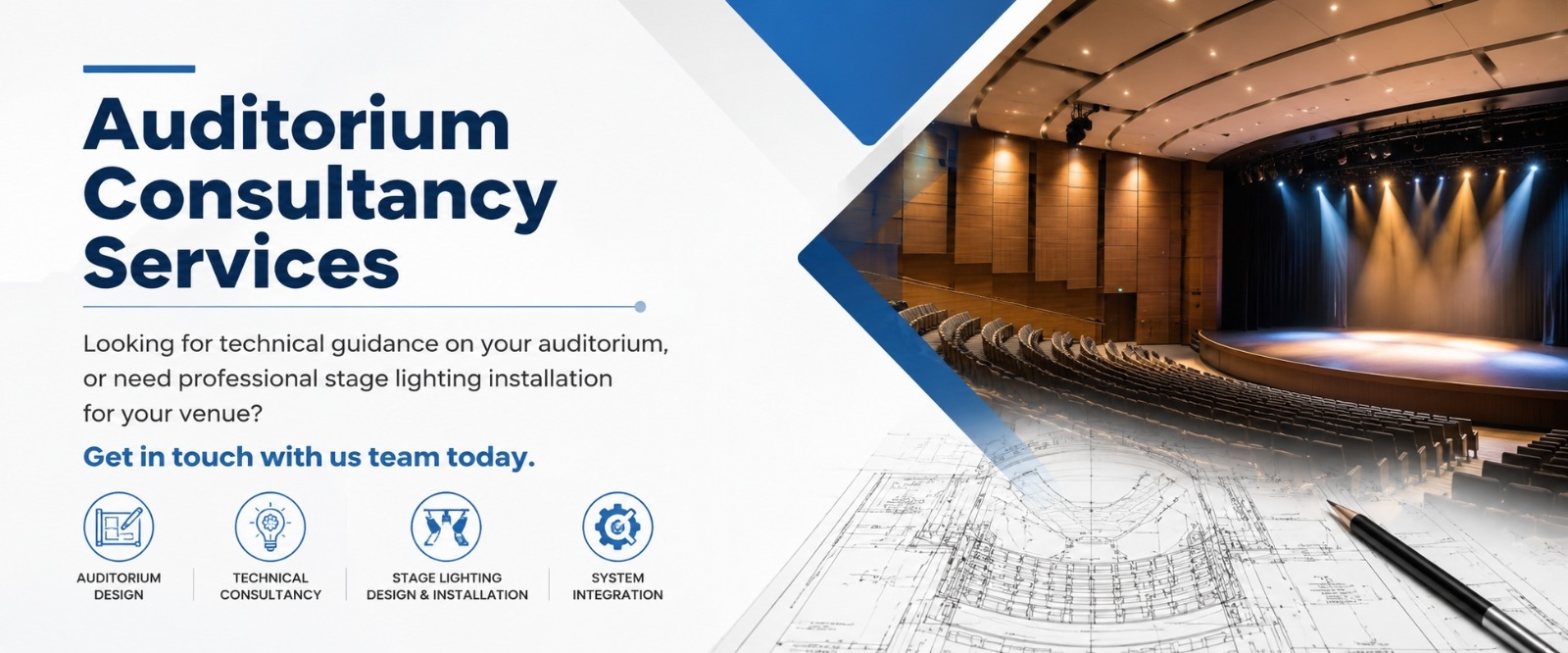
Auditorium Consultancy Services for Better Planning and Performance
Auditorium Consultancy Services help organisations plan spaces where sound is clear, seats are comfortable, lighting works well and events run smoothly. Many people think an auditorium is just a big room with a stage. In practice, it is a carefully balanced space where design, sound, light and people all affect each other. Decisions made before construction or renovation often decide how the venue performs for the next twenty years.
Schools, colleges, universities, corporate offices, cultural centres and event venues all have different needs. A school hall needs to handle assemblies and annual day programmes. A company needs clear presentations and conferences. A theatre needs strong stage lighting and good sound for music. Planning early helps each space work the way its users expect.
What Are Auditorium Consultancy Services
Auditorium consultancy means getting professional guidance on how a hall should be designed, equipped and set up. Instead of guessing, you work from a plan built around your room, your events and your budget. You can learn more about this kind of planning through Auditorium Consultancy Services and the areas they cover.
Good auditorium design needs more than buying speakers and stage lights. A consultant looks at the whole picture:
- How the space is arranged
- How sound behaves inside the room
- Which equipment suits the venue
- Where lights and cables should go
- How the installation will be coordinated
No two venues are the same. A plan should reflect the size of the hall, its purpose, the expected audience and the money available.
Why Proper Auditorium Planning Matters
Planning should start before major construction or renovation begins. Once walls are built and ceilings are closed, changes become costly and difficult. Early planning lets everyone agree on room dimensions, seating capacity, speaker positions, lighting equipment, cable routes and control systems while those things are still easy to adjust.
Think about the events a hall might host. A school assembly needs every child to hear the principal. A corporate presentation needs screens everyone can see. A theatre performance needs lighting that follows the action. A cultural programme or public event may need all of these at once.
When these needs are considered early, practical problems show up on paper instead of on the day of the event. That said, no plan can promise perfect results. Good planning simply reduces avoidable mistakes.
Space Planning and Audience Comfort
The layout of an auditorium shapes how the audience feels. People who can see and hear well stay engaged. People who strain to see the stage or struggle to hear lose interest quickly.
Seating Layout and Sightlines
Seating plans should consider row spacing, the width of aisles, how easily people can move in and out, and clear views of the stage. A tall pillar or a poorly placed railing can ruin the view for several seats. Sloped floors or raised rows often help audiences see over the heads in front of them.
Everyone should be able to see the stage without effort. It sounds simple, but it is one of the most common problems in older halls.
Stage and Control Room Positioning
The stage and control room should be placed with the whole venue in mind. Technicians need easy access to equipment, and they need a clear view or monitor feed of the stage. A control position tucked in a bad corner makes it harder to run sound and lights properly. Event managers also need space to move quietly during programmes.
Planning for Different Venue Sizes
A school auditorium differs a great deal from a large conference hall or a performing arts venue. A small hall may only need simple sound and basic lighting. A large venue may need several speaker zones, a larger control desk and layered lighting. Room size, audience capacity and planned use should guide each decision.
Acoustic Assessment for Clear Sound
Acoustics decide whether people understand what they hear. A beautiful hall with poor acoustics will frustrate speakers, performers and audiences.
Several things matter here: sound reflection, echo, sound absorption, background noise and speech clarity. Room shape, ceiling height, wall materials, flooring and even the seats can change how sound travels. Hard, bare surfaces bounce sound around, while soft materials absorb it. A good balance gives clear speech and pleasant music.
Acoustic Treatment
Acoustic treatment may include wall panels, ceiling treatments or other absorbing materials. The right choice depends on the room. A lecture hall focused on speech needs different treatment from a hall used mainly for concerts. Adding panels without understanding the room can waste money and even make sound worse.
Speaker Placement
Speakers should be placed to match the seating layout so that sound reaches every part of the audience. Seats near the front should not be blasted with noise while seats at the back hear very little. Even coverage across the room is the goal.
Testing Sound Quality
After installation, the sound system should be tested properly. Check sound levels, speaker direction, and the clarity of both speech and music. Walk through different seating areas, because a system that sounds great in the middle may sound muddy in the corners.
Audio Visual Equipment Selection
Modern auditoriums depend on a mix of equipment: microphones, speakers, amplifiers, mixing consoles, projection screens, displays and control equipment. Each item plays a part in how the audience experiences an event.
Choosing Equipment According to Venue Requirements
The right equipment depends on venue size, expected audience, event type and budget. A small seminar room does not need the same setup as a thousand-seat hall. Buying the most expensive gear is not always the smartest choice.
Equipment Integration
Sound, video, lighting and control systems should work together. Compatibility matters, and so do tidy cable routes and simple operation. If the system is too complicated, staff may avoid using its features or make mistakes during events.
Choose equipment based on practical needs, not just brand names. A well-matched system from a lesser-known maker often beats a famous product that does not fit the room.
Stage Lighting Installation and Design
Stage lighting should match the events the venue will host. Speakers at a conference need to be clearly visible. Theatre programmes and cultural performances need mood, colour and focus. A hall that does several jobs needs flexible lighting.
Lighting Layout
A lighting plan often combines wash lights for even coverage, spotlights for focus, and effect lighting where it suits the programme. Direction, brightness and stage coverage all need thought. Poor angles can cast harsh shadows on faces or leave parts of the stage dark.
Lighting Control Systems
A suitable control system lets technicians change lighting for different scenes and events quickly. With saved settings, a team can switch from a lecture to a dance performance without rebuilding the lighting each time.
Testing and Fine Tuning
Lighting angles, brightness and colour settings should be tested before the venue is used. Small changes in angle can make a big difference to how a performer looks.
Safe Installation and Rigging
Stage lighting equipment must be installed with suitable mounting methods and safe working procedures. Lights hang above people, so secure fixing is not optional.
Final Checks Before an Event
Before every event, check the sound, lights, cables, controls and other equipment. A short checklist run an hour before doors open can prevent embarrassing problems in front of the audience.
Installation Supervision and Project Coordination
A good design only works if the installation follows it. Many projects involve designers, installers, electrical teams, lighting technicians and audio visual specialists. If they do not communicate well, small gaps can grow into expensive problems.
Someone should check equipment placement, cable routes, control systems and the quality of the work as it goes on. Clear communication helps catch issues before the project is finished, when fixing them is still simple.
Auditorium Consultancy for Different Industries
Auditorium needs change with the type of organisation.
Schools and Colleges
Assemblies, lectures, seminars, performances and educational presentations are common. Speech clarity and flexible use matter most.
Universities and Training Institutions
Lectures, academic events, conferences and multimedia presentations call for good displays, reliable microphones and easy recording or streaming options.
Corporate Organisations
Business presentations, staff training, product launches, conferences and meetings need clean visuals, clear audio and simple controls that non-technical staff can use.
Cultural Centres and Performance Venues
Theatre performances, music programmes, dance shows and community events need stronger lighting design and well-planned sound.
Government and Public Institutions
Public meetings, conferences, official events and educational programmes need clear speech, accessible seating and dependable equipment.
Whatever the venue, the layout and technical plan should be based on how the space will actually be used.
How to Choose the Right Auditorium Consultant
Choosing the right partner makes a real difference. Providers of Auditorium Consultancy Services vary in approach, so it helps to know what to look for.
Understand the Project Requirements
Before talking to anyone, be clear about your expected audience size, venue dimensions, intended use, technical needs and budget. This makes every conversation more productive.
Review Planning and Design Capabilities
Ask to see technical drawings, equipment layouts and practical recommendations. These show how a consultant thinks and whether their plans are realistic.
Ask About Installation Coordination
Find out how installation, testing and communication will be handled, because good coordination keeps the project on track.
Consider Future Maintenance
Ask whether you will receive equipment manuals, maintenance information and training for your staff. Having these after installation makes daily operation much easier. Always check qualifications and past work yourself rather than taking claims at face value.
Common Mistakes to Avoid During Auditorium Planning
Some mistakes appear again and again:
- Choosing equipment before understanding the room. The room should lead the decision, not the product catalogue.
- Selecting unsuitable lighting. Lights that suit a disco may not suit a lecture.
- Overlooking acoustics. Fixing echo after construction is harder and costlier.
- Poor cable planning. Messy or badly placed cables cause faults and safety risks.
- Failing to coordinate installation work. Teams working separately often clash.
Each of these should be dealt with early. Finally, always test the completed system before regular use, so problems are found during a trial and not during a big event.
Frequently Asked Questions
What Do Auditorium Consultancy Services Include
They commonly include space planning, acoustic assessment, technical design, equipment selection and guidance during installation.
Why Are Acoustics Important in an Auditorium
Acoustics affect how clearly people hear speech and music. Poor acoustics make presentations hard to follow and performances less enjoyable.
What Equipment Is Needed for an Auditorium
It depends on venue size, intended use and technical needs. A basic hall may need microphones, speakers and a projector, while a larger venue may need much more.
Why Is Stage Lighting Planning Important
Suitable lighting keeps performers, speakers and presentations clearly visible to the audience, and it sets the right mood for each event.
When Should Auditorium Planning Begin
As early as possible, ideally before construction or renovation. Early planning lets you coordinate room layout, acoustics, lighting, wiring, seating and audio visual equipment.
Final Thoughts
A good auditorium is the result of careful planning. Acoustics, audio visual equipment, lighting, seating and installation all need to work together, and each venue should be planned around its purpose, audience size, room design and budget. Thoughtful Auditorium Consultancy Services can help you think through these choices before money is spent. If you are building or renovating a hall, start planning early. A little time spent at the beginning can save a lot of trouble later and give your audience a better experience.

