


A Practical Guide to Selecting Ribbon Cables for Electronic Devices
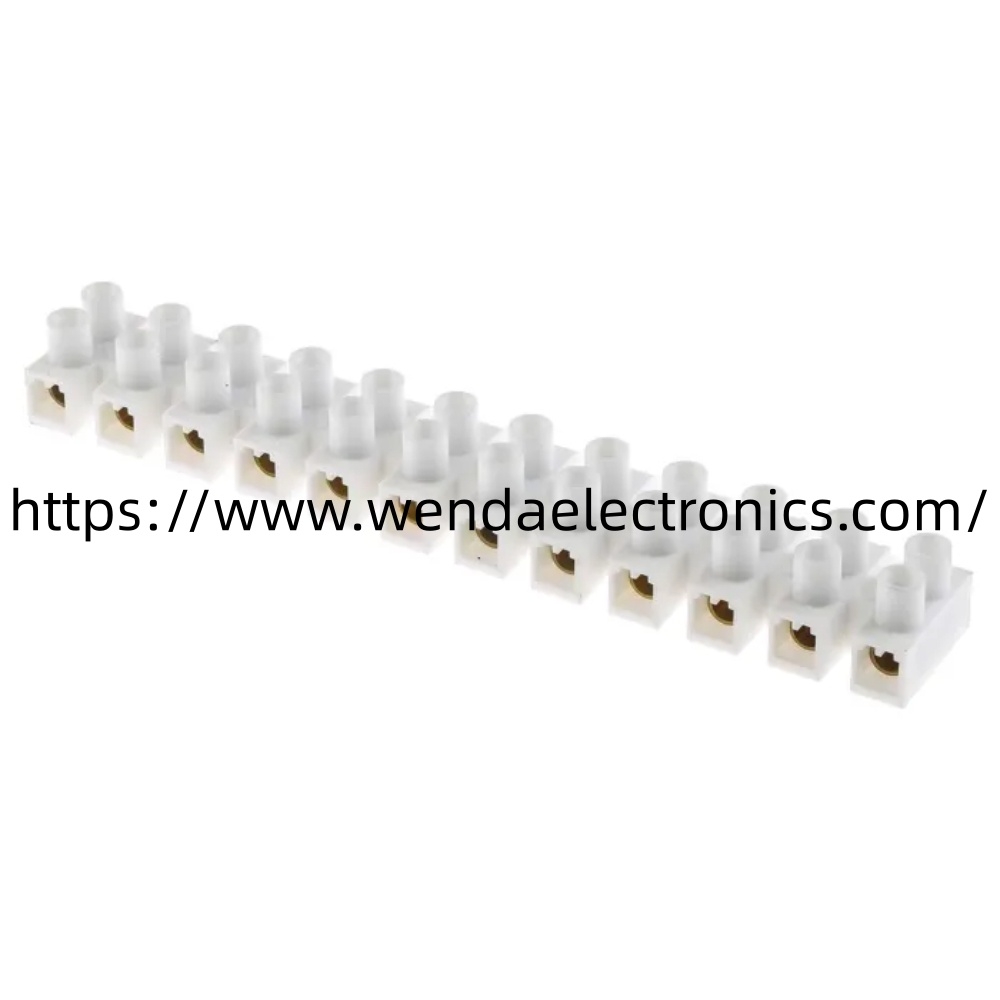
Inside many electronic products, the arrangement of electrical connections influences how efficiently components fit together and how easily the finished device can be assembled. An FFC Ribbon Cable provides a flat, flexible connection format that can support compact layouts in products such as control panels, display assemblies, office equipment, and other electronic devices. Its suitability depends on the relationship between conductor materials, insulating layers, contact design, routing space, and the requirements of the complete assembly.
Conductive materials form the electrical path within a flexible flat cable. Copper is commonly used because of its electrical conductivity and suitability for forming thin, flexible conductors. The conductor arrangement needs to support the intended connection while remaining compatible with the cable's bending and installation conditions. Material quality and consistency can influence electrical continuity, while the way conductors are positioned affects how the cable connects with the corresponding terminals.
Insulation is another essential part of cable construction. Flexible polymer films can separate adjacent conductors and protect the conductive paths from unintended contact. The insulating material should suit the device's operating environment, assembly process, and expected handling conditions. Its flexibility, surface condition, and bonding characteristics can influence how the cable behaves when routed through a compact enclosure or positioned between internal components.
The relationship between the conductive layer and insulation also deserves attention. In a flat cable, these layers must remain aligned and securely integrated throughout normal use. Poorly controlled bonding or uneven material placement can create difficulties during assembly and may affect the consistency of the finished product. Manufacturers therefore need to coordinate material selection and processing methods rather than treating the conductor and insulating film as unrelated elements.
Choosing a suitable cable begins with understanding the device in which it will be installed. Buyers should identify the connected components, the direction of the connection, the available routing space, and the way the cable will be secured. A cable intended for a stationary internal connection may face different demands from one that moves repeatedly as part of a folding or sliding mechanism. Considering the complete application helps prevent a mismatch between cable construction and actual use.
Connector compatibility is a particularly important purchasing consideration. The exposed contact area must align with the corresponding connector and provide a suitable electrical interface. Contact arrangement, insertion direction, retention method, and access for installation should all be reviewed during product development. A cable may be suitable in terms of material and flexibility yet still be inappropriate if its contact layout does not match the receiving component.
Manufacturing processes influence the consistency of flexible cable products. Production may involve conductor preparation, lamination, cutting, contact exposure, surface finishing, and inspection. Each stage must preserve the intended relationship between conductive paths and insulating layers. Clean cutting and controlled contact preparation can support easier assembly, while careful handling during production helps prevent creasing, contamination, or damage to delicate surfaces.
Functional performance depends on the complete connection system rather than the cable alone. The cable, connector, receiving contacts, mounting arrangement, and surrounding enclosure all influence the finished connection. Electrical continuity, contact stability, insulation integrity, and resistance to handling damage are therefore relevant considerations during product evaluation. Where an application has particular environmental or safety requirements, buyers should confirm that the selected cable assembly has been assessed appropriately for those conditions.
Flexibility is one of the defining practical advantages of flat cable construction, but it should not be interpreted as unlimited resistance to bending. Tight folds, repeated movement, pulling, or pressure from nearby parts can place stress on the conductors and insulating layers. Designers should consider the natural routing path, the locations where the cable is secured, and the possibility of contact with sharp edges. Allowing suitable space for the cable to move or settle can help reduce unnecessary strain.
User experience in electronic manufacturing is often reflected in how easily a product can be assembled and serviced. A flat cable can help organize internal connections where bulky wiring would make component placement more difficult. Its shape may also allow a clearer routing path through narrow spaces. For assembly technicians, predictable cable placement and accessible contact areas can simplify installation, while clear handling guidance can reduce accidental damage during production or maintenance.
Maintenance requirements should also influence product selection. A cable installed inside a sealed device may be difficult to access after final assembly, making initial inspection and correct placement especially important. In serviceable equipment, designers may need to consider how technicians can disconnect or replace the cable without damaging neighboring components. Practical access, connector retention, and protection from accidental pulling can all affect the service experience.
Design and appearance contribute to the organization of the finished electronic product. Although a ribbon cable is often hidden inside an enclosure, its flat profile can help maintain a tidy internal layout and reduce interference with nearby components. The cable's route should complement the arrangement of circuit boards, displays, sensors, and moving parts. Clear internal organization can also help technicians identify connection paths during inspection and repair.
Customization can support electronic products with specialized layouts or assembly requirements. Depending on the manufacturer's capabilities, development discussions may cover conductor arrangement, insulation materials, exposed contact areas, cable routing, and connector compatibility. These choices should be reviewed together because a change to one feature may affect other parts of the assembly. Early communication between product designers and cable suppliers can help identify practical manufacturing considerations before a design enters production.
Zhejiang Wenda Electronics Co., Ltd. operates in the electrical connector and electronic connection field, where compatibility between cables, contacts, and connected components is important to product integration. Businesses developing electronic assemblies can discuss their connection layout, installation environment, handling requirements, and receiving connector design with suppliers when evaluating flexible cable options. More information about the company and its product range is available at https://www.wendaelectronics.com

