


Fiber Laser Welding Machine: Precision Metal Joining for Modern Manufacturing
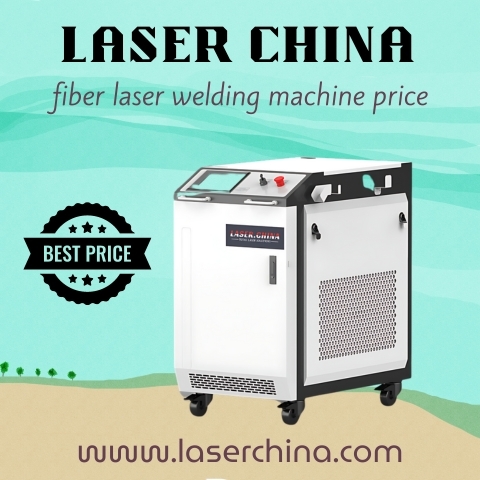
A fiber laser welding machine is an advanced industrial tool designed to join metal components with precision, speed, and consistency. It uses a concentrated laser beam to generate heat at a specific point, melting the metal surfaces and forming a strong weld. This technology is widely used in manufacturing industries that require accurate joints, clean finishes, and reliable production results.
As businesses look for more efficient metal fabrication solutions, fiber laser welding machine has become an important option for processing stainless steel, carbon steel, aluminum, and other compatible metals. From small workshops to large industrial facilities, this equipment supports a wide range of production requirements.
How Does Fiber Laser Welding Work?
Laser welding works by directing a focused beam of light onto the area where two metal parts meet. The energy generated by the beam heats the material, allowing the surfaces to melt and fuse together. After cooling, the molten metal forms a welded joint.
The welding process depends on several factors, including laser power, material thickness, welding speed, joint design, and the selected processing parameters. Proper adjustment helps manufacturers achieve consistent weld quality while controlling heat input.
Many modern systems feature digital controls that allow operators to adjust welding settings according to different materials and applications. Depending on the equipment configuration, additional accessories and cooling systems may also be required for stable operation.
Applications Across Different Industries
A fiber laser welding machine can support numerous industrial and commercial applications. Its versatility makes it suitable for manufacturers working with different metal products and fabrication processes.
Automotive Manufacturing
Automotive manufacturers use laser welding to join metal panels, brackets, enclosures, and selected structural components. Accurate welding helps maintain product consistency and supports efficient assembly operations.
Stainless Steel Fabrication
Stainless steel products are common in commercial kitchens, food-processing facilities, architectural projects, and industrial equipment. Laser welding can create neat joints on appropriately selected stainless steel components when the process is configured correctly.
Aluminum Product Manufacturing
Aluminum is widely used in transportation equipment, electrical enclosures, and lightweight structures. Because aluminum conducts heat efficiently and can be sensitive to welding conditions, operators must select suitable parameters and equipment for the intended application.
Metal Furniture and Household Products
Manufacturers of metal cabinets, furniture frames, shelves, and decorative products can use laser welding to join components with precise seams. Appropriate preparation and parameter selection help achieve a professional appearance.
Electrical and Electronic Equipment
Metal housings, control cabinets, and selected electrical components often require accurate joining. Laser welding can support these applications when the materials, dimensions, and production specifications are compatible with the process.
Choosing the Right Welding Equipment
Selecting suitable equipment requires a clear understanding of your production needs. Before purchasing, evaluate the materials you work with, their thickness, the required weld appearance, and your expected production volume.
Laser power is an important consideration because different applications require different levels of energy. Thin metal sheets may need lower power settings, while thicker materials can require higher power and carefully designed welding procedures.
You should also consider whether a handheld or automated system is more appropriate. Handheld equipment can offer flexibility for varied jobs, repair work, and small production batches. Automated systems may be more suitable for repetitive manufacturing processes that require consistent positioning and integration with production lines.
Other factors include cooling requirements, control software, maintenance support, operator training, warranty coverage, and the availability of replacement parts. Requesting a sample weld on your actual material can help you evaluate whether a machine meets your quality expectations.
Operating Practices for Consistent Results
Correct operation plays a significant role in welding quality. Before starting a job, ensure that the metal surfaces are clean and properly aligned. Contamination, gaps, or inconsistent joint preparation can affect weld appearance and strength.
Operators should follow the manufacturer's instructions for setting laser power, travel speed, focus position, and shielding gas where required. Testing the selected parameters on sample pieces before full production can help reduce material waste and identify potential issues.
Regular maintenance is also essential. Inspect optical components according to the manufacturer's schedule, maintain the cooling system, and keep the equipment clean. Any damaged cables, connectors, or protective components should be addressed before operation.
Laser welding requires strict safety precautions. High-power laser beams can cause serious eye and skin injuries, and reflections from metal surfaces can present additional hazards. Use an appropriately enclosed or controlled work area, suitable wavelength-rated laser protection, required machine interlocks, and proper fume extraction. Only trained personnel should operate the equipment.
Understanding the Cost of Laser Welding Equipment
The price of a fiber laser welding machine varies according to laser power, system design, automation level, included accessories, and manufacturer support. Handheld systems generally have different cost structures from fully integrated industrial welding systems.
When comparing quotations, consider more than the initial purchase price. Installation, training, maintenance, consumables, cooling requirements, and after-sales service can influence the overall cost of ownership.
Businesses should request detailed specifications and confirm that the quoted machine is suitable for their intended materials and production requirements. Comparing several suppliers and reviewing sample welds can support a more informed purchasing decision.
Finding a Reliable Machine Supplier
A dependable supplier should provide clear technical specifications, practical application guidance, operating instructions, and responsive after-sales support. Ask about warranty terms, spare parts availability, delivery arrangements, and technical assistance before placing an order.
Manufacturers that understand your industry can help you select appropriate equipment for your actual workflow rather than recommending a system based only on its power rating. A demonstration or material test can also provide useful evidence of expected performance.
Final Thoughts
Investing in a fiber laser welding machine can help manufacturers modernize their metal joining processes and meet demanding production standards. The right system depends on material type, thickness, weld design, production volume, and operator requirements.

