


Horse Infrared Light Therapy: Exploring Modern Equine Wellness Technology
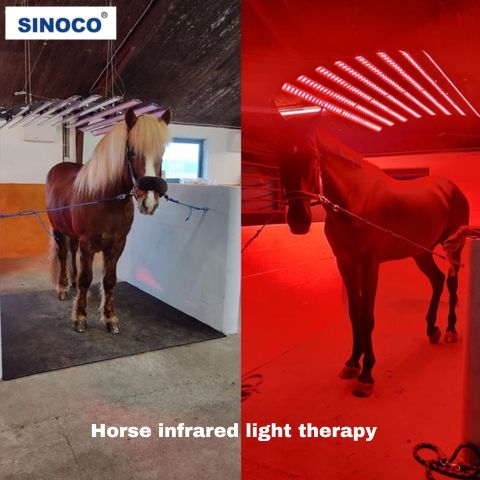
Horse owners, trainers, and equine care professionals continually seek practical ways to support their horses' comfort and overall well-being. Alongside proper nutrition, exercise, grooming, and veterinary care, modern wellness technology offers additional options to explore. Infrared light devices have attracted interest in the equine sector because they use specific wavelengths of light and come in several formats designed for animal care. Understanding horse infrared light therapy can help horse owners make informed decisions when evaluating equipment for their care routines.
What Is Horse Infrared Light Therapy?
Horse infrared light therapy involves using devices that emit infrared wavelengths toward a targeted area. Some products use near-infrared light, while others incorporate red light alongside infrared technology. These wavelengths have different properties, so the performance and intended application of each device depend on its design.
Equine infrared equipment is available in various formats, including flexible pads, wraps, handheld devices, and larger panels. These designs offer different levels of coverage and portability, allowing users to compare products according to the horse's size, intended application, and handling requirements.
Before choosing a product, review its wavelength specifications, light output, operating instructions, and safety guidance. Not all infrared devices work in the same way, and products should not be treated as interchangeable.
Exploring Infrared Technology for Equine Care
Infrared and red light technologies are studied for various biological and wellness-related applications. Certain approaches, including photobiomodulation, have been investigated for their effects on biological processes. However, scientific evidence varies by application, and results depend on the device, treatment protocol, and individual animal.
Equine products may be marketed for supporting comfort, skin wellness, or recovery-related routines. These claims should be assessed carefully, as not every advertised benefit has been established for every product or condition.
Infrared light therapy should complement appropriate horse care rather than replace veterinary assessment. If a horse develops lameness, persistent swelling, a wound, unusual sensitivity, or changes in movement, consult a qualified veterinarian before using light-based equipment. Veterinary guidance can help determine whether a particular device is suitable.
How to Choose the Right Infrared Light Device
Selecting suitable equipment requires careful attention to technical details and practical usability.
-
Wavelength information: Confirm whether the device uses near-infrared light, visible red light, or both.
-
Light output: Review documented irradiance or power-density information when available.
-
Coverage and design: Consider whether a wrap, pad, handheld device, or panel is appropriate for the intended application.
-
Ease of handling: Look for practical positioning options and straightforward controls.
-
Safety instructions: Follow recommendations for exposure time, distance, eye protection, and temperature precautions where relevant.
-
Product support: Review warranty coverage, technical documentation, and manufacturer assistance.
Introduce unfamiliar equipment carefully, supervise use, and stop if the horse shows discomfort or distress.
Discover Equine Lighting Solutions from SinocoLED
SinocoLED offers lighting products for commercial and specialized applications. Its horse infrared light therapy page provides a starting point for learning about infrared lighting concepts and exploring relevant equine product information.
Horse owners, equine businesses, and distributors can review specifications and compare equipment against their requirements. Clear product documentation helps buyers make more informed choices.
Support a Responsible Horse Wellness Routine
Infrared light technology is one option within the broader world of equine wellness equipment. Choosing suitable products involves understanding their specifications, maintaining realistic expectations, and seeking veterinary guidance when necessary. Combined with proper nutrition, exercise, rest, and routine professional care, informed equipment selection can support a thoughtful approach to horse well-being.

