


A Complete Guide to Preparing for FUE Hair Transplant
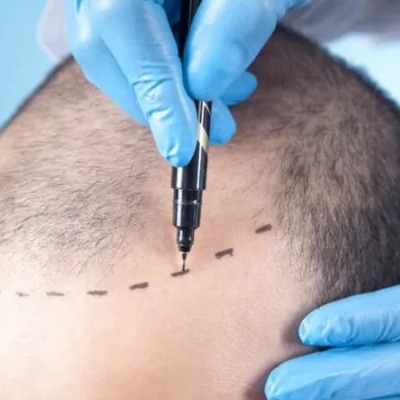
Hair loss can affect personal appearance and confidence, leading many people to explore modern hair restoration options. Follicular Unit Extraction (FUE) is a popular hair transplant technique that involves transferring individual hair follicles from a donor area to regions experiencing thinning or baldness. Although the procedure is designed to provide natural-looking results, proper preparation is an important part of the overall experience.
If you are considering FUE Hair transplant in Islamabad, understanding the steps to take before treatment can help you feel more comfortable and prepared. From attending an initial consultation to arranging recovery time, thoughtful planning can support a smoother treatment journey.
Understanding the FUE Hair Transplant Procedure
Before preparing for treatment, it is helpful to understand how FUE works. During this procedure, a qualified hair restoration surgeon extracts individual hair follicles, usually from the back or sides of the scalp. These follicles are then implanted into areas where additional hair coverage is desired.
Unlike traditional strip-based hair transplantation, FUE does not require removing a strip of scalp. Instead, it leaves small extraction marks that may be less noticeable when healed, although visible scarring can still occur.
The procedure is planned according to the patient's hair loss pattern, donor hair availability, scalp condition, and desired results. Learning about these details beforehand helps establish realistic expectations and allows patients to participate actively in treatment decisions.
Schedule a Detailed Consultation
An initial consultation is one of the most important preparation steps. During this appointment, the specialist evaluates your scalp, examines the donor area, and discusses your hair restoration goals.
Be prepared to explain when your hair loss began, whether it has progressed, and whether you have tried any previous treatments. Your medical history, current medications, allergies, and relevant health conditions should also be discussed.
The specialist may recommend further assessment if hair loss appears related to an underlying medical condition. Not every patient is suitable for surgery, and some may benefit from non-surgical treatment first.
Ask questions about the procedure, the expected number of grafts, potential risks, recovery requirements, and estimated costs. A clear treatment plan helps you make an informed decision.
Review Your Medications and Health History
Before FUE Hair transplant in Islamabad, provide the medical team with a complete list of prescription medicines, over-the-counter products, vitamins, and herbal supplements you use.
Certain medications or supplements may affect bleeding, healing, or anaesthesia planning. However, you should never stop a prescribed medicine independently. Your surgeon and prescribing clinician should advise you on whether any changes are necessary.
Inform the clinic about smoking, alcohol consumption, allergies, previous surgeries, and any history of bleeding or healing problems. These details can help the medical team identify potential risks and provide appropriate instructions.
If you have an active scalp infection or another untreated health issue, treatment may need to be postponed until the condition is assessed.
Follow Pre-Procedure Instructions Carefully
Your clinic will provide specific instructions for the days leading up to your hair transplant. These may include guidance about washing your hair, using scalp products, and preparing for the procedure.
Avoid applying unfamiliar products or undergoing aggressive scalp treatments immediately before surgery unless your specialist approves them. Keep your scalp clean according to the clinic's recommendations.
You may receive instructions about caffeine, alcohol, smoking, or particular medicines. Follow the advice provided for your individual circumstances rather than relying on general online recommendations.
If the procedure involves sedation, follow the clinic's instructions about fasting and transportation. Local anaesthesia alone may have different preparation requirements, so confirm these details with your medical team.
Plan Your Procedure Day
Preparing practical arrangements in advance can reduce stress on the day of treatment. Confirm your appointment time, travel arrangements, expected procedure duration, and any payment or documentation requirements.
Wear comfortable clothing that can be removed without rubbing against the scalp. A front-opening shirt or zip-up top is often useful because it avoids pulling clothing over the treated area afterward.
Arrange assistance with transportation if sedation is planned or if your clinic recommends that someone accompany you. You may also wish to clear your schedule for the remainder of the day so you can rest after treatment.
Arriving on time and following the clinic's instructions will help the team complete the planned preparation and discuss any last-minute concerns.
Prepare Your Home for Recovery
Recovery planning should begin before your procedure. Set aside a clean, comfortable resting area where you can relax without unnecessary interruptions.
Prepare any supplies recommended by your clinic, such as prescribed medicines, clean towels, and suitable pillows. Your surgeon may advise keeping your head elevated during the first few nights to help reduce swelling.
Arrange lighter responsibilities at home and consider taking time off work, particularly if your job involves strenuous physical activity, outdoor exposure, or wearing protective headgear.
Avoid purchasing or applying unapproved hair growth products during early recovery. The transplanted follicles need time to heal, and your medical team's instructions should guide your routine.
Set Realistic Expectations for Hair Growth
A successful hair transplant requires patience. The procedure does not produce immediate full hair growth, and the final appearance depends on factors such as donor hair quality, the extent of hair loss, and individual healing.
Transplanted hairs commonly shed during the first few weeks. New growth often begins to appear over the following months, while more developed results typically become visible within six to twelve months. Some people need longer to assess their final outcome.
It is also important to remember that existing hair may continue to thin after surgery. Your specialist may discuss suitable treatments to help manage ongoing hair loss.
Before FUE Hair transplant in Islamabad, discuss realistic coverage and understand that no responsible provider can guarantee a specific density or outcome.
Follow Aftercare Advice for Better Healing
Preparation continues after the procedure. Follow your clinic's instructions about washing, sleeping, physical activity, and protecting the scalp. Avoid scratching or rubbing the implanted areas, and do not resume strenuous exercise until your surgeon says it is appropriate.
Attend scheduled follow-up appointments so the medical team can monitor healing and answer questions. Contact your clinic promptly if you experience worsening pain, increasing redness, fever, unusual discharge, or other concerning symptoms.
Careful aftercare helps protect the treated area while the follicles heal and begin their growth cycle.
Conclusion
Preparing for an FUE hair transplant involves more than scheduling an appointment. A detailed consultation, honest disclosure of your medical history, appropriate medication guidance, and practical recovery arrangements all contribute to a well-planned experience.
When considering FUE Hair transplant in Islamabad, choose a qualified and experienced hair restoration professional who explains the procedure, possible risks, and expected results clearly. With informed preparation and realistic expectations, you can approach your hair restoration journey with greater confidence.
Frequently Asked Questions
1. How early should I prepare for FUE Hair transplant in Islamabad?
Start preparing as soon as you schedule your consultation. This gives you time to review your medical history, discuss medications, follow pre-procedure instructions, and arrange time for recovery.
2. Should I stop taking medication before FUE Hair transplant in Islamabad?
Do not stop prescribed medication without medical advice. Your surgeon and prescribing clinician will determine whether any medicines or supplements need to be adjusted before treatment.
3. Can I return to work after FUE Hair transplant in Islamabad?
Many patients return to light work within a few days, depending on their recovery and job requirements. People with physically demanding jobs may need more time off, as advised by their surgeon.
4. What should I avoid before FUE Hair transplant in Islamabad?
Before FUE Hair transplant in Islamabad, follow your clinic's instructions regarding alcohol, smoking, medicines, scalp products, and physical activity. Avoid making medication changes without professional guidance.
For more information visit
Enfield royal clinic in islamabad

