


Plastic Restorer for Cars: Refreshing Faded Trim in Pakistan
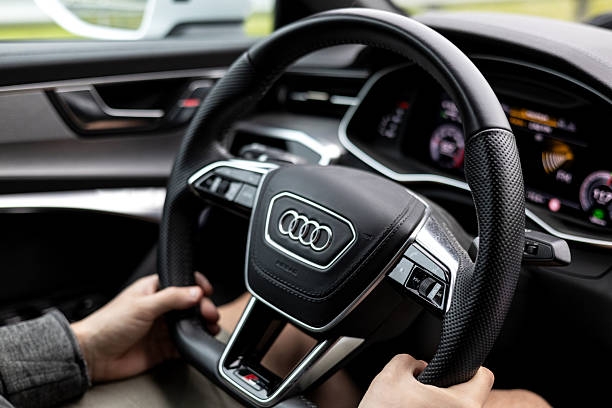
Plastic trim plays a major role in a vehicle’s appearance. Dashboards, door panels, bumpers, mirror housings, grille surrounds and other trim pieces can lose their fresh look after repeated exposure to sunlight, dust, washing and daily contact. Fading does not always mean the part has failed, but it can make an otherwise well-kept car look older than it is.
A plastic restorer is designed to improve the appearance of suitable faded plastic surfaces. Carrera Plastic Restorer is described as helping refresh aged automotive and household plastic, with a simple apply, spread and wipe process. The result depends on the material’s condition, preparation and correct application. It is a cosmetic care product, not a repair for cracked, broken or structurally damaged plastic.
What Is a Plastic Restorer?
A plastic restorer is a surface-care product intended to refresh the appearance of faded or dull plastic. Automotive trim is exposed to sunlight, weather, dust and repeated cleaning, which can gradually change its colour or finish. A suitable restorer may make the treated area look richer and more uniform, helping the vehicle appear better maintained without replacing every faded trim piece.
Results vary according to the type of plastic, the extent of fading, previous treatments and how clean the surface is before application. A restorer cannot rebuild missing material, remove deep scratches or repair a cracked component. Carrera describes its Plastic Restorer as suitable for appropriate automotive and household plastic surfaces. Check the product label and test an inconspicuous spot before applying it broadly.
Why Car Plastics Fade in Pakistan
Strong sunlight is one factor that can contribute to the gradual ageing of exposed plastic. Vehicles parked outdoors may experience repeated heating and cooling, while dust and airborne pollution settle on trim surfaces. Frequent washing, harsh cleaners and previous dressings can also affect appearance. Over time, black or dark plastic may look grey, patchy or less uniform than it did when new.
Different areas age at different rates. A dashboard may receive sunlight through the windscreen, while exterior bumpers and mirror housings face direct weather exposure. Areas touched frequently can develop uneven sheen, and textured trim can hold dirt in its grooves. Cleaning first helps distinguish surface grime from actual fading. If the plastic is brittle, cracked or peeling, a cosmetic restorer will not restore its original strength, so replacement or repair may be necessary.
Where Can Plastic Restorer Be Used?
Carrera lists its Plastic Restorer for appropriate automotive and household plastic surfaces. On a vehicle, possible areas may include suitable trim panels, plastic covers and other compatible components, provided the label approves the material. Always confirm that the part is plastic and that its finish can tolerate the product. Some modern vehicles use coated, soft-touch or textured surfaces that need specific care.
Do not apply a restorer to glass, steering-wheel grips, pedals, brake surfaces, tyre tread, seat controls or any surface where added slickness could create a safety risk. Avoid areas where residue might affect visibility or grip. If you are considering use on rubber or a specialised finish, check the current product directions rather than assuming compatibility. A small test patch can reveal uneven colour, unwanted shine or a reaction before the entire part is treated.
Prepare the Surface Before Applying
Preparation has a major influence on the finish. Wash or clean the target plastic using an appropriate cleaner, remove loose dust and dry the area completely. Dirt trapped under a restorer can leave streaks or uneven patches, while water may interfere with the application. If old dressing has built up, remove it using a compatible cleaning method before applying a new product.
Work in a shaded, well-ventilated area and avoid treating a hot surface. Gather a clean microfiber cloth or applicator and a separate dry cloth for removing excess product. Protect adjacent paint, glass and upholstery from accidental contact. Do not use an abrasive pad to force away stains, because scratches can become more visible after the trim is refreshed. If the surface is cracked, flaking or unusually sticky, seek advice before applying a cosmetic product.
How to Apply Carrera Plastic Restorer
Carrera’s product instructions recommend shaking the bottle, applying the restorer directly to the surface or onto a clean cloth, spreading it evenly, allowing approximately two to three minutes to dry, and wiping with a clean, dry, soft cloth. Follow the current packaging directions if they differ. Using a cloth can provide more control around edges and reduce the chance of product reaching nearby glass or painted panels.
Apply a modest amount and work across a small section at a time. Even coverage is more important than using a heavy layer. After the stated drying period, wipe away excess product and inspect the result in natural light. If the finish is uneven, check whether the surface was clean and dry or whether too much product was applied. Repeat only if the label allows and the material needs it; more product is not always better.
Interior Trim Versus Exterior Trim
Interior and exterior plastic have different exposure patterns. Interior trim may receive indirect sunlight, heat and frequent contact from hands, bags or cleaning cloths. Exterior trim faces rain, road dust, washing and direct sunlight. These differences can affect how quickly a treated area appears to change, so avoid assuming that one application will look identical on every part of the vehicle.
Before using Carrera Plastic Restorer on either location, confirm that the surface is approved by the label. Keep the product away from the windscreen, instrument display and areas that must remain non-slip. For exterior trim, clean off road grime and let the part dry before application. For interior trim, ventilate the cabin and wipe excess product carefully so it does not transfer to hands, clothing or adjacent surfaces.
Common Application Mistakes
One common mistake is applying restorer over dust, old cleaner residue or moisture. That can lead to streaks and uneven results. Another is using too much product and leaving a greasy-looking film. Applying it in direct, intense sunlight or to a hot panel may also make it difficult to spread consistently. Follow the specified drying time rather than guessing or immediately buffing the surface.
Do not use a restorer to conceal damage that needs repair. Deep scratches, gouges, cracks and missing texture may remain visible after treatment. Avoid applying it to surfaces where a slippery finish would be dangerous, including pedals and steering controls. Keep it away from children and pets, follow the safety directions and store it in its original container. If a test patch changes the colour or texture unexpectedly, stop and clean the area as directed.
How to Maintain the Refreshed Finish
After treating plastic trim, maintain it with gentle, compatible cleaning rather than harsh household chemicals. Use a soft cloth to remove loose dust and clean spills promptly. Avoid abrasive sponges and aggressive scrubbing, particularly on textured pieces. If the vehicle is parked outdoors, regular washing and sensible shade or covered parking where available can reduce some environmental exposure, although no care routine can prevent all ageing.
Reapplication should depend on the surface’s appearance and the product label, not a rigid schedule copied from another vehicle. Exterior parts may weather differently from interior panels, and washing habits can affect the result. Before applying another layer, clean the surface and check for buildup. If the trim begins to look patchy, remove excess residue using a compatible method rather than repeatedly layering more product over it.
Restorer Versus Cleaner, Polish and Replacement
A cleaner removes dirt and residue, while a plastic restorer is intended to improve the appearance of a suitable plastic surface. A polish may be designed for a different material, such as painted bodywork, and could be unsuitable for textured plastic. Knowing the difference prevents the common mistake of expecting one product to clean, restore, protect and repair every surface.
Replacement may be the better option when a trim piece is cracked, warped, brittle or missing sections. A restorer is best viewed as a cosmetic maintenance step for suitable faded surfaces, not as a structural fix. If the part is expensive or has a special coating, ask a vehicle-care professional to assess it first. Matching the product to the condition of the material saves time and gives a more realistic expectation of the final appearance.
Choosing and Storing Plastic Care Products
When choosing a restorer, review the intended surfaces, application method, drying time and safety instructions. A product that is easy to apply still needs proper preparation and careful use. Purchase from a reliable source, inspect the seal and label, and verify the product name. Avoid relying on dramatic claims or assuming that every restorer produces the same gloss level on every plastic.
Store Carrera Plastic Restorer in its original, closed container and follow the label’s temperature and handling guidance. Keep it away from children, pets, food and direct heat. Do not transfer it to an unlabelled bottle. If the product separates, changes unexpectedly or has unclear instructions, contact the seller or manufacturer before using it. Responsible storage protects the product’s condition and reduces the chance of accidental misuse.
Frequently Asked Questions
What does a plastic restorer do?
It is intended to improve the appearance of suitable faded or dull plastic surfaces. It does not repair cracks or replace missing material.
How do I apply Carrera Plastic Restorer?
Carrera advises shaking the bottle, applying it to the surface or a clean cloth, spreading evenly, allowing about two to three minutes to dry, then wiping with a clean soft cloth.
Can I use plastic restorer on every plastic part?
No. Check the product label and test a hidden area, especially on coated, soft-touch or unfamiliar surfaces.
Will a plastic restorer permanently reverse fading?
No product should be assumed to reverse all ageing permanently. Results depend on the material and exposure, and may change over time.
Should I clean the plastic before applying restorer?
Yes. Remove dust and grime and let the surface dry so the product can be applied evenly.
Conclusion
Faded trim can affect a car’s overall appearance, but suitable plastic care may refresh surfaces without replacing every part. Carrera Plastic Restorer is designed to improve the look of appropriate aged plastic when used according to its directions. Clean and dry the surface, apply a modest amount, wipe evenly and avoid safety-critical or incompatible areas. Realistic expectations and regular gentle care are the keys to a better finish.

