


How Can jinglitools Help Buyers Compare Workshop Solutions?
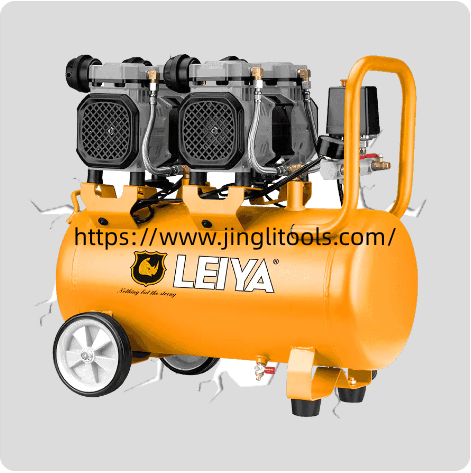
Air Compressor selection requires buyers to assess flow demand, working pressure, installation conditions, and maintenance expectations. For manufacturers, workshops, distributors, and maintenance teams, the purchasing process should begin with a clear understanding of the tasks the equipment must support. Reviewing technical specifications alongside daily operating requirements helps businesses compare available configurations and prepare more detailed enquiries.
Identify the Required Output
The required output depends on the tools, machinery, and processes that will use the supplied compressed gas. Pneumatic tools may need a steady supply during continuous operation, while occasional cleaning or inflation tasks can involve different demand patterns. Buyers should list all intended applications and estimate how many devices may operate simultaneously.
Flow rate is an important specification because it indicates how much compressed gas a unit can deliver over a given period. A rating that appears sufficient for one tool may not meet the needs of several tools running together. Check the manufacturer's stated measurement conditions and compare the figures with the requirements of the connected equipment.
Allowing a reasonable operating margin can help accommodate changing workloads. However, choosing a unit with unnecessarily high output may increase purchase and running costs. The objective is to match capacity to realistic demand rather than relying on assumptions.
Compare Working Pressure and Tank Capacity
Working pressure should match the minimum requirements of the intended tools and machinery. Buyers need to distinguish between the maximum pressure listed on a product specification and the pressure available during normal operation. Pressure losses across hoses, fittings, filters, and regulators may also affect performance at the point of use.
Tank capacity influences how stored compressed gas is supplied during periods of demand. A larger tank can help manage intermittent usage, but it does not replace the need for sufficient output from the motor and pumping system. Consider the frequency of tool activation, the duration of each task, and the recovery time between operating cycles.
For facilities with fluctuating workloads, reviewing output and storage capacity together provides a clearer basis for comparison. Request technical data from the supplier when specifications are unclear, especially if the equipment will connect to an existing workshop network.
Decide Whether an Oil-Free Design Fits the Application
Oil-free equipment may suit applications where avoiding oil contamination is an important consideration. Typical examples include selected laboratory tasks, general workshop operations, and processes with specific cleanliness requirements. Buyers should confirm that the proposed design meets the standards relevant to their actual use rather than assuming every oil-free model supports every application.
Other factors deserve attention as well. Check the recommended duty cycle, cooling method, sound level, and operating temperature range. These details can influence where the unit can be installed and how it performs during regular use.
Noise may be particularly important in small workshops or indoor service areas. If employees work near the equipment for extended periods, ask for the published sound-pressure information and consider the distance between the installation point and occupied workstations.
Examine Electrical and Installation Requirements
Before placing an order, confirm the available voltage, frequency, motor rating, and starting current. The electrical supply at the installation site must be compatible with the selected model. For commercial facilities, buyers may also need to consult maintenance personnel or a qualified electrician before confirming the configuration.
Physical dimensions and ventilation requirements should be checked before delivery. Leave enough room for routine inspections, cleaning, and component access. Poor placement can complicate maintenance and may contribute to overheating when airflow around the equipment is restricted.
Also review the connection sizes, hose requirements, drainage arrangements, and any accessories needed for operation. Identifying these items early can reduce installation delays and help buyers estimate the total project cost more accurately.
Plan Routine Maintenance and Service Access
Maintenance requirements affect both operating expenses and equipment availability. Buyers should ask which components require periodic inspection, how frequently consumables need replacement, and whether suitable spare parts can be obtained when needed.
A clear maintenance schedule helps operators identify wear before it disrupts normal work. Drainage, filter checks, cleaning, and inspection intervals should follow the manufacturer's instructions. Records of servicing can also support internal maintenance planning and help teams investigate performance changes.
Supplier communication is another practical consideration. Confirm the warranty terms, technical documentation, and process for requesting assistance. For distributors and purchasing teams, access to consistent product information can make it easier to answer customer questions and manage future orders.
Prepare Questions Before Requesting a Quotation
A useful enquiry should include the intended application, required flow rate, operating pressure, expected duty cycle, electrical supply, and installation environment. Buyers should also state whether they need an oil-free configuration, a storage tank, connecting accessories, or particular documentation.When comparing quotations, review the full specification rather than the purchase price alone. Differences in included accessories, service terms, delivery arrangements, and maintenance requirements can affect the overall value of an offer.For businesses assessing workshop and industrial equipment, jinglitools offers a starting point for reviewing product information and discussing purchasing requirements. Visit https://www.jinglitools.com/ to learn about the company and contact its team regarding available options for your application.

