


Commercial Cleaning Companies in Auckland Guide
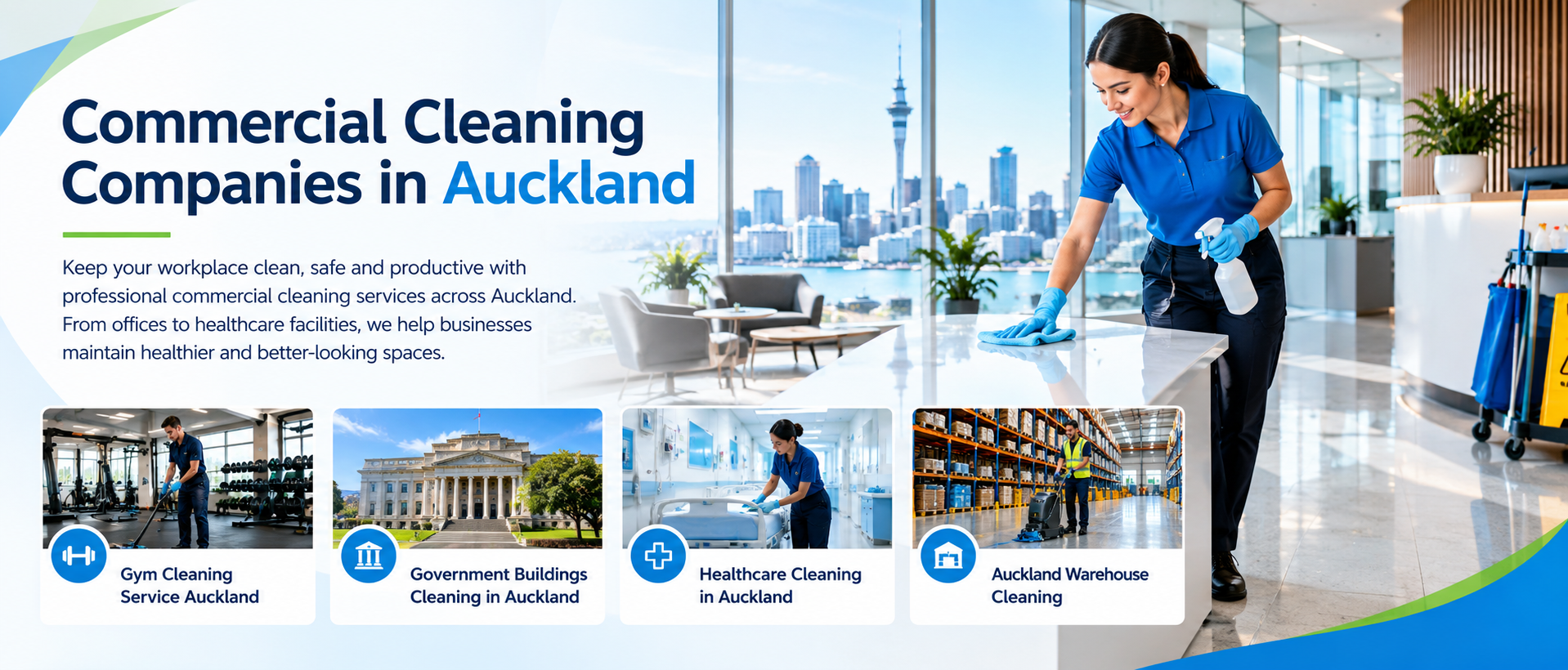
Commercial Cleaning Companies in Auckland: A Complete Guide
Every business has a moment when the cleaning stops being something staff can squeeze in after work. The premises get bigger, the foot traffic grows, or the standards expected by customers and regulators rise. That is usually when owners start looking at Commercial Cleaning Companies in Auckland and asking what a good service actually looks like.
The answer depends on the building. An office needs tidy, organised workspaces. A gym needs close attention to shared equipment. A healthcare clinic needs careful hygiene procedures. A government building often has strict access rules. A warehouse needs a practical plan for huge floors and constant activity.
This guide explains what commercial cleaners do, looks at four specialised sectors in detail, and offers advice on choosing a provider, understanding costs and keeping standards consistent.
Why Commercial Cleaning Is Important for Businesses
Clean premises do real work for a business. They shape how customers feel on arrival, how staff feel at their desks and how well the building holds up over time. The main benefits include:
- A professional workplace appearance.
- Support for everyday hygiene.
- Shared areas that stay clean and organised.
- Better control of dust, dirt and waste.
- Well-maintained floors, furniture and equipment.
- A welcoming environment for employees and visitors.
- Consistent cleaning routines that people can rely on.
Needs vary with how the building is used, how many people pass through, what the surfaces are made of and what the business does all day. It is also worth being realistic. Cleaning supports good hygiene, but it cannot prevent every illness or guarantee any particular business result. It is one important part of a wider set of habits and procedures.
What Services Do Commercial Cleaning Providers Offer?
Most providers offer a menu of services that can be combined into a plan. Here are the common ones.
Regular Commercial Cleaning
Routine cleaning covers the tasks that keep a building in good order from day to day. That usually means dusting, vacuuming, mopping, removing rubbish, cleaning washrooms and tidying shared areas. Because it happens on a set schedule, dirt has little chance to build up.
Deep Cleaning Services
Deep cleaning targets dirt and buildup in places that routine visits do not reach, such as corners, edges, behind furniture and heavily used fixtures. It suits situations like seasonal maintenance, post-renovation clean-ups or a long stretch without detailed attention.
Floor and Carpet Cleaning
Flooring takes a beating in any commercial space. Good maintenance includes regular carpet vacuuming, stain treatment and floor care that suits the surface. A method that works well on carpet could ruin a timber or coated floor, so the material should always guide the choice.
High-Touch Surface Cleaning
Door handles, light switches, shared equipment and reception counters are touched all day by many people. Regular attention to these points is one of the simplest ways to support everyday hygiene.
Flexible Cleaning Schedules
Schedules can be daily, weekly or periodic, and some providers offer after-hours visits where available. A schedule built around your operations means less disruption for staff and customers.
Gym Cleaning Service Auckland for Fitness Facilities
A reliable Gym Cleaning Service Auckland can make a big difference to how members experience a fitness facility. Gyms, fitness centres and yoga studios see heavy, constant use, and members notice quickly when equipment looks or smells neglected.
The areas that usually need attention include:
- Exercise machines and equipment handles.
- Free weights and shared accessories.
- Workout mats and exercise areas.
- Changing rooms and lockers.
- Showers and washrooms.
- Reception desks and waiting areas.
- Mirrors, glass and other accessible surfaces.
- Floors and high-traffic walkways.
When cleaning and disinfecting shared equipment, follow the product instructions and any guidance from the equipment manufacturer. Some products can damage upholstery, screens or protective coatings.
Why Gym Equipment Needs Regular Attention
Sweat, frequent handling and continuous use create specific cleaning needs. Handles, seats and benches are in contact with hands and skin throughout the day. Compatible cleaning products are important here, because harsh chemicals can wear down padding and finishes, and that makes equipment look old before its time.
Creating a Gym Cleaning Schedule
A good schedule often has several layers:
- Before opening: floors, washrooms and a general check of equipment and mats.
- During operating hours: spot cleaning of busy zones and quick responses to spills.
- Between busy periods: touch-ups for equipment and changing rooms.
- After closing: detailed floor cleaning, showers and a full washroom service.
High-use areas will need more attention than quiet corners, so the plan should reflect how members actually use the space.
Choosing Cleaning Methods for Fitness Centres
Gym managers should think about staff training, suitable cleaning materials, equipment compatibility and clear cleaning responsibilities. Knowing who cleans what, and when, prevents gaps and avoids two people doing the same job.
Government Buildings Cleaning in Auckland
Government Buildings Cleaning in Auckland covers a wide range of premises, including administration offices, civic facilities and other public-facing buildings. These sites often combine busy public areas with restricted staff zones, which makes planning especially important.
Typical areas include:
- Reception areas and public waiting rooms.
- Offices and meeting rooms.
- Corridors, stairways and lifts.
- Public washrooms.
- Staff kitchens and break rooms.
- Glass doors and internal partitions.
- Frequently touched surfaces.
- Entrances and other high-traffic areas.
Cleaning plans should take into account public access, visitor numbers, opening hours and the need to keep surroundings professional.
Security and Confidentiality Considerations
Cleaners in government premises must follow access rules, protect documents, respect restricted areas and maintain confidentiality. Some facilities may require background checks, specific approvals or extra security procedures. These requirements differ from site to site, so they should be confirmed before any work begins.
Maintaining Public Areas During Busy Hours
Public buildings cannot simply close while the floors are mopped. Schedules can be coordinated to reduce disruption to staff and visitors. Warning signs should be placed safely, methods should suit a busy environment, and spills or visible dirt should be dealt with quickly.
Building a Consistent Cleaning Plan
Facility managers can define cleaning responsibilities, inspection routines, reporting procedures and site-specific requirements in writing. A clear plan makes it easier to hold everyone accountable and to adapt when the building's use changes.
Healthcare Cleaning in Auckland for Medical Facilities
Of all the sectors in this guide, Healthcare Cleaning in Auckland demands the most care. Patients visit medical premises when they are unwell or vulnerable, and cleaning procedures need to reflect that.
Premises that need attention include:
- Medical centres.
- General practice clinics.
- Dental practices.
- Physiotherapy clinics.
- Consultation rooms.
- Patient waiting areas.
- Treatment rooms.
- Staff areas and washrooms.
Important tasks include cleaning high-touch surfaces, maintaining washrooms, managing waste correctly and following the facility's own infection prevention procedures. Requirements vary with the type of care provided, the activities carried out in each room and the level of risk.
Cleaning and Disinfection in Healthcare Environments
Cleaning and disinfection are not the same thing. Cleaning removes dirt and organic material from a surface. Disinfection, where it is required, uses an appropriate product to reduce microorganisms on a surface that is suitable for it.
To use disinfectants properly, follow the product label, observe the stated contact time, check that the surface can handle the product, and stick to the facility's infection prevention procedures.
Preventing Cross-Contamination
Simple, consistent habits help reduce the spread of germs between areas:
- Use dedicated cleaning equipment for designated areas.
- Follow hand hygiene procedures.
- Change cleaning cloths and mop heads when required.
- Separate equipment according to site protocols.
Cleaning staff need suitable training and clear written instructions. Guesswork has no place in a clinical setting.
Creating a Healthcare Cleaning Schedule
Schedules should be organised around appointments, patient flow, room use and site rules. Treatment rooms and other higher-risk areas will need more detailed procedures than general administrative spaces, and the plan should say so clearly.
Auckland Warehouse Cleaning for Industrial and Storage Facilities
A warehouse is a very different challenge. Auckland Warehouse Cleaning needs to deal with large floor areas, storage systems, loading zones and ongoing operational activity, all at once. A plan that ignores the working rhythm of the site will not last.
Common requirements include:
- Floor sweeping and machine-assisted floor cleaning.
- Loading docks and entry areas.
- Storage racks and shelving.
- Staff rooms and break areas.
- Washrooms and changing facilities.
- Accessible high-level surfaces.
- Waste collection and disposal.
- Careful cleaning around operational equipment.
Cleaning has to be coordinated with workplace safety procedures and site operations, because forklifts, pallets and moving vehicles share the space.
Warehouse Floor Cleaning and Maintenance
Dust, packaging debris, dirt and the odd spill build up quickly on warehouse floors. Equipment and methods should suit the surface, whether it is concrete, coated, tiled or something else. Spills should be handled according to site procedures, especially when hazardous materials or industrial chemicals are involved.
Cleaning Storage Racks and High-Level Areas
Dust settles on accessible shelving, beams and elevated surfaces, and over time it can affect both appearance and working conditions. Cleaning at height should only happen with approved access equipment, trained personnel and a proper risk assessment.
Maintaining Clean Loading and Distribution Areas
Loading zones collect dirt from vehicles, packaging and heavy foot traffic. Good practice includes removing general waste, keeping walkways clear and timing cleaning around vehicle and equipment movement.
Planning Warehouse Cleaning Around Operations
Supervisors can schedule cleaning during quieter periods or in designated sections to limit disruption. Communication between cleaning teams and warehouse staff matters, particularly around forklifts, conveyors and restricted work zones.
How to Choose the Right Commercial Cleaning Provider
With so many options available, comparing Commercial Cleaning Companies in Auckland can feel overwhelming. A structured approach helps. Look at:
- Experience with similar premises.
- Clear service descriptions.
- Staff screening and training.
- Health and safety procedures.
- Suitable equipment and cleaning products.
- Flexible scheduling.
- Communication and issue reporting.
- Regular quality inspections.
- Transparent pricing.
- Appropriate security and access arrangements.
The cheapest quote is not always the best fit. What matters is whether the provider can meet the specific needs of your premises, from a clinic's hygiene procedures to a warehouse's safety rules.
Questions to Ask Before Hiring a Cleaning Provider
- Which areas and tasks are included?
- How often will each area be cleaned?
- Are cleaning materials included in the service?
- What training do cleaners receive?
- How is cleaning quality checked?
- What happens if a scheduled task is missed?
- How are keys and access codes protected?
- Can the cleaning plan change as requirements evolve?
Clear answers help set expectations early and make responsibilities easy to understand for both sides.
Factors That Affect Commercial Cleaning Costs
Cleaning costs are not fixed, because every property is different. When businesses speak with Commercial Cleaning Companies in Auckland about pricing, the quote usually reflects several factors:
- Floor area.
- Type of facility.
- Cleaning frequency.
- Number of washrooms and shared areas.
- Level of dirt and buildup.
- Specialised equipment requirements.
- After-hours scheduling.
- Carpet and floor maintenance.
- Security and access requirements.
- Consumables and cleaning materials.
A detailed site assessment helps providers understand the job and prepare a quote suited to your needs. Be careful with any claim that a service will always cost less than another. Without comparing the scope of work, prices tell you very little.
The Importance of Health, Safety, and Responsible Cleaning
Safe cleaning protects the people doing the work and the people using the building. Good practice includes:
- Following cleaning product instructions.
- Using appropriate personal protective equipment.
- Storing chemicals securely.
- Providing staff training.
- Using warning signs when necessary.
- Keeping walkways clear.
- Following site-specific safety rules.
- Selecting suitable products for different surfaces.
- Managing waste according to applicable requirements.
Healthcare facilities, government buildings, gyms and warehouses each operate differently, so each may need its own procedures. Where suitable products are available, environmentally preferable options and waste reduction are worth considering. It is wise to avoid unsupported claims, though. Few products are completely harmless to the environment, and honest labelling is more useful than marketing language.
How to Maintain Consistent Cleaning Standards
Hiring a provider is only the beginning. Quality has to be monitored over time. Useful tools include:
- Written task lists for each area.
- Regular inspections of the premises.
- Open communication with cleaning supervisors.
- Clear reporting channels for problems.
- Periodic reviews of the schedule.
A documented cleaning plan makes missed tasks easier to spot and helps ensure that important areas get the right attention. It also gives you a reference point when your needs change.
Frequently Asked Questions About Commercial Cleaning
What should businesses look for when comparing commercial cleaning providers?
Focus on training, reliability, safety procedures, quality checks, service scope and communication. A provider who explains these clearly is usually easier to work with.
How often should a gym be professionally cleaned?
It depends on membership numbers, equipment usage, opening hours and the condition of different areas. Many gyms combine daily professional cleaning with regular spot cleaning during opening hours.
Why do healthcare facilities need specialised cleaning procedures?
Medical environments have different hygiene and infection prevention needs, depending on the services provided and the risk level of each area.
What areas need attention during government building cleaning?
Reception areas, public waiting spaces, offices, washrooms, meeting rooms and high-touch surfaces all need attention, subject to access rules and facility requirements.
What is included in warehouse cleaning?
Services may include floors, loading areas, shelving, washrooms, staff spaces, waste collection and accessible high-level surfaces, depending on the agreed scope.
How can businesses manage commercial cleaning costs?
Define your priorities, choose an appropriate schedule, keep clear service agreements and review your requirements whenever operations change.
Can commercial cleaning be arranged outside regular working hours?
Often, yes. Options depend on the provider, building access, security requirements and the agreed schedule.
Conclusion
From busy gyms to secure government offices, clinics and sprawling warehouses, every commercial space has its own cleaning demands. The right service understands those differences and builds a plan around them. Taking time to compare Commercial Cleaning Companies in Auckland carefully will pay off in cleaner premises, smoother operations and fewer surprises.
Start by looking closely at your own space. Decide which areas matter most, how often they need attention and what safety or access rules apply. Then compare providers on experience, training, communication and scope, and choose a plan that fits the way your business actually runs.

