


Choosing Between Fat Freezing and Other Body Contouring Methods
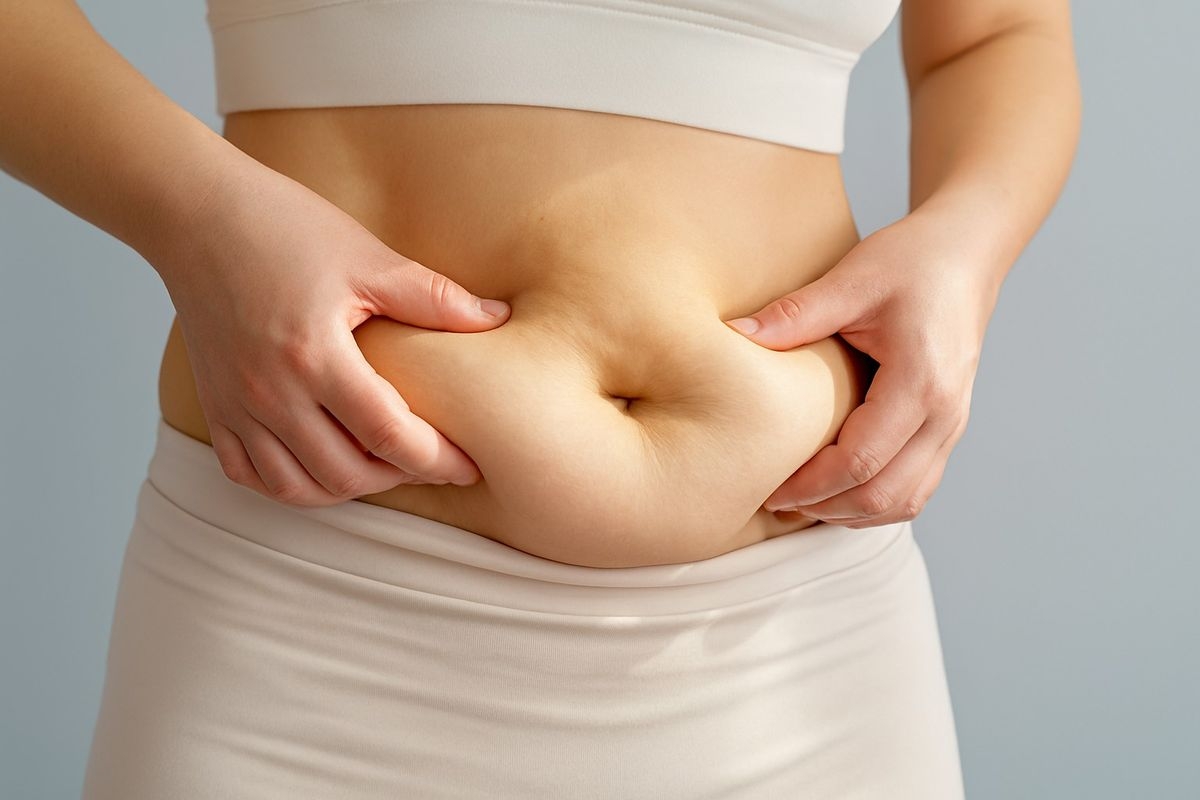
Stubborn fat deposits can remain around the abdomen, thighs, hips, and flanks even when someone follows a balanced diet and exercises regularly. For individuals who want to improve specific body contours without surgery, several non-surgical treatments may be worth considering. Fat freezing is one popular option, but ultrasound-based treatments and radiofrequency technologies may also be available.
Choosing the right procedure requires more than comparing advertisements or prices. Each treatment uses a different approach, and results depend on the device, treatment area, and individual circumstances. People exploring Non-Surgical Fat Removal in Islamabad should understand how these methods differ before deciding which option best matches their goals.
What Is Fat Freezing?
Fat freezing, medically known as cryolipolysis, is a non-surgical body-contouring treatment that uses controlled cooling to affect fat cells in selected areas. The body gradually processes the treated tissue over time, which may lead to a reduction in the appearance of localized fat.
Depending on the device's approved uses, treatment may be considered for areas such as the abdomen, flanks, and thighs. The procedure generally does not require surgical incisions, but patients may experience temporary redness, swelling, bruising, tenderness, or numbness.
Fat freezing is not a weight-loss treatment. It is generally intended for people who are near a stable weight and want to address specific fat deposits. Results vary, and some patients may need additional sessions.
A rare but important complication is paradoxical adipose hyperplasia, in which the treated area becomes larger instead of smaller. Discuss this possibility with a qualified provider before treatment.
Understanding Ultrasound-Based Body Contouring
Ultrasound-based treatments use sound-wave energy to affect targeted tissue. Certain devices deliver focused ultrasound energy to specific layers beneath the skin, with the aim of reducing localized fat deposits.
The procedure usually involves applying a device to the selected area. Patients may feel warmth, tingling, pressure, or discomfort, depending on the technology used. The body processes changes in the treated tissue over time, so results are not necessarily immediate.
Ultrasound treatments differ in design and intended use. Their effectiveness and safety cannot be assumed to be identical. Before choosing this option, ask which device will be used, what results it is designed to produce, and what risks may apply to your medical history.
Radiofrequency Treatments for Body Contouring
Radiofrequency technology uses energy to heat tissue. Some radiofrequency devices focus mainly on skin tightening, while others are intended for body contouring or localized fat reduction. The specific effects depend on the equipment and treatment settings.
This distinction matters when choosing a procedure. Someone concerned primarily about loose skin may need a different approach from someone whose main concern is a localized fat deposit.
Possible side effects include temporary redness, swelling, warmth, and tenderness. Burns or pigmentation changes can occur in some circumstances. A qualified provider should explain the device's purpose and potential complications before treatment begins.
Fat Freezing vs. Other Body Contouring Methods
Although these treatments may share a goal of improving body contours, they work differently.
-
Fat freezing: Uses controlled cooling to affect fat cells. Temporary numbness, bruising, tenderness, and swelling can occur.
-
Ultrasound-based treatment: Uses sound-wave energy. Outcomes and risks depend on the specific device and technique.
-
Radiofrequency treatment: Uses heating technology and may focus on skin tightening, body contouring, or both, depending on the device.
No method is automatically the best choice for every person. The right treatment depends on the size and location of the fat deposit, skin condition, health history, expectations, and the technology available.
Ask a provider to explain the expected degree of improvement, the number of sessions that may be required, and how results will be evaluated. Be cautious of claims promising dramatic fat loss or guaranteed results.
Who May Be a Suitable Candidate?
People with localized fat deposits and relatively stable body weight may be candidates for certain non-surgical body-contouring procedures. They should understand that these treatments are intended to refine selected areas rather than significantly reduce overall body weight.
A consultation should include a review of medical history, medications, previous procedures, and the condition of the proposed treatment area. Certain health conditions or implanted devices may affect eligibility, depending on the technology. Pregnancy generally warrants postponing elective cosmetic fat-reduction procedures.
If loose skin, substantial weight concerns, or another medical issue is the main problem, a provider may recommend a different treatment approach. An individualized assessment helps determine whether non-surgical treatment is likely to meet your expectations.
Recovery and Expected Results
Recovery depends on the procedure and the person's response. Some patients return to regular activities quickly, while others may experience temporary discomfort or need to follow specific aftercare instructions.
Results typically develop gradually over several weeks or months. The timeline varies by technology, and more than one session may be recommended. Some people experience noticeable improvement, while others see limited changes.
Maintaining a stable weight and following healthy lifestyle habits can support long-term body-contouring goals. However, future weight gain can affect body shape, and no treatment guarantees permanent results.
Follow the provider's instructions after treatment. Seek medical advice if you experience severe, persistent, or worsening symptoms.
How to Choose the Right Treatment in Islamabad
When considering Non-Surgical Fat Removal in Islamabad, evaluate the provider's qualifications, the equipment used, and the quality of the consultation. Ask whether the device is appropriate for your target area and what evidence supports its intended use.
You should also understand the total cost, possible need for repeat sessions, expected recovery, and risks. A responsible provider will explain limitations, discuss alternatives, and avoid pressuring you into a decision.
Compare treatments according to your goals rather than choosing solely by price or popularity. A personalized treatment plan is more useful than a one-size-fits-all recommendation.
Conclusion
Fat freezing, ultrasound-based treatments, and radiofrequency technologies offer different approaches to non-surgical body contouring. Fat freezing uses controlled cooling, ultrasound treatments use sound-wave energy, and radiofrequency systems use heat. Their suitability, risks, and outcomes vary.
Before choosing Non-Surgical Fat Removal in Islamabad, consult a qualified provider to discuss your medical history, treatment goals, and realistic expectations. Understanding the differences can help you make a safer and more informed decision.
Frequently Asked Questions
1. Is fat freezing the best option for Non-Surgical Fat Removal in Islamabad?
Fat freezing may suit some people with localized fat deposits, but it is not ideal for everyone. A qualified provider can compare it with other suitable technologies based on your goals and medical history.
2. How does fat freezing compare with other Non-Surgical Fat Removal in Islamabad treatments?
Fat freezing uses controlled cooling, ultrasound treatments use sound-wave energy, and radiofrequency devices use heat. Their intended effects, risks, and results differ according to the specific technology.
3. How long do results from Non-Surgical Fat Removal in Islamabad take to appear?
Results usually develop gradually over several weeks or months, depending on the treatment and individual response. Some people may need multiple sessions, and results are not guaranteed.
4. What should I ask before choosing Non-Surgical Fat Removal in Islamabad?
Ask about the provider's qualifications, the device's intended use, possible side effects, expected results, number of sessions, total cost, and aftercare requirements.
For more information visit
Enfield royal clinic in islamabad

