


Essential Factors to Consider Before Choosing an Equipment Rental Service
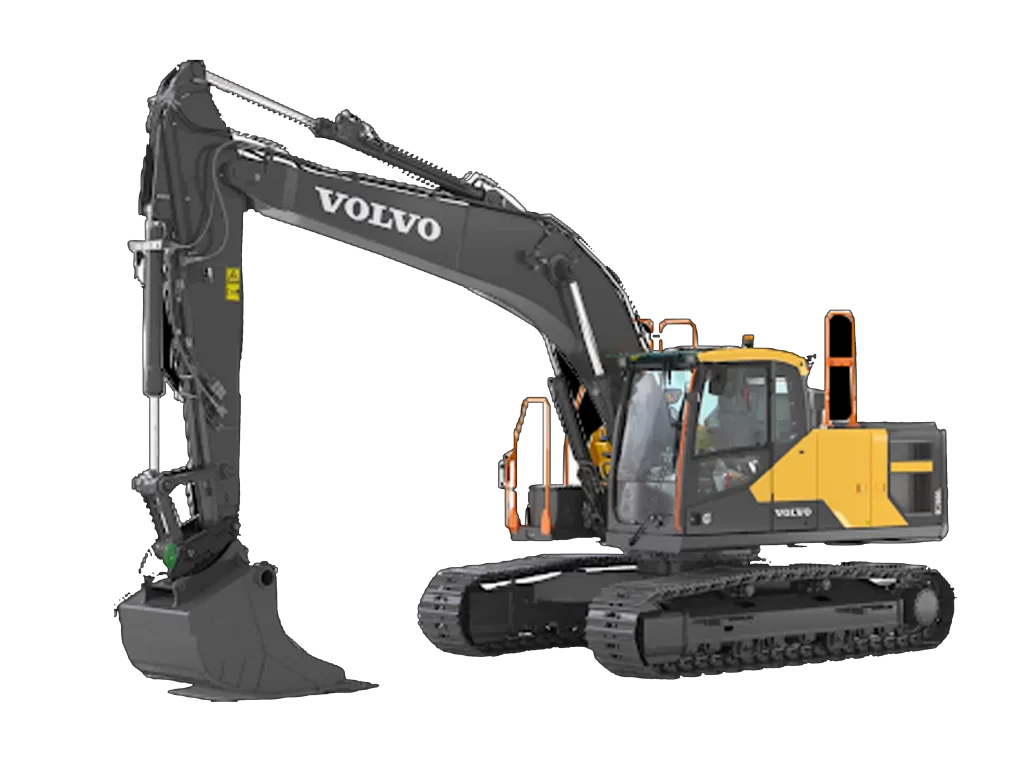
Renting machinery instead of buying it can save your business significant capital, free up storage space, and give you access to newer models without the burden of long-term maintenance. But not every provider delivers the same value. The right equipment rental partner keeps your project on schedule and within budget, while the wrong one can lead to breakdowns, hidden fees, and costly delays. Before you sign an agreement, it pays to look beyond the daily rate and evaluate the provider as a whole.
Define Your Project Needs First
Before contacting any company, get clear on what your job actually requires. Consider the scope of the work, the site conditions, the duration of the rental, and the skill level of the people who will operate the machines. A compact excavator might be ideal for a residential backyard, while a large commercial site may call for heavy-duty earthmovers. Knowing your requirements helps you ask the right questions, compare quotes accurately, and avoid paying for capacity you will never use. It also makes it easier for the provider to suggest suitable alternatives if your first choice is unavailable.
Range and Availability of Inventory
A provider with a broad, well-stocked fleet gives you flexibility. If your project expands or changes direction, you want to add or swap machines quickly without searching for a second supplier. Ask whether the company carries the specific makes, models, and attachments you need, and how far in advance you should book during peak season. Reliable availability matters as much as variety, since a machine that appears in the catalogue but is never on the lot does nothing for your timeline.
Condition and Maintenance of the Machines
The age and upkeep of the fleet directly affect safety and productivity. Well-maintained machines are less likely to break down mid-job, and they tend to run more efficiently. Ask about the provider's inspection routine, how often units are serviced, and whether you can review maintenance records. If possible, inspect the machine yourself before it leaves the yard or when it arrives on site, checking for leaks, worn tires or tracks, damaged hoses, and working safety features. A reputable company will be open about the condition of what it rents out.
Transparent Pricing and Contract Terms
The advertised rate rarely tells the whole story. Delivery and pickup charges, fuel policies, cleaning fees, damage waivers, and overtime hours can add up quickly. Request a detailed written quote that spells out every cost so you can compare providers fairly. Read the contract carefully, paying close attention to what counts as normal wear and tear versus damage, the penalties for late returns, and the process for extending these equipment rental periods. Clear terms protect both sides and prevent unpleasant surprises when the final invoice arrives.
Insurance and Liability Coverage
Accidents and damage can happen on any job site, so it is important to understand who is responsible when they do. Ask what insurance the provider includes and what coverage you are expected to carry yourself. Some companies require proof of your own liability or property insurance, while others offer optional damage protection for an added fee. Confirm the details with your insurer as well, so no gaps in coverage leave your business exposed.
Delivery, Setup, and Support Services
Logistics can make or break a project schedule. Find out whether the company delivers to your location, how much notice it needs, and whether it can meet tight deadlines. Some providers also offer setup, operator training, or on-site demonstrations, which can be valuable if your crew is unfamiliar with a particular machine. Just as important is after-hours support. If a unit fails during a critical phase, you need to know how quickly a technician can respond or a replacement can be sent.
Why Reputation Matters in Equipment Rental
A provider's track record says a lot about how it will treat you. Read online reviews, ask for references from past clients with similar projects, and check how long the business has operated in your area. Notice how the company handles complaints and disputes, since that reveals more about its customer service than glowing testimonials alone. Local contractors and suppliers can also offer honest insight into which companies are dependable and which ones to avoid.
Safety Standards and Compliance
Every machine you bring onto a site should meet current safety regulations. Ask whether the provider's fleet complies with local occupational health and safety requirements and whether units come with operating manuals and safety guidance. Providers that take safety seriously often supply documentation, recommend protective gear, and help ensure your operators understand safe handling procedures. This reduces the risk of injuries, fines, and project shutdowns.
Making the Right Choice
Choosing a rental partner is about more than finding the lowest price. By defining your needs, reviewing the fleet, understanding the full cost, confirming insurance, and checking the company's reputation and safety record, you can find a provider that supports your project from start to finish. Taking the time to compare your options carefully ensures your next equipment rental experience is smooth, efficient, and cost-effective.

