


Visiting India in March: A Practical Guide
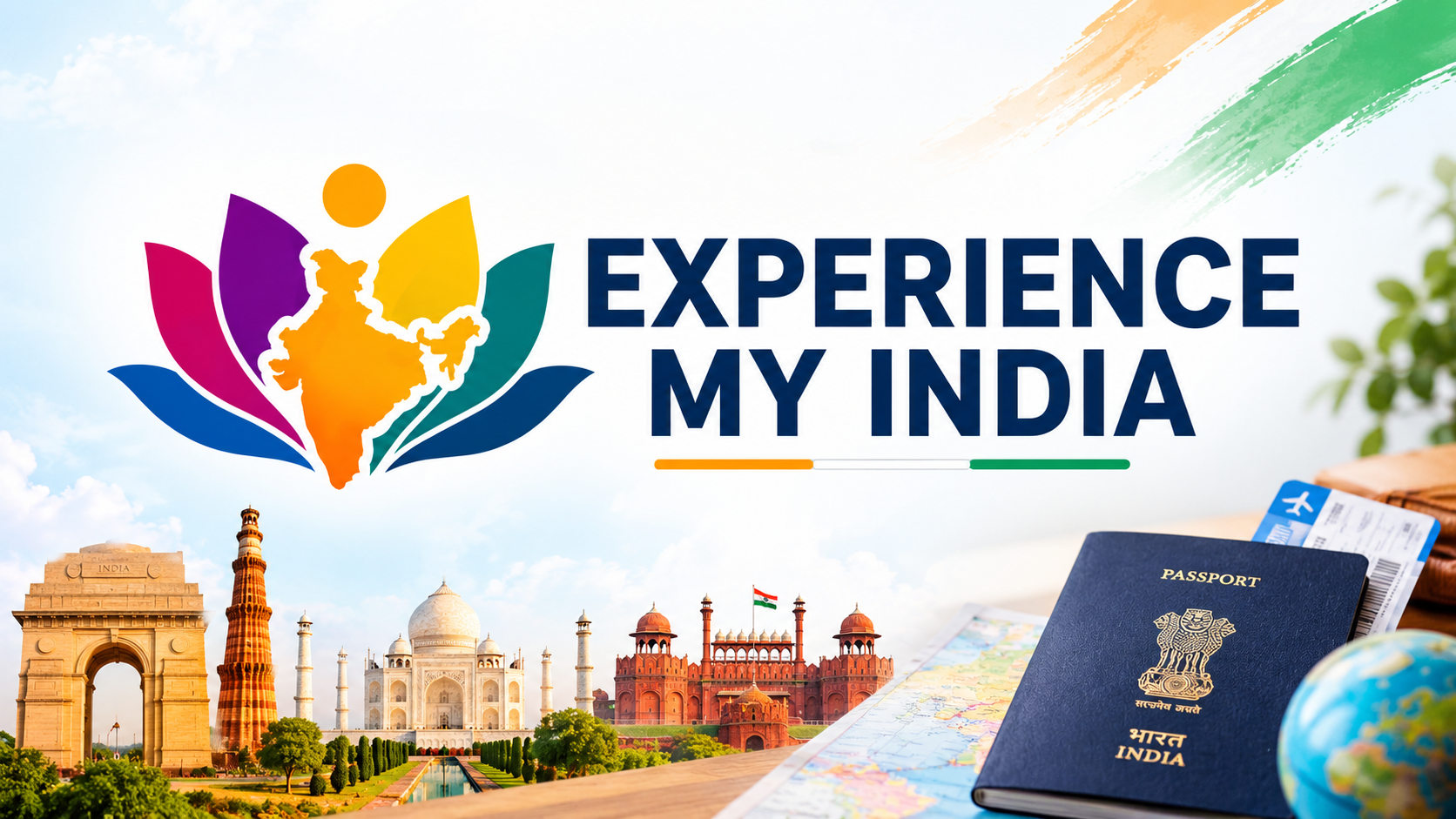
Early March suits a Golden Triangle and Rajasthan trip, because days stay comfortable before the heat builds after Holi. Plan 7 to 9 days for a first visit, with Agra at dawn, Jaipur's Amber Fort in the morning and Jodhpur last. Skip Ladakh and Kashmir, which remain cold or largely closed.
Visiting India in March is a sound choice if you plan your days around the weather. The plains of Rajasthan and the Golden Triangle are at their most pleasant in the first half of the month, and the route below is built for that window. I have guided guests through this circuit many times, and the advice is the same every year: start early, keep the middle of the day light, and decide early whether Holi is part of your plan.
Visiting India in March: who it suits and how many days to allow
For a first visit, I would allow 7 to 9 days. That covers Delhi as your arrival point, then Agra with a day trip to Fatehpur Sikri, Jaipur and Jodhpur. If you have only a week, drop one city rather than rushing all four. Most travellers I meet regret cutting Agra least, since the Taj Mahal is the reason many people come, but Jodhpur is the easiest to skip if time is tight. For a related idea, see Ranthambore Tiger Safari.
March works best for travellers who can start the day before the sun is fully up, who enjoy walking through old forts and who are comfortable with warm but manageable afternoons. It is a less good fit for anyone who needs a long lie-in, wants to spend midday at a pool, or expects the cool, misty mornings of January.
If you have a spare two or three days and an interest in wildlife, the Ranthambore Tiger Safari is a useful add-on from Jaipur. Its season runs from October to June, so March falls inside it. Book the safari in advance and treat any sighting as a bonus rather than a promise.
Best time in March by season and region
The Golden Triangle and Rajasthan are comfortable early in March but warm quickly by the end of the month. Treat the first two weeks as the sweet spot for sightseeing on foot, and plan the last week with the heat in mind. Booking a Rajasthan trip for late March while expecting January-style cool mornings is a common mistake, and it leads to disappointed guests and rushed itineraries.
Hill stations such as Himachal Pradesh and Uttarakhand are beginning to wake up after winter. They are a good escape from the rising heat on the plains later in the month, but they remain cool at altitude, so pack layers if you go. Kerala and the rest of South India are warm and increasingly humid, which suits beach and backwater plans better than a fort-heavy itinerary.
Kashmir is still cold, with the spring thaw only beginning, and Ladakh remains largely closed in March. For this month, the plains and Rajasthan are the practical choice, and I would leave the north-east mountains for a later trip.
The sights in a sensible visiting order
Start in Agra. The Taj Mahal opens at sunrise and closes at sunset, and the first hour after the gates open has the softest light on the marble and by far the smallest crowds. Book your tickets in advance through the Archaeological Survey of India, and allow a morning for the monument itself. Agra Fort is a separate visit that needs about half a day, and it is best done once the Taj has been seen in the cooler part of the morning.
Jaipur comes next. Amber Fort sits on a ridge above Maota Lake, a short drive outside the city, and it is worth visiting early, before the midday heat and the coach groups arrive. The Sheesh Mahal, with its mirror-work chambers, is the highlight inside. Allow roughly half a day for the fort, and check current opening times before you travel. If you prefer a guided visit with transport arranged for you, the Amber Fort Experience covers the same route with a private guide.
Finish in Jodhpur. Mehrangarh Fort rises above the Blue City, and its museum galleries and ramparts reward a slow walk. Below it, the white marble Jaswant Thada is a calm contrast to the sandstone walls. Allow a half day for both, and plan the visit for the morning. Jodhpur is also an easy place to slow down after the busier stops, which is why I suggest ending the route there. For a structured visit, the Mehrangarh Fort Tour is one option.
Getting there from abroad
Most international visitors arrive into Delhi and continue by road or rail to Agra and Jaipur. Check current transfer times and rail timetables before you book, because journey lengths vary with traffic and the route you choose. For the Agra leg, I recommend booking around the Taj Mahal's opening time, so that your transfer from the hotel gets you to the gate without a rushed start.
If you would like a private driver and a guide who handles the ticketing and gate logistics, the Taj Mahal Sunrise Tour is one way to arrange that. Whatever you choose, arrange it before you arrive, since the early hours leave little room for last-minute bookings.
Etiquette, Holi and what to skip
Holi is India's festival of colour, and it is the biggest event of the month. Its date varies with the lunar calendar, so check it before you fix your dates. If you want to take part, wear old clothes you do not mind losing, and expect coloured powder and water on the streets. If you would rather not, avoid pale or white clothing during the celebrations, and steer clear of the busiest crowds in the old city centres. Plan a quiet morning in your hotel or a museum instead.
At religious and historic sites, dress modestly, with shoulders and knees covered, and follow the posted rules on photography and entry. Remove your shoes where requested, and carry socks, since marble and stone floors get cold in the morning and hot later. If your trip is built around a pilgrimage, Ayodhya deserves its own plan, and the Ayodhya Ram Mandir Tour is a separate trip rather than an add-on to this route.
What to skip in March is clear. Do not expect cool mornings in late March, and do not try to fit Ladakh or Kashmir into the same plan. Keep the Golden Triangle and Rajasthan as your core, and let the rest wait for another season.
One practical sample day in Agra
Ask your driver to collect you from the hotel before dawn, so you reach the Taj Mahal as the gates open. Take the first hour slowly, photograph the marble in the soft light, and then leave while the crowds are still building. Breakfast back at the hotel is a good reset before the heat rises.
Later in the morning, visit Agra Fort while the day is still cool enough to walk the courtyards comfortably. After lunch, drive to Fatehpur Sikri, about 40 kilometres away, to see the Buland Darwaza, the Jama Masjid and the tomb of the Sufi saint Salim Chishti. For a combined day trip with the transport and guiding arranged, Experience My India offers a Fatehpur Sikri Day Trip that can sit alongside a Taj Mahal visit. Head back to Agra before the afternoon heat peaks. Check current opening times for each site,

