


How Materials and Construction Influence Industrial Idler Roller Performance
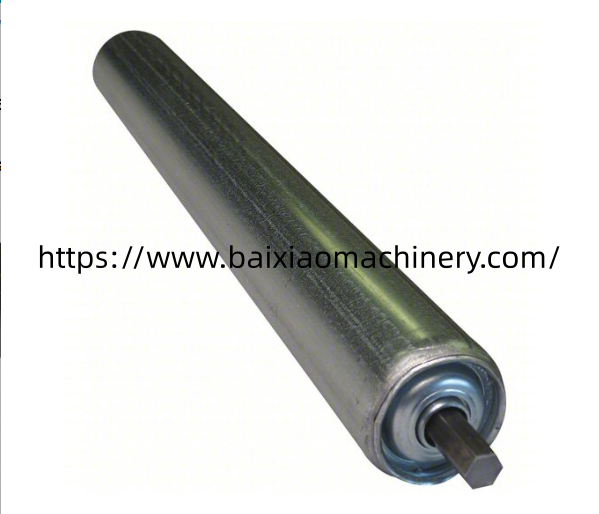
Conveyor systems help manufacturers move raw materials, workpieces, and finished goods between different stages of production. Within these systems, an Idler Roller supports the belt or conveyed material while helping maintain a stable travel path. Although it may appear to be a simple mechanical component, its construction can influence belt movement, contact conditions, maintenance demands, and the overall reliability of material handling. Understanding how roller materials, mounting arrangements, and operating environments interact helps buyers make more informed equipment decisions.
Material selection begins with the conditions the roller must withstand. Carbon steel is commonly considered for applications requiring structural strength and resistance to everyday mechanical wear. Stainless steel may be more appropriate where moisture, cleaning processes, or corrosive surroundings are concerns. Aluminum can offer advantages when reducing component weight is important, while selected polymer materials may be suitable for applications involving particular surface-contact or corrosion requirements. No single material is ideal for every conveyor, so the choice should reflect the conveyed material, surrounding environment, and expected maintenance practices.
The roller shell and supporting structure also influence service performance. A well-constructed shell helps maintain consistent contact with the belt, while appropriate end components support the connection between the rotating body and its mounting arrangement. Surface condition matters because uneven wear, contamination, or damage may affect belt tracking and create unwanted contact. In dusty production areas, the ability to limit contamination around moving components can also be important. Buyers should consider the complete assembly rather than evaluating the roller shell as an isolated item.
Choosing a suitable roller requires an understanding of the conveyor's operating conditions. Different systems handle packaged goods, bulk materials, agricultural products, building materials, or manufactured components. These applications can vary in their exposure to dust, moisture, abrasive particles, and frequent cleaning. Buyers should also consider the conveyor layout, belt characteristics, installation position, and the type of support needed along the material path. Providing this information to a supplier helps clarify the intended application and supports a more appropriate product recommendation.
Procurement teams should assess manufacturing quality alongside material selection. Consistency in shell construction, assembly, bearing installation, and surface finishing can affect how a roller performs after installation. Suppliers should be able to explain their production processes and the checks used to identify defects. For replacement projects, compatibility with existing equipment deserves particular attention. Information about the current conveyor arrangement, mounting interfaces, and operating environment can help prevent installation difficulties and reduce the risk of introducing a component that does not suit the system.
Functional technology plays an important role in roller operation. Bearing arrangements influence rotational behavior, while seals and protective features may help reduce the entry of dust or moisture in suitable designs. The effectiveness of these features depends on the operating environment and the maintenance practices followed by the user. Roller placement also matters: components positioned along the carrying side support the belt and conveyed load, while those installed on the return side help guide the belt back through the system. Correct selection and installation support stable belt movement and reduce avoidable mechanical complications.
User experience is closely connected to maintenance accessibility. Operators and maintenance teams need to inspect rollers, identify unusual noise or vibration, and recognize signs of surface damage or irregular rotation. Accessible mounting arrangements can simplify replacement, while clear maintenance procedures help ensure that inspection and servicing are carried out consistently. Material buildup should be addressed according to the conveyor's operating requirements, since accumulated debris may affect contact conditions. Routine inspection is especially valuable when changes in roller behavior could indicate a developing problem elsewhere in the conveyor system.
Design and appearance contribute to manufacturing quality and practical integration. A consistent outer surface, properly finished edges, and well-formed mounting features can help the component fit into the intended assembly. Surface treatments may be selected to address corrosion or environmental exposure, provided they are appropriate for the application. In food-related or other hygiene-sensitive environments, cleanability and material suitability may be more important than a decorative finish. For general industrial use, the priority is a design that supports reliable contact, straightforward installation, and effective maintenance.
Zhejiang Province, Ruian Baixiao Machinery Co., Ltd. operates in the machinery sector, serving customers who need equipment and components suited to industrial processing and material handling. Buyers considering conveyor-related products should review the company's current product range and discuss the intended application, installation arrangement, and environmental conditions with its team. This approach helps establish whether an available solution matches the requirements of a particular production system. Further information about the company's machinery products and related offerings is available at https://www.baixiaomachinery.com/.

