


How Aloe Vera Products Are Transforming the Beauty and Wellness Industry
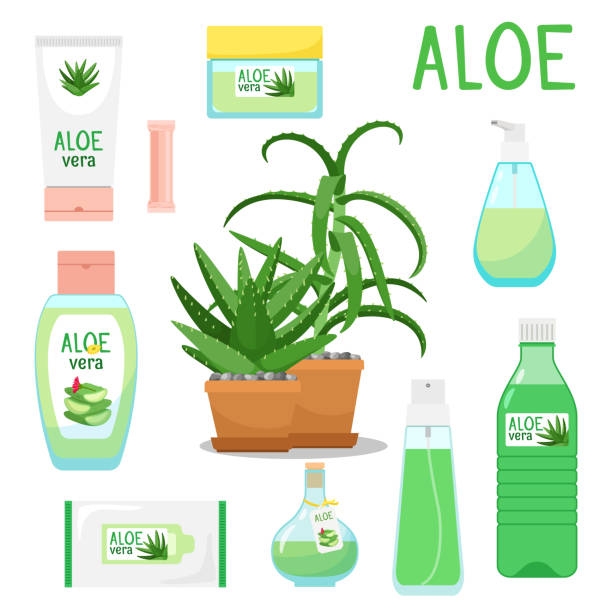
Aloe Vera Products Market activity is closely connected to changing beauty routines, interest in botanical ingredients, and demand for versatile personal care products. Aloe vera is incorporated into numerous formulations, ranging from lightweight gels and facial moisturizers to body lotions, shampoos, and conditioners. Its adaptability allows manufacturers to develop products for different applications, price points, and consumer preferences. Beauty brands use aloe vera in products positioned around hydration, skin comfort, and everyday care, although actual performance depends on the complete formulation. This variety gives manufacturers opportunities to serve shoppers seeking convenient products with recognizable plant-derived ingredients.
The growing interest in aloe-based beauty and cosmetic formulations highlights the importance of combining familiar botanical ingredients with effective product design. Consumers increasingly examine texture, application methods, fragrance, packaging, and ingredient transparency when selecting skincare and haircare products. Aloe vera may be incorporated into creams, serums, gels, cleansers, and body care formulations, depending on the intended purpose. Manufacturers must determine how the ingredient works alongside other components and whether the finished product remains stable during storage. Clear product descriptions help customers understand the formulation without assuming that botanical ingredients guarantee specific results.
The beauty industry provides opportunities for differentiated skincare products. Lightweight gels may appeal to consumers who prefer a refreshing application experience, while creams and lotions can suit shoppers looking for richer textures. Facial care products may combine aloe vera with other cosmetic ingredients selected for their formulation properties. Packaging also influences the customer experience, with pumps, tubes, and jars offering different levels of convenience. Brands need to ensure that the packaging is suitable for the product and supports appropriate storage. Product testing and clear usage instructions can help manufacturers maintain consistency and provide customers with realistic expectations.
Haircare manufacturers also use aloe vera in a variety of product formats. Shampoos, conditioners, scalp-care products, and hair masks can incorporate aloe vera as part of a broader formulation. Consumers may compare these products according to fragrance, texture, ease of rinsing, packaging, and compatibility with their haircare routines. However, a product's performance depends on the combined ingredients, manufacturing process, and intended application. Brands should communicate the purpose of each formulation clearly and avoid unsupported claims about treating scalp conditions or preventing hair loss. Transparent descriptions can help customers compare products and select options that match their preferences.
Ingredient sourcing is an important part of product development. Aloe vera materials may be supplied in different forms, and their characteristics can depend on cultivation, harvesting, processing, and storage. Manufacturers need to establish appropriate specifications and evaluate suppliers before incorporating raw materials into finished products. They must also assess compatibility with preservatives and other ingredients to maintain stability and product quality. Documented manufacturing procedures can help identify inconsistencies and support reliable production. Businesses that invest in sourcing controls and quality assurance may be better equipped to respond to customer questions about product composition and manufacturing standards.
Digital retail has changed how shoppers discover and evaluate botanical beauty products. Online platforms allow brands to share ingredient lists, usage instructions, product demonstrations, and comparisons across product ranges. Customers can examine reviews and learn about packaging or texture before making a purchase. However, reviews reflect individual experiences and cannot independently prove the effectiveness of a formulation. Businesses should therefore support promotional messages with accurate information and avoid presenting personal testimonials as scientific evidence. Retailers that provide clear, accessible product details can help shoppers understand the differences between aloe vera gels, cosmetic creams, and other finished products.
Competition presents challenges for companies seeking to build a recognizable position in the aloe vera category. Botanical ingredients are widely used across beauty and personal care, making product differentiation essential. Brands may compete through formulation quality, packaging, affordability, customer service, and ingredient transparency. They also need to follow applicable cosmetic labeling and advertising requirements in their target markets. Unsupported medical claims can create regulatory and reputational risks, particularly when a cosmetic is promoted as a treatment for a disease. Responsible communication and appropriate quality controls help companies build trust while distinguishing their offerings in a crowded marketplace.
Future development may involve more convenient packaging, carefully designed formulations, responsible ingredient sourcing, and product ranges tailored to specific personal care routines. Aloe vera can remain relevant across several beauty categories because it can be incorporated into different product types. Manufacturers can strengthen their offerings by focusing on the complete product experience rather than relying on ingredient popularity alone. Retailers can support consumers with accurate descriptions and accessible product comparisons. Businesses that combine formulation expertise, consistent quality, and transparent communication may be better positioned to respond to evolving preferences across the beauty and personal care industry.
FAQs
Why is aloe vera used in beauty products?
It is a versatile botanical ingredient used in many skincare and haircare formulations.
Which beauty products may contain aloe vera?
Gels, moisturizers, cleansers, shampoos, conditioners, and body lotions may contain it.
What makes a product different from another aloe vera product?
Its full formulation, ingredient quality, texture, intended use, and manufacturing standards.

