


Can You Charge an Electric Car with Solar Panels at Home?
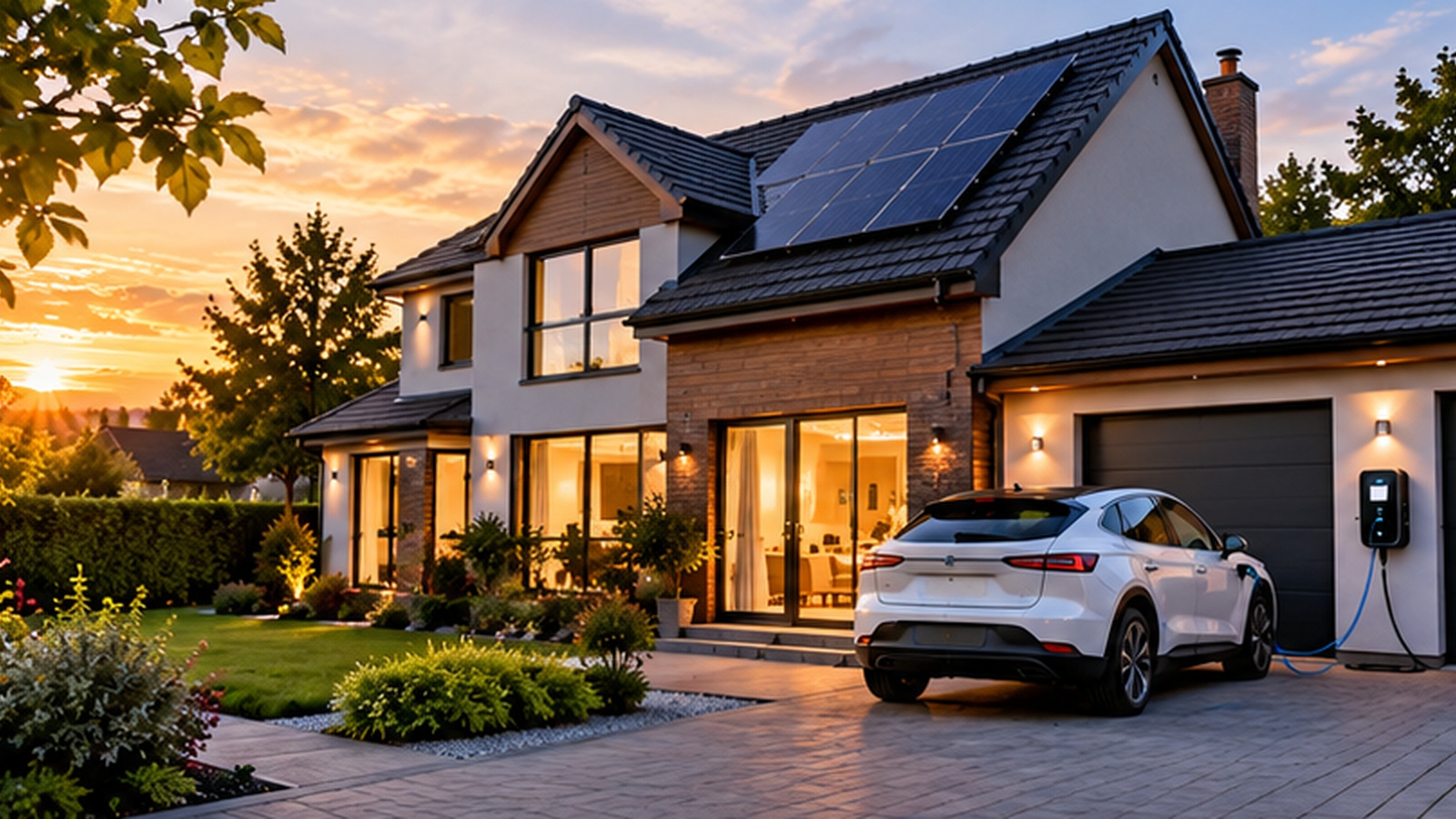
Electric vehicles and home solar panels can be an appealing combination. One produces electricity from daylight, while the other uses electricity for everyday travel. Bringing the technologies together may reduce how much grid electricity a household needs to purchase for charging.
If you are considering both upgrades, professional solar installation services can help you explore the most suitable solar capacity, charger arrangement and optional battery storage for your property.
How Does Solar EV Charging Work?
Solar panels generate electricity during daylight hours. That electricity can power household appliances and, when a vehicle is connected, contribute to charging its battery through an appropriate home charge point.
Some solar-compatible smart EV chargers can monitor available surplus generation and adjust charging to make greater use of it. Compatibility and the ability to charge from surplus solar depend on the equipment and installation design.
Do You Need a Special EV Charger?
A standard home EV charger may use electricity supplied by a home that also has solar panels, but a charger with solar-aware controls can make it easier to prioritise unused solar generation.
Before buying, check charger compatibility with your solar system, vehicle and household electrical supply. An appropriately qualified installer should evaluate cable routes, electrical capacity and installation safety.
Can Solar Panels Charge Your Car at Night?
Solar panels do not generate power after dark. Night-time EV charging will normally rely on grid electricity unless energy is available from a compatible battery or another source.
A home battery may help shift some daytime generation into later hours, but charging an EV can require substantial energy. Battery storage is not essential for solar EV charging, and it should be evaluated on its own costs and benefits.
Does Your Daily Routine Matter?
Yes. Drivers who park at home during daylight hours may be able to use more solar electricity directly. People who commute throughout the day could have fewer opportunities to charge from daytime generation.
Smart charging and time-of-use electricity tariffs may offer additional flexibility. The best approach depends on your vehicle's charging needs, driving mileage and tariff arrangement.
Should You Install More Solar Panels for an EV?
An electric vehicle increases household electricity demand, but there is no single correct number of extra panels for every driver.
The appropriate system size depends on annual mileage, vehicle efficiency, roof space and how frequently the car is parked at home during sunny periods. A system designer can assess those factors alongside the home's existing consumption.
Final Thoughts
Home solar and electric vehicle charging can complement one another, especially when the charger and solar array are planned together. Realistic savings depend on generation, timing and equipment compatibility.
Eco Energy Services helps UK households explore tailored residential solar options and energy management solutions. Request an assessment to see how solar generation could fit your home and future electric driving plans.

