


How Can Buyers Assess Tool Options with jinglitools?
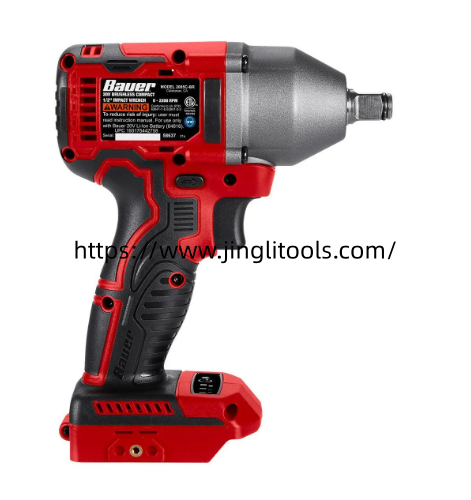
Power Wrenches are used in automotive maintenance, machinery assembly, equipment servicing, and other industrial tasks where fasteners need to be tightened or removed. For distributors, importers, and workshop managers, selecting a suitable model involves more than comparing prices or appearance. Buyers should evaluate working requirements, product specifications, operating conditions, and supplier communication before confirming a purchase. Understanding these factors helps businesses select tools that fit their intended applications and purchasing plans.
Identify the Intended Application
Before requesting a quotation, buyers should identify where and how the equipment will be used. Automotive repair shops, production workshops, construction teams, and machinery maintenance departments may have different requirements. Some applications involve frequent fastening operations, while others require occasional servicing or work in confined spaces.
Consider the type of fasteners, the materials being assembled, the available working space, and the expected frequency of use. These details help narrow the selection and avoid spending money on features that do not support the intended task.
The working environment also matters. Dust, moisture, temperature, and access to an appropriate energy source may affect the configuration required. Providing this information to the manufacturer makes product recommendations and quotation comparisons more relevant to the actual application.
Check Torque and Drive Dimensions
Torque requirements are an important consideration when evaluating fastening equipment. A model should match the needs of the intended task rather than being selected solely because its advertised maximum torque appears high. Buyers should check the specified range and clarify whether the published figure refers to fastening torque, loosening torque, or another measurement.
Drive dimensions deserve similar attention. The drive must be compatible with the sockets and fasteners used in daily operations. Sizes vary according to the equipment category and application, so compatibility should be confirmed before an order is placed.
When comparing quotations, request technical specifications in a consistent format. This makes it easier to compare models from different suppliers and identify differences that could affect practical use. Buyers should also ask whether operating instructions and relevant technical documents are available.
Evaluate the Available Energy Source
Different equipment configurations have different operating requirements. Depending on the product range, buyers may compare corded electric, cordless, and pneumatic models. Each option involves considerations related to mobility, maintenance, workplace infrastructure, and supporting accessories.
Corded models may suit work areas with convenient electrical access. Cordless designs allow greater freedom of movement, although battery capacity, charging time, and spare battery arrangements should be considered. Pneumatic equipment requires a suitable compressed-air supply with sufficient pressure and airflow for the intended workload.
Before making a decision, buyers should check whether the selected configuration fits the existing workshop setup. Distributors serving different industries should also consider the needs of their customers, including working hours, portability requirements, and available maintenance resources.
Examine Materials and Handling
Construction quality can affect daily handling, service requirements, and product lifespan. Buyers can review housing materials, handle design, trigger operation, switch placement, and overall weight. For equipment used repeatedly throughout a shift, grip comfort and convenient control placement deserve particular attention.
Ask the manufacturer about the materials used in key components and the inspection procedures followed during production. Where relevant, request information about functional testing, product documentation, and applicable compliance requirements.
Replacement parts and compatible accessories are also worth checking. A purchasing decision should account for practical needs after delivery, including routine cleaning, inspection, and service arrangements. Clear instructions help operators understand the correct procedures for using and maintaining their equipment.
Review Quotations and Order Conditions
A quotation should contain enough information to support a fair comparison. Buyers can request model numbers, dimensions, weight, torque specifications, drive size, electrical or air requirements, packaging details, and order quantities. When several models are under consideration, individual specification sheets can help prevent confusion.
Purchase price should be assessed alongside the full order conditions. Shipping arrangements, packaging methods, production schedules, warranty terms, and payment conditions may influence the overall purchasing plan.
For bulk orders, confirm the minimum order quantity and whether samples are available for evaluation. Buyers should clarify how specification changes are handled and which product details must be approved before production. Written confirmation helps reduce misunderstandings between the purchasing team and the factory.
Assess Manufacturer Communication
Clear communication supports a more organized purchasing process. A manufacturer should be able to explain available models, provide relevant technical information, and respond to questions about production arrangements and order requirements.
When contacting jinglitools, buyers can prepare information about intended applications, required specifications, estimated quantities, and destination markets. These details provide a practical starting point for discussing suitable models and possible customization options.
Importers and distributors should also clarify packaging expectations, product labeling, delivery schedules, and documentation needs before confirming an order. Addressing unclear requirements during the quotation stage can help avoid unnecessary revisions later.For businesses developing an ongoing supply relationship, communication should continue beyond the initial quotation. Consistent product information, clear order confirmation, and timely updates help both parties coordinate purchasing and delivery. Buyers planning their next industrial equipment purchase can review the available range at https://www.jinglitools.com/product/ and compare product specifications with their application, order quantity, and workshop requirements before contacting the manufacturer.

