


Inside Transformer Manufacturing: Core Structure, Insulation, and Assembly
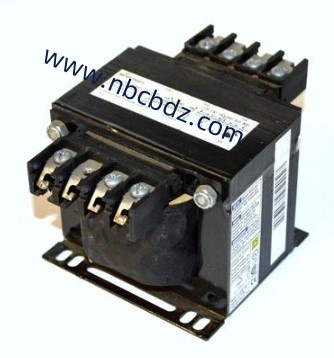
Electrical equipment often relies on transformers to transfer energy between circuits while supporting the voltage relationships required by the application. When evaluating a Low-frequency Transformer Factory, buyers should consider the materials, construction methods, insulation arrangements, and inspection procedures behind the finished component. These factors influence how the transformer fits into a larger electrical system and how consistently it can perform its intended role. A suitable selection process begins with understanding the application, the surrounding equipment, and the conditions under which the transformer will operate.
The magnetic core is a central part of low-frequency transformer construction. It provides a path for magnetic flux generated by the primary winding, allowing energy to be transferred to the secondary winding through electromagnetic induction. Laminated electrical steel is commonly used in many conventional designs because its magnetic characteristics support this operating principle. The quality of the steel, the consistency of the laminations, and the way the core is assembled can influence magnetic losses and operating behavior. Core construction should therefore be considered alongside the intended electrical application instead of being treated as a purely structural choice.
Winding materials and insulation systems are equally important. Copper is frequently selected for windings because of its electrical conductivity, while other conductor options may be appropriate for specific designs. The winding arrangement must work with the core geometry and the transformer's intended electrical function. Insulation separates conductive sections and helps prevent unwanted electrical contact between windings or between a winding and the core. Its suitability depends on the electrical stresses, surrounding conditions, and construction of the complete assembly. Buyers should consider how conductors, insulation materials, and protective components are coordinated rather than evaluating each feature in isolation.
Choosing a transformer begins with identifying the equipment it will serve. Engineers should clarify whether the component is intended for a control circuit, industrial machinery, an electrical panel, or another application. They should also consider the circuit's electrical requirements, mounting arrangement, available space, ambient conditions, and connection method. A transformer that appears physically similar to an existing unit may not provide the same electrical function or fit the same installation. For replacement projects, reviewing the original equipment documentation is particularly useful. For new designs, sharing circuit information and mechanical constraints with the supplier helps determine whether a standard product is appropriate.
The operating process depends on electromagnetic induction. Alternating current flowing through the primary winding creates a changing magnetic field in the core, which induces voltage in the secondary winding. The relationship between the windings supports the electrical conversion required by the connected circuit. Because low-frequency transformers operate within a complete electrical system, their behavior is also influenced by the connected load, wiring arrangement, ventilation, and installation conditions. Correct integration helps the transformer operate as intended and reduces the risk of problems caused by unsuitable connections or inadequate space around the component.
Manufacturing quality develops through a series of connected operations. Core laminations must be arranged and secured appropriately, windings need to be formed and positioned carefully, and insulation must be applied without compromising its intended function. Terminations and connection points also require attention because they link the transformer to the wider circuit. Depending on the design and quality plan, inspection may cover winding connections, insulation condition, electrical characteristics, assembly workmanship, and other relevant features. Buyers can ask manufacturers how inspection is performed, how nonconforming components are managed, and what documentation is available to support their procurement requirements.
The user experience of a transformer is mainly reflected in installation, maintenance, and the reliability of the equipment in which it is used. Clear terminal identification can help technicians connect the component correctly, while an accessible mounting arrangement can simplify assembly and later inspection. Physical stability and appropriate ventilation are also relevant because transformer operation may produce heat and vibration. Equipment designers should allow for these conditions when arranging enclosures and adjacent components. For maintenance teams, clear product labeling and accessible documentation can make it easier to identify the correct replacement and understand the component's intended use.
Design and appearance influence how a transformer integrates into an electrical assembly. Core shape, winding arrangement, protective coverings, mounting features, and terminal placement determine the component's physical layout. A well-organized structure can simplify installation and help make connections easier to access. Neat assembly and consistent finishing also contribute to a professional manufacturing standard. However, appearance should not be treated as proof of electrical suitability. Buyers should evaluate physical construction alongside material quality, insulation design, application compatibility, and inspection practices. The preferred design is one that meets the system's functional needs while allowing practical installation and servicing.
Ningbo Chuangbiao Electronic Technology Co., Ltd. provides transformer-related products for electrical and electronic applications. Businesses evaluating components for new equipment or replacement projects can discuss circuit requirements, installation conditions, material considerations, and quality expectations with the company. Providing clear application details helps both the buyer and supplier assess product suitability and coordinate sourcing decisions. Further information about the company's transformer products is available at https://www.nbcbdz.com/product/.

