


Understanding Protection and Durability in Battery Connection Systems
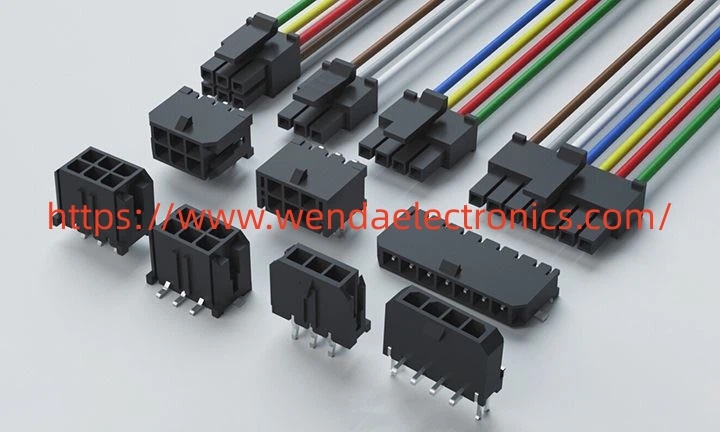
Battery-powered equipment is increasingly used in environments where electrical components may encounter rain, splashes, condensation, dust, or frequent cleaning. These conditions make the design of connection points especially important. When evaluating a Waterproof Battery Connector, product designers need to consider more than the ability to join electrical contacts. The connector must also protect sensitive connection areas, maintain mechanical stability, and fit the equipment's installation environment. Its materials, sealing structure, assembly process, and maintenance requirements all contribute to the suitability of the complete connection system.
Material selection is central to connector durability. Conductive terminals are commonly made from copper or copper alloys because these materials offer useful electrical and mechanical properties. Surface plating may be applied to support stable contact behavior and help protect metal surfaces against oxidation. The insulating housing is equally important because it separates conductive parts and provides a structure for the sealing elements. Engineering plastics are often considered for their combination of insulation, moldability, and mechanical strength. Sealing components may use elastomeric materials selected for their ability to maintain contact with mating surfaces. Buyers should consider how these materials respond to moisture, temperature changes, chemicals, and repeated handling. Compatibility between the terminal, housing, and seal is more important than evaluating each material independently.
A suitable connector should be selected according to the environment and purpose of the battery-powered product. Outdoor lighting, portable equipment, electric mobility products, industrial devices, and energy storage systems may have different exposure conditions and installation requirements. Buyers should identify where the connector will be positioned, whether it may face direct water exposure, and how often the connection will be handled. They should also establish whether the connector needs to be disconnected during routine maintenance or remain permanently installed. Cable entry direction, mounting arrangement, available space, and compatibility with the battery system are additional considerations. Reviewing the complete application helps prevent a common purchasing mistake: choosing a connector based only on its appearance or general waterproof description without checking its suitability for the actual environment.
The sealing structure is one of the defining features of a moisture-resistant electrical connection. Depending on the design, protection may involve gaskets, molded seals, compression elements, or closely fitted housing components. When the connector is properly mated, these features help limit the entry of water and other contaminants into the contact area. The sealing arrangement must work together with the connector's locking structure. If the two halves are not fully engaged, the intended protection may be reduced. Cable seals also deserve attention because moisture can enter through the point where a wire passes into the housing. Manufacturers need to consider the complete path through which water or contaminants might reach the electrical contacts, rather than focusing only on the visible mating surface.
Electrical performance depends on the quality of the contact interface. Terminals must align correctly and maintain suitable contact with their mating components. Surface condition, contact geometry, and mechanical retention all influence connection stability. A secure locking mechanism can help prevent accidental separation caused by movement or vibration, while an appropriately designed housing protects the terminals from unintended contact. Some battery applications also require connectors that make polarity identification straightforward. Clear markings and a design that helps prevent incorrect mating can reduce assembly mistakes. For products involving higher electrical risks, connector selection and installation should follow the battery manufacturer's guidance and relevant electrical safety requirements.
The user experience is shaped by how easily a connector can be installed, connected, inspected, and maintained. A practical locking mechanism should provide clear engagement without requiring unnecessary force. The housing should be comfortable to handle, especially when technicians need to work in confined equipment spaces or wear protective gloves. Clear polarity markings can make installation more intuitive, while a well-designed cable exit can help prevent awkward wire routing. Maintenance teams should also be able to recognize whether a connector is fully engaged and identify visible signs of damage, corrosion, or seal deterioration. Disconnecting procedures should follow the equipment manufacturer's instructions, particularly when the battery system may retain electrical energy.
Design and appearance influence how the connector integrates with the finished product. A compact housing can help equipment designers organize wiring within restricted spaces, while different housing shapes can support specific mounting and connection arrangements. Color selection may help distinguish positive and negative connections or separate connector types during assembly. The external surface should be practical to clean and inspect, and the overall structure should protect the sealing components from unnecessary damage during handling. Cable orientation and strain relief also affect the appearance and organization of the finished installation. A carefully designed connector combines a neat physical profile with functional protection and convenient access.
Zhejiang Wenda Electronics Co., Ltd. provides electronic connector solutions for businesses developing battery-powered equipment and other electrical products. When evaluating a connector for a particular application, customers can discuss the operating environment, cable arrangement, contact materials, sealing requirements, installation method, and maintenance expectations with the company. Sharing these details helps clarify the required connector structure and its compatibility with the wider electrical system. Further information about the company's products and connector solutions is available at https://www.wendaelectronics.com.

