


Reliable Production Technology for Modern Car Designs
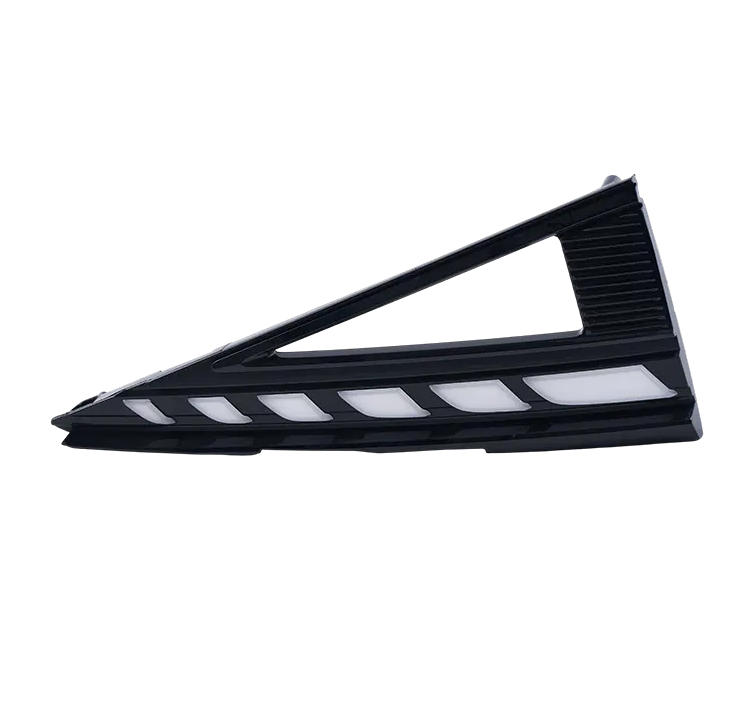
The production of automotive components involves much more than forming plastic or metal into a required shape. Modern vehicle parts must fit accurately within complex assemblies, maintain their intended function under different operating conditions, and meet consistent appearance standards. Injection-molded plastic components are especially important because they allow manufacturers to combine lightweight construction with detailed geometries and integrated functional features. Effective Molding Car Parts requires a coordinated process covering product design, material preparation, mold development, machine settings, inspection, and production management.
The first stage is understanding the component's role within the vehicle. Interior parts may prioritize appearance, touch quality, dimensional stability, and resistance to repeated use. Exterior components may face weather exposure, temperature changes, vibration, and contact with other materials. Functional parts near electrical or mechanical systems may require additional attention to heat resistance, chemical compatibility, or mechanical strength. These differences influence the resin selection and the design of the component itself. A clear understanding of operating conditions helps engineers avoid choosing materials or structures that are unsuitable for the intended application.
Product geometry has a direct effect on manufacturing performance. Wall thickness, reinforcing ribs, mounting bosses, clips, and curved surfaces all influence how polymer fills and cools inside the mold. Uneven wall thickness may create different cooling rates, leading to sink marks or distortion. Excessively thick features can increase cycle time, while insufficient draft may make release difficult. Engineers should consider the relationship between structural requirements and molding feasibility during the design stage. When possible, simplifying difficult features can improve manufacturability without changing the component's essential function.
Material preparation is another important part of consistent production. Different thermoplastics require different storage, drying, and handling conditions. Some engineering plastics are sensitive to moisture, which may affect surface appearance or mechanical properties during processing. Material batches should be managed carefully, and any colorants or additives must be compatible with the selected resin and product requirements. Stable material preparation gives the molding process a more predictable starting point and reduces variation that might otherwise be mistaken for a tooling or machine problem.
The mold determines how accurately the component can be reproduced. Its cavity and core establish the final geometry, while gates and runners control material distribution. Venting allows displaced air to escape during filling, reducing the risk of burn marks and incomplete sections. For complex parts, engineers may use simulation to study filling behavior, pressure distribution, weld-line formation, and potential air traps. This analysis can help identify design risks before mold construction. However, actual production trials remain necessary because material variation, machine characteristics, and processing conditions can influence the final result.
Machine control is essential for maintaining a stable molding cycle. Injection speed affects how quickly the cavity fills, while holding pressure helps compensate for material shrinkage before the gate solidifies. Melt temperature and mold temperature influence flow, surface replication, and cooling behavior. Cooling time must be sufficient to allow the component to retain its shape during ejection. These settings should be established through systematic trials and adjusted according to the part geometry and resin characteristics. Relying on undocumented adjustments can make production difficult to reproduce across machines or manufacturing shifts.
Cooling and ejection need to work together to protect the component. A balanced cooling system helps reduce uneven shrinkage and dimensional variation. Cooling channels should be designed around the areas that retain heat, while maintaining access for cleaning and maintenance. Ejector pins, sleeves, and other release mechanisms must distribute force appropriately so that the part can be removed without damage. For components with deep ribs or thin sections, ejection design is especially important because excessive force may cause bending, whitening, or surface marks.
Quality inspection should cover both individual dimensions and overall functional performance. Visual checks can identify flash, sink marks, short shots, discoloration, and surface imperfections. Dimensional measurements confirm whether mounting features, locating points, and assembly interfaces remain within approved tolerances. Where appropriate, trial parts can also be fitted with neighboring components to verify alignment and clearance. Inspection results should be recorded so that production teams can compare batches and identify gradual changes in the process.
Once regular production begins, process monitoring and preventive maintenance help preserve quality. Operators should follow established machine settings, material-handling procedures, and inspection plans. Mold maintenance should include cavity cleaning, vent inspection, lubrication, and checks of moving components. Cooling performance should also be monitored because blocked or restricted channels may affect both cycle time and dimensional stability. A documented maintenance schedule makes it easier to identify recurring problems and plan servicing before unexpected downtime occurs.
Successful automotive manufacturing depends on cooperation between product developers, mold makers, material suppliers, and production teams. Clear technical communication helps ensure that drawings, resin grades, inspection criteria, and revision requirements remain aligned throughout the project. Taizhou Renxin Mould Co., Ltd. works with customers on automotive tooling projects that require careful engineering and reliable production support. Buyers can explore its capabilities at https://www.rxmolds.com and discuss their Molding Car Parts requirements, from initial design evaluation to mold development and production validation.

