


10 Essential Medical Tests Everyone Should Know About
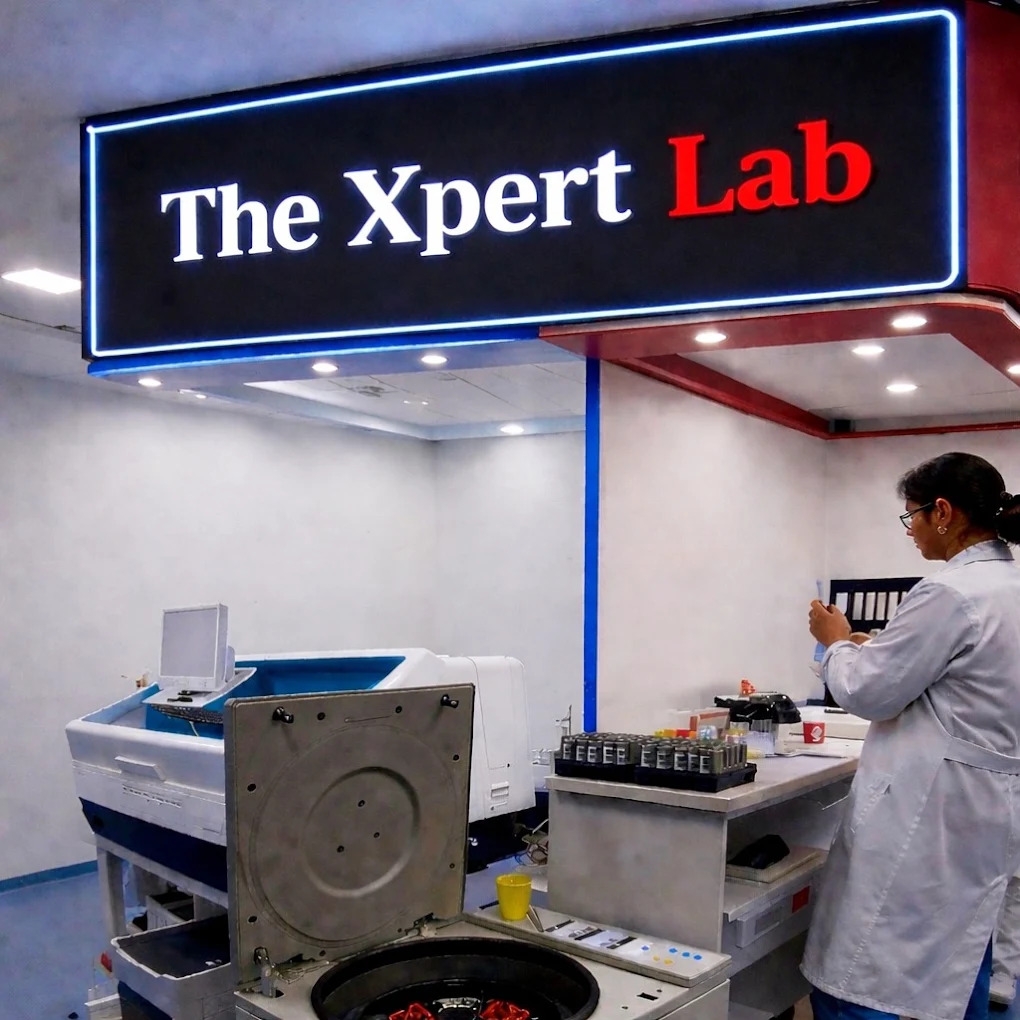
Maintaining good health is not just about eating nutritious food and exercising regularly; it also involves understanding what is happening inside your body. Regular health checkups and medical tests can help identify potential health problems before they become serious. Whether you are monitoring an existing condition or simply taking preventive measures, choosing a reliable Pathology Lab in Delhi can make your healthcare journey easier. Medical tests provide valuable information about your overall health and help doctors recommend appropriate treatments and lifestyle changes.
Why Are Regular Medical Tests Important?
Many health conditions, including diabetes, high blood pressure, kidney disease, and thyroid disorders, may develop without noticeable symptoms. Regular medical screening helps detect these conditions at an early stage. Early diagnosis can improve treatment outcomes, reduce complications, and help you make informed decisions about your health.
Here are ten essential medical tests everyone should know about.
1. Complete Blood Count (CBC)
A Complete Blood Count is one of the most commonly recommended medical tests. It measures different components of your blood, including red blood cells, white blood cells, hemoglobin, and platelets.
A CBC test helps identify conditions such as anemia, infections, and certain blood disorders. Doctors may recommend it during routine health examinations or when symptoms such as weakness, fatigue, or frequent infections occur.
2. Blood Sugar Test
Blood sugar testing measures the amount of glucose present in your blood. It is particularly important for identifying and monitoring diabetes and prediabetes.
Common blood glucose tests include fasting blood sugar, postprandial blood sugar, and random blood sugar tests. Regular monitoring helps individuals understand their glucose levels and manage their health effectively.
3. Lipid Profile Test
A lipid profile measures different types of fats in your blood, including total cholesterol, LDL cholesterol, HDL cholesterol, and triglycerides.
High cholesterol levels can increase the risk of cardiovascular diseases. This test helps doctors assess your heart health and recommend dietary improvements, physical activity, or medication when necessary.
4. Liver Function Test (LFT)
The Liver Function Test evaluates how well your liver is working. It measures enzymes and proteins such as ALT, AST, bilirubin, and albumin.
LFTs can help identify potential liver problems, including inflammation, fatty liver disease, and other liver-related conditions. Doctors may recommend this test when monitoring liver health or certain medications.
5. Kidney Function Test (KFT)
Kidneys play an essential role in filtering waste products and excess fluids from the blood. A Kidney Function Test measures parameters such as creatinine, blood urea, and estimated glomerular filtration rate (eGFR).
This test helps assess kidney health and detect possible kidney-related problems. It is particularly useful for individuals with diabetes, hypertension, or other risk factors for kidney disease.
6. Thyroid Function Test
The thyroid gland regulates several important body functions, including metabolism, energy levels, and temperature regulation.
A thyroid function test generally measures TSH, T3, and T4 levels. It helps identify thyroid disorders such as hypothyroidism and hyperthyroidism. People experiencing unexplained weight changes, tiredness, or hair loss may be advised to undergo thyroid testing.
7. Vitamin D Test
Vitamin D is important for maintaining healthy bones, supporting calcium absorption, and promoting normal muscle function.
A Vitamin D test measures the level of 25-hydroxyvitamin D in your blood. Low levels may contribute to bone weakness and other health concerns. Doctors may recommend this test if you have symptoms or risk factors associated with vitamin D deficiency.
8. Vitamin B12 Test
Vitamin B12 supports nerve function, red blood cell production, and DNA synthesis. A deficiency can cause fatigue, weakness, numbness, and certain types of anemia.
A Vitamin B12 test helps determine whether your body has sufficient levels of this essential nutrient. It can be particularly useful for people following restrictive diets or experiencing symptoms of deficiency.
9. Urine Routine and Microscopy Test
A urine routine test examines the physical, chemical, and microscopic characteristics of urine.
It can help identify signs of urinary tract infections, kidney problems, and other health conditions. Doctors may also recommend urine testing to monitor certain chronic diseases.
10. ECG (Electrocardiogram)
An Electrocardiogram records the electrical activity of your heart. It helps doctors evaluate heart rhythm and identify certain cardiac abnormalities.
An ECG may be recommended for individuals experiencing chest discomfort, palpitations, dizziness, or other symptoms that require cardiac assessment.
Where Can You Get These Medical Tests Done?
Getting medical tests done has become more convenient with professional diagnostic services. Choosing a trusted Diagnostic Centre in Delhi can help ensure access to essential laboratory investigations and accurate reporting.
For people with busy schedules, Blood Test at Home in Delhi services offer additional convenience. Home sample collection allows patients to get their blood samples collected without travelling to a diagnostic facility. However, always check the laboratory's quality standards, sample collection procedures, and reporting timelines before booking.
Conclusion
Regular medical testing is an important part of preventive healthcare. Tests such as CBC, blood sugar, lipid profile, liver function, kidney function, and thyroid screening provide useful insights into your overall health. However, not everyone needs every test annually. The right testing schedule depends on your age, medical history, symptoms, and individual risk factors. Consult your doctor before choosing a health screening package.
If you are planning a routine health checkup, choosing the Best Lab in Delhi can help make the process convenient and reliable. Take a proactive approach to your health today because early detection, timely medical advice, and regular monitoring can make a meaningful difference to your long-term well-being.

