


Soil Compactors: Building Strong and Stable Construction Foundations
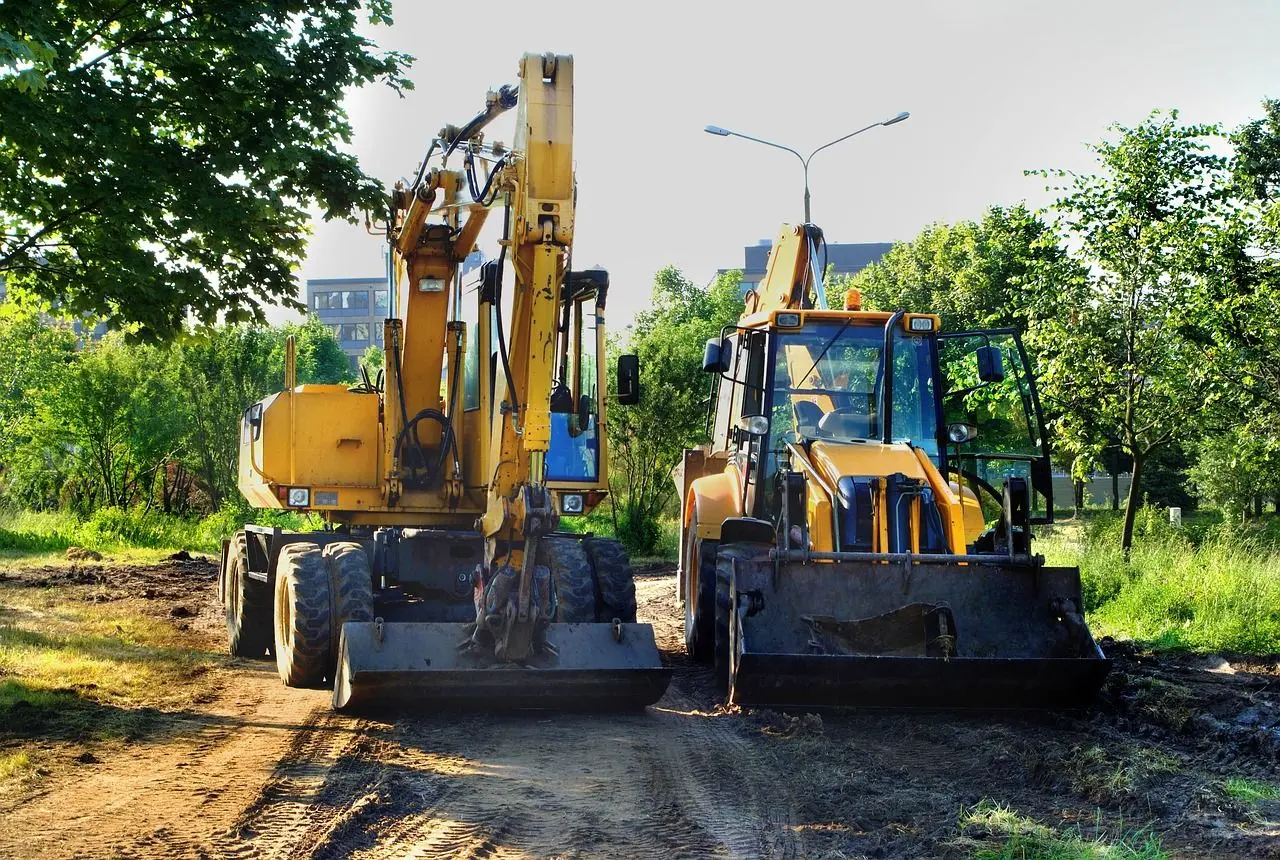
Proper soil compaction is an important part of successful construction. Before roads, buildings, parking areas, or other structures can be developed, the ground must provide a stable base. Soil compactors help reduce air gaps between soil particles, improve ground stability, and prepare surfaces for the next stages of construction.
Why Soil Compaction Matters
Poorly compacted soil can lead to uneven settling, surface cracks, drainage problems, and structural issues. Using suitable compaction equipment helps create a more consistent foundation and reduces the risk of future ground movement.
Different soil types require different compaction methods. Granular materials such as sand and gravel often respond well to vibration, while cohesive soils may require equipment that applies impact or kneading action.
Common Types of Compaction Equipment
Contractors can choose from several machines depending on project size and soil conditions. Smooth drum rollers are commonly used for granular materials and road surfaces. Padfoot rollers are designed for many cohesive soil applications, while plate compactors and jumping jacks are useful in smaller or restricted areas.
Selecting the right machine helps improve productivity and achieve the required compaction results without unnecessary passes.
Choosing the Right Compactor
When comparing soil compaction equipment for sale, buyers should consider operating weight, vibration frequency, centrifugal force, drum width, engine performance, and machine dimensions. The equipment must match the material being compacted and the size of the work area.
For used machinery, inspect the engine, hydraulic components, vibration system, drum, bearings, and overall structural condition. Maintenance records and an operational test can provide valuable information about the machine's reliability.
Improving Compaction Results
Good compaction requires more than powerful machinery. Soil moisture, layer thickness, equipment speed, and the number of passes all influence the final result.
Contractors should follow project specifications and conduct appropriate density testing to verify that the required compaction level has been achieved. Working in manageable layers can help produce more consistent results throughout the site.
Maintenance and Operating Safety
Regular inspections help keep compactors working efficiently. Operators should check fluid levels, filters, hydraulic hoses, vibration components, tires or drums, and safety controls according to manufacturer recommendations.
Proper training is also important. Workers should understand safe operating distances, ground conditions, and the correct use of compaction equipment around trenches and other restricted areas.

