


Durable Power Plugs for Industrial Electrical Systems
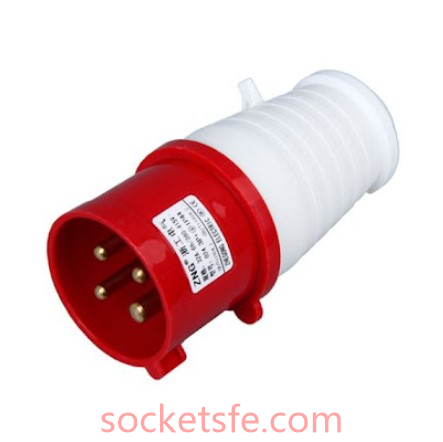
Industrial electrical systems use different connector configurations to meet the power requirements of machinery, production equipment, and distribution installations. The number and arrangement of contacts determine how a plug connects with its matching socket and electrical supply. A 4 Pin Industrial Plug provides a four-contact configuration for compatible applications, with each contact serving a function defined by the relevant connector standard and equipment design. Choosing the correct model requires checking the electrical diagram, voltage, current, grounding arrangement, and mating socket.
The housing provides structural support for the contact assembly and helps separate conductive components from external surfaces. Manufacturers may use engineering plastics or other insulating materials selected for mechanical strength, electrical insulation, and resistance to routine industrial wear. Housing design also influences handling comfort, cable entry, and contact alignment. For equipment used in demanding environments, buyers should consider the material's suitability for temperature variation, vibration, moisture, and potential mechanical impact. These factors can influence the enclosure's long-term performance.
Contact construction is central to the plug's electrical function. Copper and copper-alloy materials are commonly used for their conductive and mechanical characteristics. The position and geometry of each contact must correspond to the mating socket, ensuring that the intended conductors connect correctly. Suitable surface treatments can help manage oxidation and wear caused by repeated connection cycles. Insulating components maintain separation between conductive parts and contribute to the overall electrical safety of the connector.
A four-pin configuration does not automatically indicate one specific wiring arrangement. Depending on the applicable standard and electrical system, the four contacts may serve different combinations of phase conductors, neutral, or protective earth. Buyers should never assume the contact assignment from the number of pins alone. The exact configuration must be confirmed through the manufacturer's wiring diagram and the equipment's electrical documentation. This is particularly important when sourcing connectors for international projects, where connector standards and grounding arrangements may differ.
Industrial applications for four-contact connectors include compatible machinery, production equipment, workshop systems, and specialized power distribution installations. Some applications require a particular contact arrangement for the connected equipment, while others may use a different configuration according to the electrical supply. In addition to the contact layout, buyers should evaluate rated voltage, current capacity, protection level, and the mechanical compatibility of the plug and socket. Selecting a connector based only on its external appearance can result in an unsuitable electrical interface.
Cable connection design also deserves attention. The cable entry must accommodate the selected cable diameter, and the terminals must support the intended conductor type and size. Suitable strain relief helps reduce pulling forces on the electrical terminations during normal equipment movement. During assembly, installers should follow the terminal markings, wiring instructions, and specified tightening procedures. Each conductor must be connected to its correct position, with protective earthing established wherever required by the electrical system.
Environmental conditions can influence the choice of housing and protection level. Indoor production areas may have different requirements from outdoor machinery installations or workshops exposed to dust and moisture. Where water or dust protection is necessary, buyers should verify the documented IP rating and check whether it applies to the complete connected assembly. Mechanical durability is also relevant when plugs are frequently handled or used with movable equipment. The selected connector should match both the electrical and environmental demands of the application.
For distributors, panel builders, and equipment manufacturers, clear product specifications simplify sourcing and integration. Important details include contact arrangement, rated voltage, rated current, protection rating, cable compatibility, housing material, and matching socket series. Consistent documentation helps purchasing teams identify suitable products and reduces the risk of ordering incompatible components. It also supports maintenance planning when replacement connectors are needed.
When choosing a 4 Pin Industrial Plug, buyers should confirm the exact contact assignment and match it with the equipment's electrical requirements and corresponding socket. Evaluating materials, cable installation, and environmental protection together helps ensure that the connector is appropriate for its intended use. For industrial plugs, sockets, and related electrical connection solutions, visit https://www.socketsfe.com to explore available configurations for machinery and power distribution applications.

