


What Materials Should Buyers Consider for Luxin Custom Gear
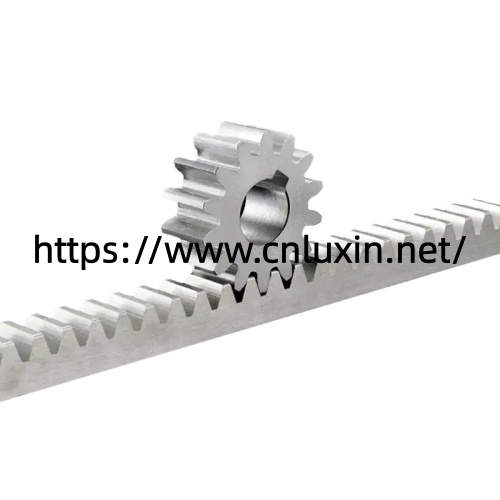
Custom Gear manufacturing begins with a question that many machinery designers face: how can a mechanical component be adapted to the actual needs of a particular machine? In industrial production, standard components do not always match every equipment layout. Differences in installation space, material requirements, movement patterns, and operating environments can make specially developed transmission parts worth considering. For manufacturers and purchasing teams, understanding the relationship between design and production helps make sourcing decisions more practical.
Material selection is one of the earliest decisions in the manufacturing process. Different materials offer different mechanical characteristics, and the right choice depends on how a component will be used. Carbon steel is commonly considered for applications involving mechanical loads and regular contact between moving surfaces. Alloy steel offers additional material options for specific structural requirements. Stainless steel may be considered where moisture or corrosion is a concern.
Engineering plastics also have a place in mechanical transmission systems. Nylon and POM are used in certain applications where reduced weight, lower operating noise, or different friction characteristics are desired. Bronze and brass are also used in particular mechanical arrangements. These materials are not interchangeable in every situation. Buyers should evaluate operating conditions, lubrication, contact surfaces, and environmental exposure before confirming a material choice. Material selection should always relate to the complete assembly rather than an individual component alone.
Another important subject is tooth profile design. The shape and arrangement of teeth influence how two rotating components interact. Straight tooth profiles are commonly found in parallel shaft arrangements, while helical profiles provide a different contact pattern. Bevel configurations are used when motion needs to transfer between shafts positioned at an angle. Worm arrangements are another option for mechanical systems with different transmission requirements.
The choice of structure should begin with the machine itself. Engineers need to consider shaft positions, installation space, surrounding components, and the required movement pattern. A component designed without considering these relationships may create fitting difficulties or affect the operation of the complete assembly. This is why communication between equipment designers and manufacturers matters during the early development stage.
Manufacturing technology brings another interesting dimension to this subject. Machining, milling, hobbing, shaping, grinding, and other processing methods are used according to the required structure and material. Different production methods have different capabilities. The manufacturing route should be selected according to the product drawing, production quantity, material characteristics, and finishing requirements.
Computer aided design also supports the development process. Engineers can use digital models to review tooth geometry, installation relationships, and surrounding structures before production begins. This makes it easier to discuss design adjustments and identify potential interference between connected parts. For projects with unusual structural requirements, a prototype can provide an opportunity to evaluate assembly compatibility before a larger production order is arranged.
Surface treatment deserves similar attention. Heat treatment can influence the mechanical characteristics of suitable metal components, while other finishing processes may address surface appearance or environmental protection. The appropriate process depends on the material and intended working conditions. Buyers should communicate their requirements clearly and discuss how each treatment relates to the finished product. Manufacturing and inspection plans should also account for any changes that may occur during processing.
Noise is another factor that influences equipment design. In workshops, automated production facilities, and household appliances, unwanted mechanical noise can affect the working experience. Tooth contact, lubrication, alignment, material selection, and assembly conditions may all contribute to operating sound. Engineering plastics may be considered for certain lighter applications, while metal components may be appropriate for different mechanical demands.
Maintenance requirements should also be discussed before purchasing. Components operating in dusty or humid environments may require different cleaning and lubrication arrangements. Regular inspection can help identify surface wear, unusual noise, or changes in movement. A suitable maintenance plan depends on the equipment design and the manufacturer's recommendations.
For purchasing teams, choosing a manufacturing partner involves more than comparing product photographs. Communication about drawings, material options, processing methods, inspection requirements, and production arrangements can make cooperation more efficient. Buyers can prepare technical drawings or physical samples to explain their expectations. It is also useful to discuss whether a proposed design can be adjusted to accommodate existing equipment.
Appearance and finishing may seem secondary in industrial applications, but they can still influence product presentation and assembly coordination. Consistent surface finishes, clean tooth profiles, and carefully processed edges contribute to the appearance of finished components. For machinery manufacturers selling complete equipment, these details can become part of the overall product presentation.
At Luxin, manufacturing solutions are connected with the practical requirements of mechanical hardware applications. Different projects may call for different materials, structural arrangements, processing methods, and finishing preferences. By discussing drawings and application conditions before production, buyers can communicate their expectations more clearly and identify suitable manufacturing options. Businesses looking for industrial components and related manufacturing solutions can visit https://www.cnluxin.net/product/ to review the available product range and contact Luxin about their project requirements.

