


Food Ingredients Supplier for Quality Manufacturing Solutions
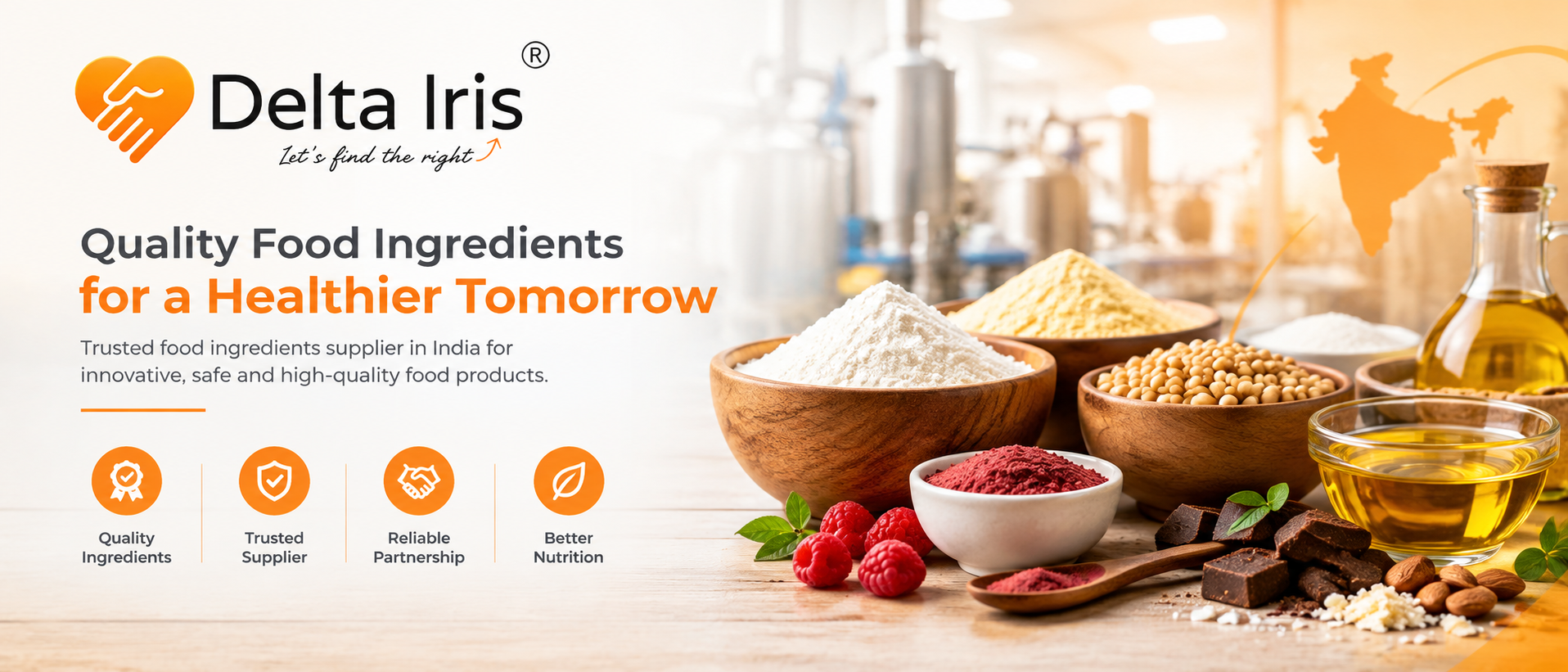
Food Ingredients Supplier: Supporting Quality, Consistency, and Innovation in Food Manufacturing
The food industry continues to evolve as manufacturers respond to changing consumer preferences, new product trends, and increasing expectations for quality and consistency. From packaged foods and beverages to nutritional products and specialty formulations, choosing the right ingredients plays an important role in developing products that meet market requirements. A reliable Food Ingredients Supplier helps manufacturers source suitable ingredients, maintain production standards, and explore opportunities for product innovation.
Beyond supplying raw materials, a dependable ingredient partner can support technical communication, documentation, and ingredient selection. These services help food businesses make informed decisions throughout product development and manufacturing.
Why Choosing the Right Food Ingredients Supplier Matters
Food ingredients influence several important product characteristics, including taste, texture, appearance, stability, and overall performance. Selecting appropriate ingredients can help manufacturers achieve their formulation goals while maintaining consistency across production batches.
An experienced supplier can help businesses evaluate ingredients according to their intended applications, technical specifications, and processing requirements.
Key considerations when selecting a supplier include:
- Product quality: Ingredients should meet agreed specifications and relevant quality requirements.
- Reliable sourcing: Consistent supply helps manufacturers plan production and manage inventory.
- Technical documentation: Clear product specifications and technical data sheets support evaluation and quality control.
- Application suitability: Ingredients should be appropriate for the intended food application and manufacturing process.
- Communication: Responsive support helps resolve questions about specifications, handling, and product selection.
Building a relationship with a suitable supplier can improve procurement planning and support long-term manufacturing objectives.
Understanding Specialty Food Ingredients
Specialty ingredients serve specific functions in food formulations. Their suitability depends on the product category, processing conditions, regulatory requirements, and desired characteristics.
Depending on the application and available product portfolio, manufacturers may evaluate ingredients for purposes such as:
1. Texture and Product Consistency
Ingredient selection can influence thickness, mouthfeel, structure, and physical stability. These characteristics are particularly important in products where consumers expect a consistent experience with every purchase.
2. Shelf Stability and Product Performance
Certain ingredients help manufacturers address formulation challenges related to stability and product performance. The appropriate choice depends on the food matrix, packaging, storage conditions, and intended shelf life.
3. Nutritional Product Development
Food and nutrition manufacturers may require ingredients that support specific nutritional or functional objectives. Technical specifications and suitability for the intended application are essential when assessing these materials.
4. Formulation Flexibility
Specialty ingredients can provide opportunities to refine existing recipes or develop new products. Collaboration between manufacturers and ingredient suppliers can help identify options that align with formulation goals.
Every ingredient should be assessed for its intended use, applicable food regulations, compatibility with other components, and performance under actual processing conditions.
What to Look for in a Food Ingredients Supplier in India
India's food processing sector serves a broad range of manufacturers, from emerging food businesses to established companies supplying domestic and international markets. Choosing an appropriate supplier requires more than comparing prices.
Consider the following factors before making a sourcing decision:
- Transparent specifications: Review the ingredient's identity, grade, technical properties, and application guidance.
- Quality assurance: Ask about quality-control procedures, relevant certificates, and available supporting documentation.
- Regulatory suitability: Confirm that the ingredient and its proposed use comply with the requirements of the destination market.
- Supply chain capabilities: Discuss lead times, order quantities, packaging, and continuity of supply.
- Technical assistance: Determine whether the supplier can help with product evaluation, technical questions, and formulation discussions.
- Clear commercial terms: Understand pricing, minimum order quantities, delivery arrangements, and payment conditions.
A structured supplier evaluation helps procurement and research teams reduce uncertainty and choose ingredients that suit their operational needs.
How Technical Support Helps Food Manufacturers
Ingredient selection often involves several practical questions. Manufacturers may need to understand product specifications, evaluate compatibility with existing formulations, or determine whether a material suits a particular production process.
Technical data sheets provide useful information for preliminary assessment, while additional documentation may be required for quality assurance, regulatory review, and internal approval.
When discussing a potential ingredient with a supplier, businesses should explain the intended application, desired product characteristics, processing conditions, and any relevant compliance requirements.
This information allows the supplier to respond more effectively and helps the manufacturer assess whether the ingredient is suitable for further testing. Where necessary, laboratory trials and formulation validation should be completed before full-scale production.
Delta Iris: Specialty Ingredients and Global Sourcing
Delta Iris Co. is a Mumbai-based specialty chemicals and ingredients supplier serving manufacturers across food, pharmaceutical, nutraceutical, cosmetic, and animal nutrition industries.
With a focus on precision ingredients and global reach, the company works with businesses seeking specialty materials and technical information to support their product requirements. Its stated international presence includes customers in more than 15 countries.
For food manufacturers, clear communication about ingredient specifications and application requirements can help establish a productive sourcing relationship. Requesting technical data sheets and discussing formulation needs with an expert team are useful starting points when evaluating potential ingredients.
Businesses can contact Delta Iris to discuss their requirements, clarify technical questions, and explore suitable sourcing options based on their intended applications.
Questions to Ask Before Purchasing Food Ingredients
Before placing an order, procurement and technical teams should establish a clear understanding of the product and its requirements.
Useful questions include:
- What are the ingredient's technical specifications and intended applications?
- Which quality and regulatory documents are available?
- What are the storage, handling, and transportation requirements?
- Are samples available for preliminary evaluation?
- What are the expected lead times and minimum order quantities?
These questions help businesses compare suppliers objectively and avoid misunderstandings during procurement.
Frequently Asked Questions
1. What does a food ingredients supplier do?
A food ingredients supplier sources and provides ingredients used in food manufacturing. Depending on its services, the supplier may also provide technical documentation, product information, sourcing assistance, and formulation-related support.
2. How can I choose a reliable food ingredients supplier in India?
Evaluate product quality, documentation, regulatory suitability, supply reliability, technical support, and commercial terms. Select a supplier that can clearly address your application's requirements.
3. Why are technical data sheets important?
Technical data sheets help manufacturers understand an ingredient's properties, specifications, handling requirements, and intended applications. They support preliminary evaluation and informed purchasing decisions.
4. Can specialty ingredients support new product development?
Yes. Appropriate specialty ingredients may help manufacturers achieve desired texture, stability, nutritional characteristics, or other formulation objectives. Their suitability should be confirmed through testing and application-specific evaluation.
5. How can manufacturers discuss their ingredient requirements?
Manufacturers can prepare details about their application, formulation objectives, technical specifications, and expected order quantities before contacting a supplier. This makes discussions more focused and helps identify relevant sourcing options.
Contact Delta Iris for Ingredient Enquiries
For enquiries about specialty ingredients, technical documentation, or formulation support, contact Delta Iris Co. by phone or WhatsApp at +91 72083 95696, or email enquiries@deltairis.in. To learn more about its food ingredient sourcing services, visit https://deltairis.com/food-ingredients-supplier-india/
Selecting the right ingredient partner is an important step toward consistent manufacturing and thoughtful product development. By prioritising quality, documentation, technical suitability, and dependable communication, food businesses can make better-informed sourcing decisions and build stronger supply relationships.

