


What Can Buyers Ask relayfactory Before Confirming an Order?
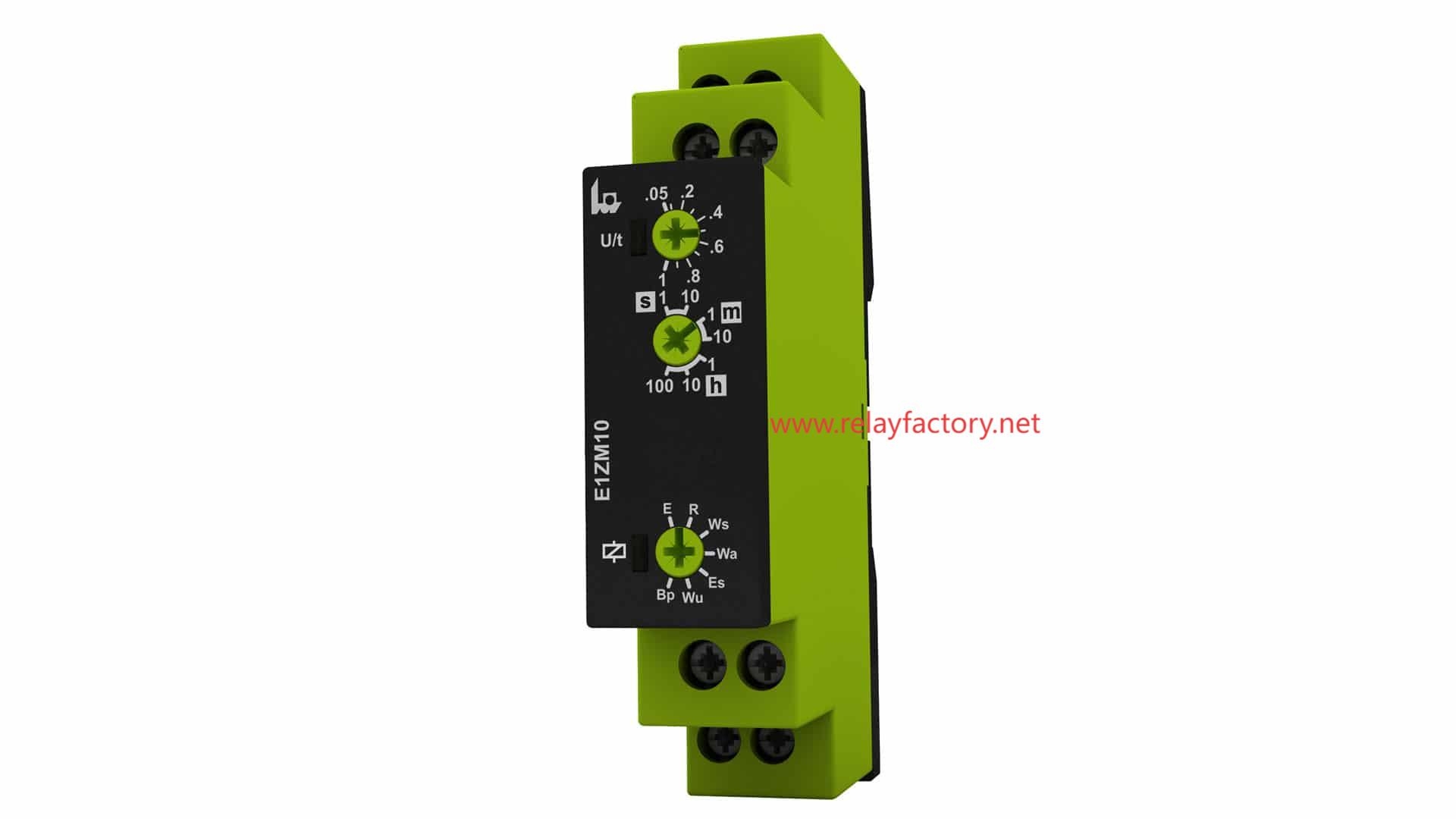
Time Relay Producer selection is an important consideration for businesses purchasing electrical control components for industrial equipment, automation systems, and distribution projects. A suitable manufacturing partner should understand product requirements, maintain organized production procedures, and communicate clearly throughout the purchasing process. Buyers should look beyond quotations and examine how a factory manages technical discussions, component sourcing, inspection, and order fulfillment.
Examine the Factory's Manufacturing Experience
Manufacturing experience can help buyers understand whether a factory is familiar with the requirements of different electrical applications. However, the number of years in business alone does not explain how a company manages its production activities.
Start by reviewing the manufacturer's product range and the types of applications it serves. Check whether its existing products match your purchasing requirements and whether its technical team can explain relevant configurations.
It is also useful to ask about the manufacturing process. Information about component preparation, assembly arrangements, production equipment, and finished-product handling can provide insight into how the factory organizes its daily operations.
For distributors and equipment manufacturers, production experience is particularly relevant when planning repeated orders. A supplier that understands the requirements of different customer groups may be able to communicate more effectively during project preparation.
Check Raw Material and Component Management
The materials used during manufacturing can influence product construction, electrical characteristics, and service conditions. Buyers should therefore ask how the factory manages incoming components and verifies their suitability for production.
A purchasing discussion can include several practical questions:
How are incoming materials inspected?
Are component specifications documented?
How are different material batches identified?
What procedures are followed when materials do not meet requirements?
These questions help buyers understand the manufacturer's material management arrangements.
For products intended for specific industrial environments, it is also important to communicate operating conditions and relevant technical requirements. The manufacturer can then review whether the proposed materials and construction are appropriate for the intended application.
Clear material records can also assist communication when customers request repeat orders or need information about previously supplied products.
Understand Product Inspection Procedures
Inspection is an important part of manufacturing because it helps identify differences between approved specifications and finished products.
Before placing an order, buyers should ask which inspection activities are included in the production process. Depending on the product design, these may involve appearance checks, dimensional measurements, electrical testing, functional verification, and packaging inspections.
It is also useful to understand how inspection results are recorded. Buyers can ask whether the manufacturer provides relevant inspection documents and how nonconforming products are handled.
For larger purchasing projects, sample approval can provide an additional reference before mass production. Buyers should compare the sample with the confirmed drawings and specifications, then arrange application testing where necessary.
The evaluation should include the actual installation conditions and operating requirements. Any requested adjustments should be documented before production continues.
Evaluate Technical Communication and Customization
Different equipment projects may require different product configurations. Some customers need adjustments to dimensions or terminal arrangements, while others may have specific requirements concerning housing materials, markings, or packaging.
Before requesting a quotation, prepare the relevant technical information. Product drawings, photographs, electrical specifications, and application descriptions can help the engineering team understand the project.
Buyers should also ask how the factory handles design revisions. For example, if a drawing changes after sample evaluation, both parties should confirm the updated version before manufacturing begins.
Another important consideration is the manufacturer's ability to explain technical limitations. Not every requested modification will be suitable for every application. Clear discussions about feasibility, development arrangements, and additional costs can help prevent misunderstandings.
For OEM customers, early communication about branding, labeling, and packaging can also make order preparation easier.
Review Production Scheduling and Delivery Arrangements
Production scheduling can directly affect purchasing plans, inventory preparation, and customer commitments. Buyers should therefore discuss expected manufacturing periods before confirming an order.
Ask the supplier how it organizes production according to order quantities and product configurations. It is also useful to understand how schedule adjustments are communicated when material availability or production requirements change.
Delivery discussions should cover packaging methods, shipping arrangements, destination information, and required documentation.
For international distributors, packaging details deserve particular attention. Carton dimensions, product labels, quantity per package, and shipping marks may need to follow specific purchasing instructions.
A written order confirmation can help both parties keep these arrangements clear. It should identify the agreed specifications, quantities, prices, and delivery expectations.
Consider After-Sales Communication and Future Orders
A manufacturing relationship does not end when the products leave the factory. Buyers may need technical documents, replacement information, or assistance with questions arising during equipment installation.
Ask whether the supplier can retain approved product specifications and relevant drawings. Keeping these records can make future purchasing discussions easier, especially when customers need the same configuration again.
It is also helpful to establish a communication channel for product inquiries, quality feedback, and order updates. Clear responsibilities can reduce confusion when several departments participate in a purchasing project.
For distributors, consistent product identification and documentation can also support inventory management. For equipment manufacturers, these details may assist maintenance planning and future product development.
When evaluating a potential supplier, consider its manufacturing arrangements, technical communication, inspection procedures, and ability to coordinate customer requirements. These factors provide a practical basis for assessing whether the cooperation model fits your business plans.For companies sourcing electrical control components, relayfactory offers product information and manufacturing support for different purchasing requirements. Buyers interested in product specifications, manufacturing details, or potential cooperation can visit https://www.relayfactory.net/ to review the available product range and contact the company about upcoming industrial or distribution projects.

