


Selecting Reliable Pumps for Farm Spraying Systems
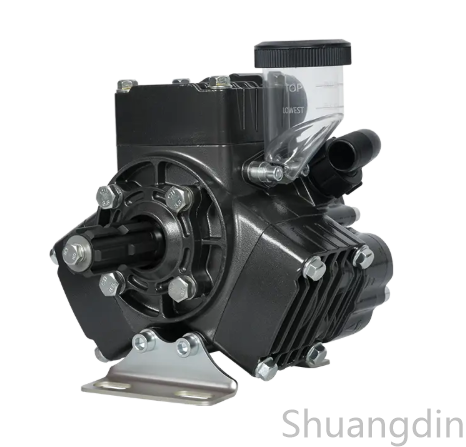
Agricultural spraying is an important part of crop management, helping farmers distribute pesticides, herbicides, fertilizers, and other liquid treatments across fields and growing areas. The equipment must deliver these liquids in a controlled manner while adapting to different crops, application methods, and field conditions. A spray pump used in agriculture plays a central role in this process by drawing liquid from a tank and supplying it to the spraying system. Its performance influences the consistency of liquid delivery, the operation of the nozzles, and the overall reliability of the equipment during fieldwork.
Different agricultural spraying systems use different pump structures, depending on their working requirements and liquid-handling needs. Diaphragm pumps are widely applied in agricultural equipment because their pumping action uses a flexible diaphragm to move liquid through a chamber. As the diaphragm moves, it creates alternating suction and discharge stages. Inlet and outlet valves guide the liquid through the pump, helping maintain a controlled flow. Since the pumped liquid is separated from the main drive mechanism, this structure can be suitable for handling a range of agricultural solutions when the wetted materials are selected correctly.
Material compatibility is one of the first factors to consider when selecting a pump. Agricultural liquids can contain active chemicals, dissolved fertilizers, suspended particles, or additives that affect how materials behave over time. A component that performs well with clean water may not be suitable for every crop treatment formulation. Diaphragms, valve seats, seals, and internal surfaces should be compatible with the intended liquid. Chemical resistance helps reduce swelling, hardening, corrosion, and other forms of deterioration that may lead to leakage or unstable operation. Users should always check the manufacturer's material recommendations against the products they plan to apply.
The pump also needs to work effectively with the rest of the spraying system. Liquid passes from the storage tank through filters and pump components before reaching regulators, distribution lines, and spray nozzles. Each part influences the final application. If the pump cannot provide an appropriate supply for the system's demand, the spray pattern may become uneven or the equipment may experience unnecessary operating stress. The number and type of nozzles, the width of the spraying arrangement, and the characteristics of the liquid should all be considered during equipment selection. A properly matched system supports more predictable spraying performance.
Field conditions can place considerable demands on agricultural machinery. Equipment may operate on uneven ground, encounter dust and moisture, and experience repeated vibration during long working periods. A durable pump housing and secure mounting arrangement help protect the assembly from these conditions. Connections should be tightened and inspected regularly, while hoses should be positioned to avoid rubbing against sharp edges or moving machine components. Proper installation can reduce the risk of leaks and prevent avoidable damage to the pump and connected equipment.
Maintenance practices have a direct effect on service life. Before each operation, users should check the tank connection, inlet filter, hoses, fittings, and visible seals. A blocked filter can restrict liquid supply and affect the pump's operation, while damaged hoses may create leaks or introduce air into the system. After spraying, flushing the equipment helps remove chemical residues that might otherwise accumulate inside the chamber, valves, and distribution lines. Cleaning agents and procedures should be selected according to the chemical formulation and the equipment manufacturer's instructions. Safe handling and disposal practices are also important when working with crop protection products.
Pump selection should reflect the actual needs of the farm rather than relying on a single performance characteristic. A small spraying unit used for localized treatment has different requirements from a larger machine covering extensive crop areas. Users should consider the liquid type, spraying frequency, working environment, system layout, and availability of maintenance support. They should also evaluate whether replacement diaphragms, valves, and seals are accessible. Equipment that is easy to inspect and maintain can reduce downtime during important crop treatment periods.
Manufacturing consistency is another factor behind dependable agricultural pump performance. Accurate component processing, suitable material selection, careful assembly, and functional testing help ensure that the pump operates as intended. Sealing surfaces and valve assemblies require particular attention because they are directly involved in controlling liquid movement. A stable manufacturing process can also make replacement components more consistent, simplifying future servicing for equipment owners and distributors.
The effectiveness of agricultural spraying depends on the coordination of the pump, liquid formulation, distribution components, and operating practices. Choosing a suitable spray pump used in agriculture requires attention to chemical compatibility, system demand, installation quality, and routine care rather than pressure or flow alone. For further information about agricultural diaphragm pump solutions and related equipment, visit SHUANG DIN Co Ltd. at https://www.agriculturaldiaphragmpump.com/about/.

