


Iron Deficiency: Early Warning Signs, Causes and Tests You Should Know About
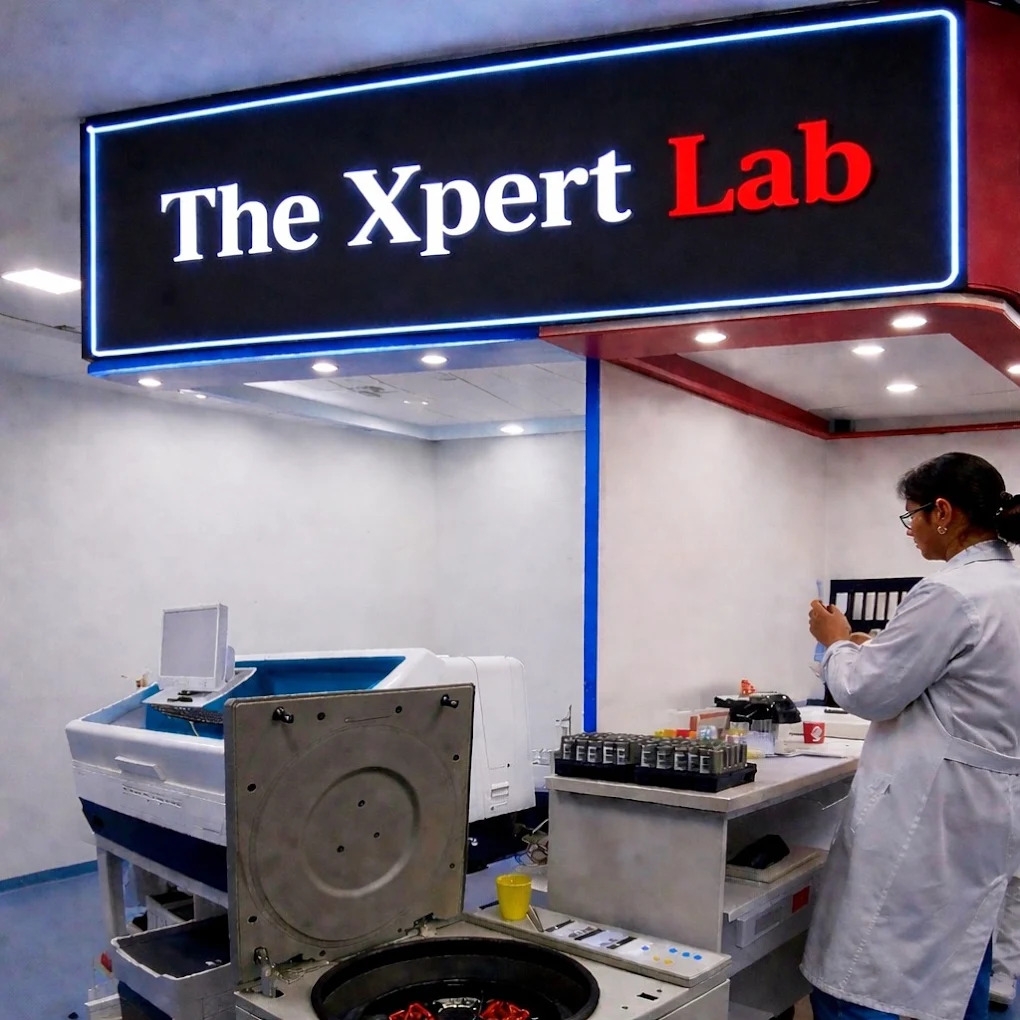
Iron is an essential mineral that plays an important role in maintaining healthy blood and supporting various body functions. It helps the body produce haemoglobin, a protein in red blood cells responsible for carrying oxygen to different tissues and organs. When the body does not receive or absorb enough iron, it can develop iron deficiency, which may eventually lead to iron deficiency anaemia. Recognising the early symptoms is important for timely diagnosis. With convenient Home Sample Collection in Delhi, individuals can access essential blood investigations without travelling to a diagnostic laboratory.
1. What Is Iron Deficiency?
Iron deficiency occurs when the body's iron stores become insufficient to meet its requirements. Iron is necessary for producing haemoglobin and supporting normal cellular functions.
Initially, the body may use its stored iron to maintain normal haemoglobin production. However, if iron levels continue to decrease, haemoglobin production can be affected, eventually leading to iron deficiency anaemia.
This condition can affect children, teenagers, adults, and older individuals. Women with heavy menstrual periods and pregnant women may have an increased risk of developing iron deficiency.
2. Common Causes of Iron Deficiency
Several factors can contribute to low iron levels. Understanding these causes can help individuals identify potential risk factors.
Inadequate Dietary Intake: Not consuming enough iron-rich foods can gradually reduce the body's iron stores.
Heavy Menstrual Bleeding: Women experiencing heavy menstrual periods may lose significant amounts of iron.
Pregnancy: Iron requirements increase during pregnancy because the body needs to support the growing baby and increased blood volume.
Poor Iron Absorption: Certain digestive conditions can interfere with the body's ability to absorb iron from food.
Blood Loss: Gastrointestinal bleeding, injuries, or other sources of ongoing blood loss can contribute to iron deficiency.
3. Seven Early Warning Signs of Iron Deficiency
Iron deficiency may develop gradually, and its symptoms can sometimes be overlooked.
Here are some common warning signs:
-
Persistent Fatigue: Low iron levels can affect oxygen transport and contribute to tiredness.
-
Pale Skin: Reduced haemoglobin may make the skin or inner eyelids appear paler.
-
Frequent Dizziness: Some individuals experience light-headedness or headaches.
-
Shortness of Breath: Reduced oxygen-carrying capacity can cause breathlessness, particularly during physical activity.
-
Brittle Nails: Nails may become weak or break easily.
-
Hair Loss: Iron deficiency may contribute to hair shedding in some individuals.
-
Cold Hands and Feet: Some people experience increased sensitivity to cold.
These symptoms are not exclusive to iron deficiency. Proper medical evaluation is necessary to identify the underlying cause.
4. Which Blood Tests Help Detect Iron Deficiency?
Doctors recommend specific blood investigations to evaluate iron levels and determine whether iron deficiency is present.
Common tests include:
-
Complete Blood Count (CBC): Measures haemoglobin, red blood cells, haematocrit, and other blood parameters.
-
Serum Ferritin: Helps measure the body's stored iron.
-
Serum Iron: Measures the amount of iron circulating in the blood.
-
Total Iron-Binding Capacity (TIBC): Evaluates the blood's capacity to bind and transport iron.
-
Transferrin Saturation: Indicates the percentage of transferrin carrying iron.
A combination of these investigations provides a more complete picture than relying on a single measurement.
5. Why Is a CBC Test Important?
A Complete Blood Count is commonly recommended when doctors suspect anaemia or other blood-related conditions.
It measures several important parameters:
|
CBC Parameter |
Importance |
|---|---|
|
Haemoglobin |
Evaluates oxygen-carrying protein levels |
|
RBC Count |
Measures red blood cell numbers |
|
Haematocrit |
Measures the proportion of blood occupied by red blood cells |
|
MCV |
Measures average red blood cell size |
|
MCH |
Measures average haemoglobin per red blood cell |
|
RDW |
Measures variation in red blood cell size |
Iron deficiency anaemia often produces smaller-than-normal red blood cells, known as microcytosis, and reduced haemoglobin levels.
However, early iron deficiency may occur before haemoglobin becomes low. This is why ferritin testing may also be important.
For individuals planning preventive health screening, a Full Body Checkup in Delhi can help assess multiple health parameters through an appropriate combination of laboratory investigations.
6. Foods That Help Maintain Healthy Iron Levels
A balanced diet can support healthy iron levels and reduce the risk of nutritional deficiencies.
Consider including the following foods:
-
Green Leafy Vegetables: Spinach and other leafy greens provide non-haem iron.
-
Pulses and Legumes: Lentils, chickpeas, and beans are useful plant-based sources.
-
Nuts and Seeds: Pumpkin seeds and sesame seeds contain iron.
-
Animal-Based Foods: Meat, fish, and poultry provide haem iron, which is generally absorbed more easily.
-
Fortified Foods: Certain cereals and other fortified products provide additional iron.
Combining plant-based iron sources with vitamin C-rich foods such as oranges, guavas, and tomatoes can improve iron absorption.
7. When Should You Get Tested?
You should consult a healthcare professional if you experience persistent fatigue, unexplained weakness, dizziness, or other possible symptoms of iron deficiency.
Testing may also be recommended for individuals with heavy menstrual bleeding, pregnancy, digestive conditions, or a history of blood loss.
Avoid taking iron supplements without medical advice. Excess iron can be harmful, and treatment should address the underlying cause of the deficiency.
Conclusion
Iron deficiency can gradually affect energy levels, oxygen transport, and overall health. Recognising early symptoms and undergoing appropriate investigations can help identify the condition before it progresses. Tests such as CBC, serum ferritin, and iron studies provide useful information about the body's iron status. For convenient diagnostic services, explore Online Blood Test in Delhi with The Xpert Lab to arrange home sample collection and access essential laboratory investigations.

