


Managing Employee Access More Effectively as Your Business Grows
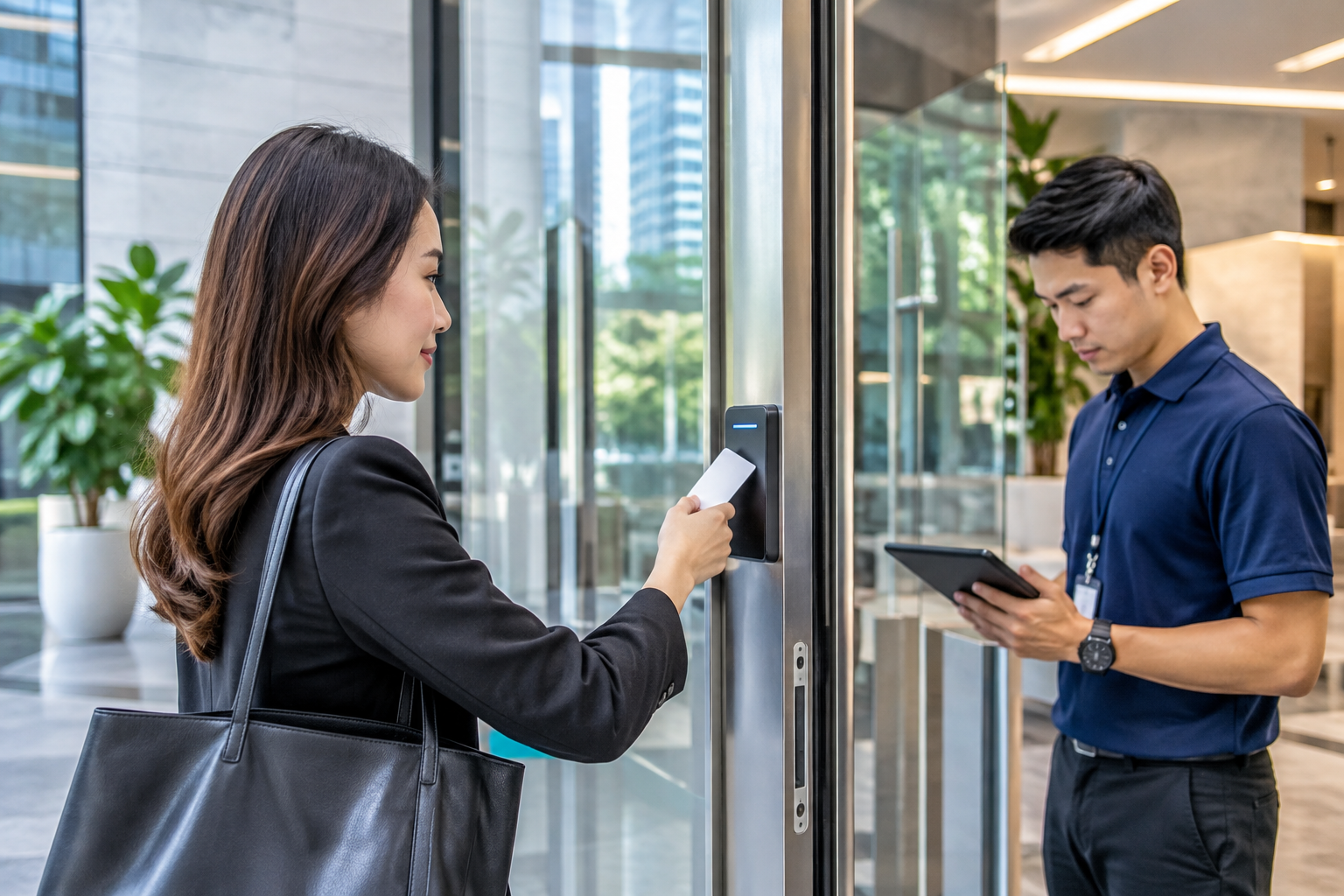
Business growth often brings new opportunities, additional employees and larger operational requirements. However, expansion also creates security challenges that are easy to overlook. As teams become bigger and departments take on different responsibilities, managing who can enter particular areas becomes increasingly important. A workplace that once relied on a few physical keys may eventually need a more organised approach to entry management.
For many companies in Singapore, security is not simply about preventing outsiders from entering the premises. It is also about ensuring that employees, contractors and authorised visitors can access the areas relevant to their responsibilities without compromising other parts of the business. This is where a properly planned access control system can support a more structured and manageable workplace.
Why Employee Access Management Becomes More Complicated Over Time
A small business may initially operate with a straightforward arrangement. A few employees share access to the office, management keeps spare keys and restricted rooms are secured separately. This approach may appear sufficient when the organisation has a limited workforce.
As the company expands, however, responsibilities become more varied. Finance teams may need access to confidential records, IT personnel may require entry to server rooms, and warehouse employees may need access to operational areas. Giving everyone unrestricted access is rarely a sensible long-term approach.
The challenge becomes more noticeable when employees move between departments, take on new responsibilities or leave the organisation. Without a clear process, access permissions may not reflect the company's current workforce structure. This can create unnecessary security exposure and administrative difficulties.
Establishing Access Permissions Based on Job Responsibilities
An effective access management strategy begins with understanding how the premises are used. Business owners and facility managers should identify which areas are open to all employees and which require additional restrictions.
For example, a reception area may be accessible to employees and approved visitors, while management offices, storage rooms and IT facilities may require separate permissions. A finance department may also need a different access arrangement from a general working area.
An access control system can help organisations apply these distinctions through individual access credentials and defined permissions. Instead of relying entirely on physical keys, authorised users can be assigned access according to their roles and operational requirements.
This approach makes access administration more consistent. It also allows management to review whether permissions remain appropriate when an employee changes position or moves to another department.
Why Individual Credentials Matter
Shared keys and access cards can make it difficult to establish who is responsible for entering a particular area. If several people use the same credential, identifying the person associated with an entry event becomes more challenging.
Individual credentials provide a more organised alternative. Depending on the selected technology, users may be assigned access cards, PIN codes, biometric credentials or other approved methods. Each credential should be issued and managed according to a documented company process.
Businesses should also establish clear procedures for reporting lost credentials. A missing card should not be treated as a minor administrative issue, especially if it provides access to sensitive areas. Management should know who is responsible for reviewing and updating permissions.
Managing Employee Departures and Role Changes
Employee movement is a normal part of business operations. Staff members resign, contracts end and departments are reorganised. Access arrangements must keep pace with these changes.
When an employee leaves, their access rights should be reviewed and withdrawn according to the organisation's established offboarding procedure. The same principle applies when an employee transfers to another department or no longer needs access to a particular room.
A documented process helps reduce the risk of forgotten permissions. It should identify the person responsible for notifying the relevant security or facilities team and confirming that the necessary changes have been completed.
For businesses with multiple locations, this process becomes even more important. A consistent policy can help management maintain oversight across different offices, warehouses or operational sites.
Supporting Security Without Disrupting Daily Work
Security measures should not create unnecessary obstacles for employees. If authorised staff regularly experience access delays, operational frustration may develop and people may look for informal ways to bypass established procedures.
The right solution should reflect actual working patterns. For example, employees who work different shifts may need different access schedules, while maintenance personnel may require temporary permissions for specific tasks.
A well-planned access control system can help balance protection with convenience by allowing access arrangements to be designed around operational needs. The objective is not to restrict every movement. It is to ensure that access is appropriate to the user's responsibilities.
Businesses should consider factors such as employee numbers, operating hours, the number of secured doors and the type of credentials suitable for their environment before selecting a solution.
Reviewing Access Rights as Part of Regular Security Management
Installing electronic access equipment is only one part of an effective security strategy. Permissions should also be reviewed periodically to ensure that they remain accurate.
A review may identify employees who have changed roles, contractors whose assignments have ended or access privileges that are no longer required. It can also help management understand whether certain doors need different security arrangements.
The review frequency should reflect the organisation's risk profile and operational complexity. A business with sensitive information or several restricted areas may require more frequent checks than a small office with limited access requirements.
Keeping records of access policy changes, credential issuance and permission reviews can also support internal accountability.
Choosing a Solution That Can Adapt to Business Expansion
A security arrangement that works for a small office may not be suitable after the company expands. Businesses should therefore consider future requirements before committing to a particular solution.
Important considerations include the number of entry points, expected workforce growth, the possibility of additional premises and whether the system can integrate with other security infrastructure. Network reliability, ongoing maintenance and technical support should also be part of the evaluation.
It is useful to discuss these requirements with an experienced provider before installation. A proper assessment can help identify practical limitations and avoid selecting equipment that does not match the premises.
Make Employee Access Management More Organised with COMNET
Managing employee access should become more structured as a business grows. Clear permissions, individual credentials and regular reviews can help Singapore companies protect restricted areas while allowing employees to carry out their responsibilities efficiently.
COMNET provides physical access control solutions for businesses looking to strengthen premises security and improve entry management. If your organisation is reviewing its current security arrangements or planning an upgrade, explore COMNET's access control system solutions at https://www.comnet.sg/physical-access-control-systems/ and discuss an approach that suits your workplace requirements.

