


How to Plan Home Décor for a More Comfortable Living Space
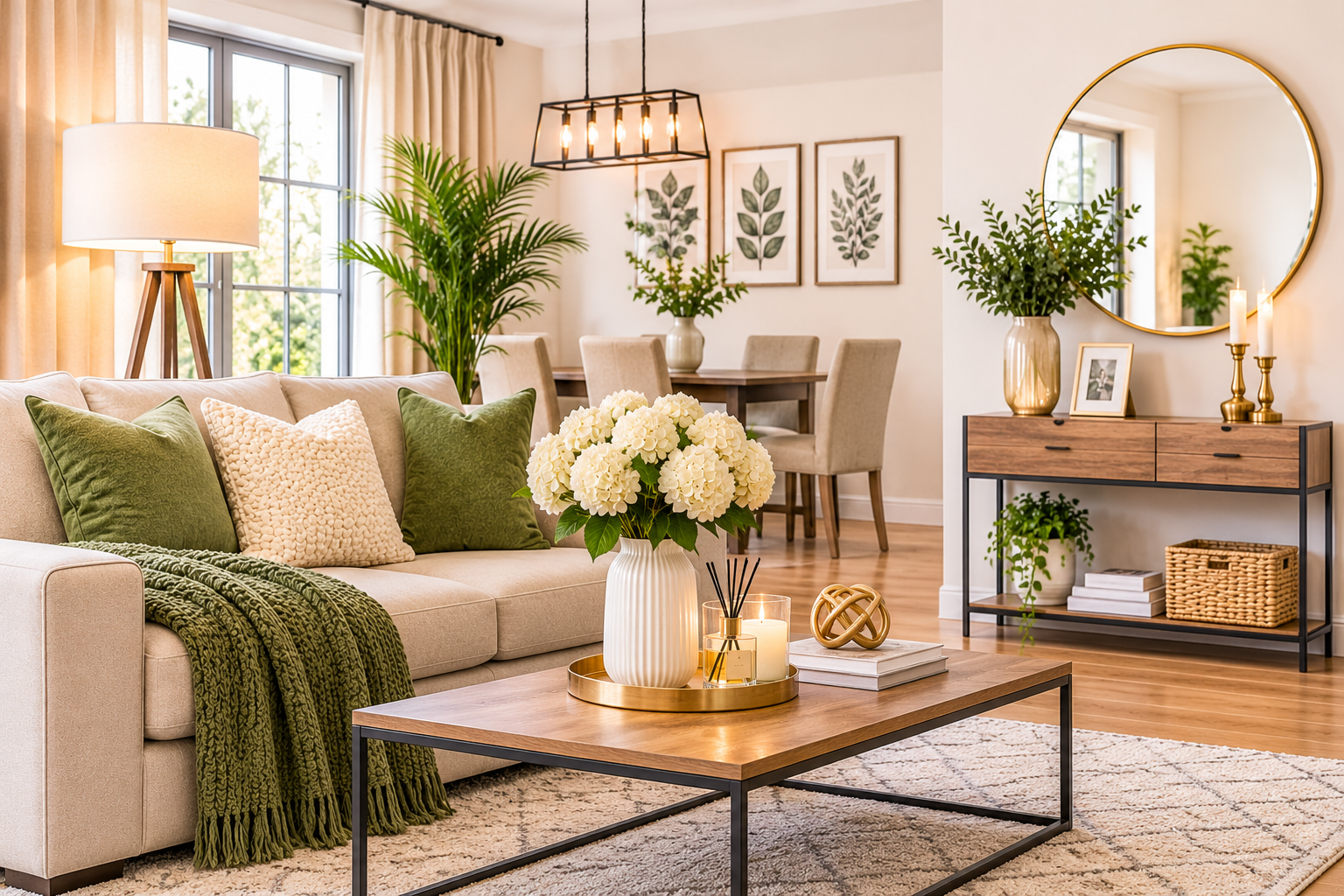
A well planned interior should look appealing while supporting the way people use their homes. Furniture, colours, lighting and room layouts all contribute to the overall atmosphere. Instead of choosing individual items without a clear direction, it helps to consider how the different elements will work together.
For inspiration when planning a room update, explore the home décor category. Think about the purpose of each room, the furniture you already own and the changes that would make the space more comfortable.
Decide How You Want to Use Each Room
Start by considering the main purpose of the room. A living room may need comfortable seating and enough space for movement, while a bedroom should support rest and relaxation. A dining area needs a practical arrangement that allows people to sit and move around comfortably.
Your room's purpose should guide your decorating decisions. For example, a busy family living room may benefit from a simple layout with accessible surfaces, while a quieter reading area could focus on comfortable seating and suitable lighting.
Making these decisions first helps prevent unnecessary purchases and keeps the decorating process focused.
Create a Colour Scheme
Colour influences how a room feels and how different furnishings work together. Before choosing new décor, look at the existing wall colours, flooring and larger furniture pieces.
A simple colour scheme can help create a coordinated appearance. Choose a main colour, a supporting shade and one accent colour if you want to introduce contrast.
Neutral colours can provide a flexible background, while stronger shades can add character through selected furnishings or decorative features. You do not need to use the same colours throughout your home, but connecting a few shades between nearby rooms can help create a natural flow.
Arrange Furniture Around Everyday Movement
Furniture placement affects both appearance and usability. A room may contain attractive pieces but still feel uncomfortable if people cannot move around easily.
Consider the main walking routes and leave enough space between furniture. Avoid blocking doorways, windows or frequently used areas. In shared spaces, arrange seating so people can communicate comfortably without making the room feel cramped.
It is also worth checking the dimensions of furniture before changing the layout. Measuring the available area can help you understand whether a new item will fit and leave enough room for movement.
Use Lighting to Support the Room
Lighting plays an important role in interior design. A room with suitable lighting can feel more welcoming and work better for different activities.
Make use of natural light where possible by keeping windows accessible and avoiding unnecessary obstructions. For areas used in the evening, consider how the existing lighting supports reading, relaxing or other activities.
Different rooms may need different lighting arrangements. A living area may benefit from a combination of general and focused lighting, while a bedroom may need softer illumination for a more relaxing atmosphere.
Add Décor Without Overfilling the Space
Once the main layout and colour scheme are established, consider the decorative details. Wall décor, mirrors, ornaments and other accents can help give a room more personality.
Choose items that complement the overall design rather than competing with it. Pay attention to their size and placement, particularly in smaller rooms. Leaving some surfaces and wall areas clear can help the space feel more balanced.
It is also useful to avoid buying several decorative pieces at once. Introduce items gradually and consider how each one affects the room before adding more.
Review the Room Before Making Final Changes
Take a step back and look at the room as a whole. Check whether the furniture arrangement feels practical, the colours work together and the lighting suits the activities that take place there.
Small adjustments can make a noticeable difference. Moving a piece of furniture, changing the position of a decorative item or removing something unnecessary may improve the space without requiring a major investment.
A thoughtful approach helps create an interior that remains useful and comfortable over time.
FAQs
What should I consider before decorating a room?
Consider the room's purpose, available space, existing furniture, colour scheme and lighting. These factors provide a useful starting point for making suitable decorating decisions.
How can I make different rooms in my home look connected?
Use a few recurring colours, materials or design details across different rooms. The spaces do not need to look identical, but some shared elements can create a more consistent interior.
How do I choose a colour scheme for my home?
Start with permanent features such as flooring, wall finishes and larger furniture. Select colours that complement these elements, then introduce supporting shades through smaller furnishings and décor.
Can furniture placement change how large a room feels?
Yes. Keeping walking routes clear and avoiding overcrowded arrangements can make a room feel more open. Furniture that suits the available dimensions also helps maintain a comfortable layout.
What is the best way to refresh a room without a full makeover?
Review the existing layout first. Rearranging furniture, improving lighting and updating selected decorative details can change the room's appearance without replacing everything.

