


Post-Tensioning Systems in India: Understanding Bonded and Unbonded Construction Solutions
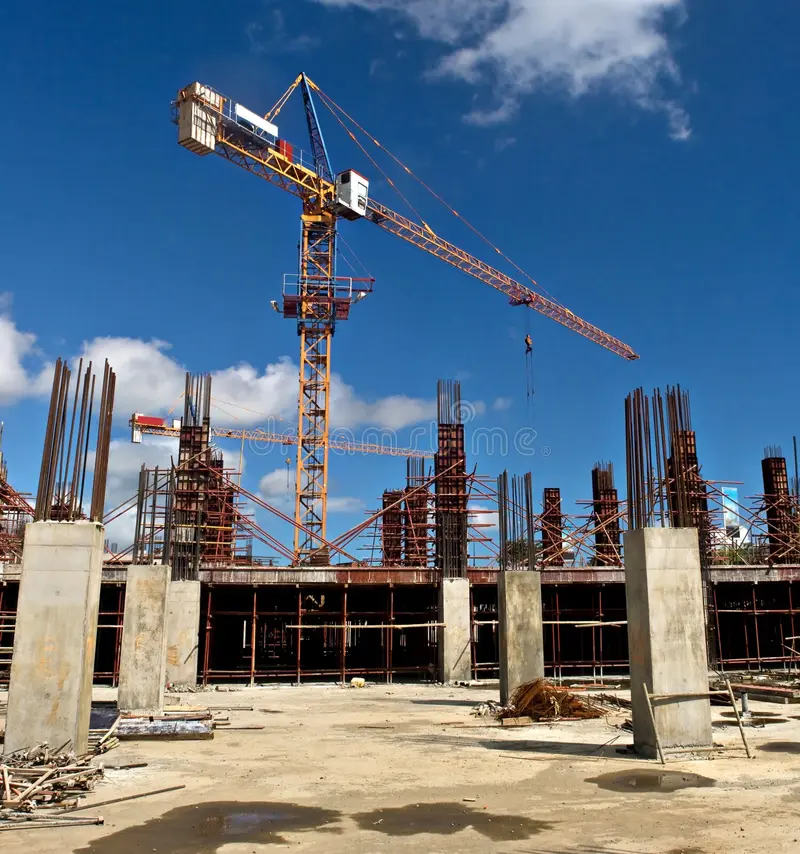
The construction industry in India is evolving with new technologies and methods that help create strong, durable, and efficient structures. Residential towers, commercial buildings, industrial facilities, and infrastructure projects often require construction solutions that offer structural strength along with greater design flexibility. Post-tensioning is one such technique that helps engineers meet these requirements through the effective use of high-strength steel tendons.
Post-tensioning is a specialised concrete construction method in which steel tendons are tensioned after the concrete reaches the specified strength. This process introduces compression into the concrete and helps the structure resist tensile stresses caused by applied loads. When properly designed and installed, it may also support longer spans and more flexible building layouts.
However, successful post-tensioning requires careful engineering, suitable materials, trained workers, and proper quality control. Understanding the available systems, particularly bonded and unbonded post-tensioning, can help developers and contractors make informed decisions for their projects.
A post-tensioning system consists of different components that work together to introduce the required force into a concrete structure. These may include high-strength steel tendons, anchorage components, ducts or protective sheathing, and specialised stressing equipment.
The tendons are positioned according to the approved structural drawings. Once the concrete reaches the specified strength, the tendons are tensioned using hydraulic equipment and secured through anchorage components. The applied force introduces compression into the concrete, helping it manage the stresses that develop under loading.
Post-tensioning may be considered for residential buildings, commercial complexes, parking structures, industrial facilities, bridges, and other concrete construction projects. Its suitability depends on structural calculations, building geometry, loading conditions, material specifications, and site requirements.
When evaluating a Post Tensioning Systems Company India, project owners should consider technical knowledge, installation planning, quality procedures, and the ability to coordinate with structural engineers. The selected system must always follow the project's approved engineering design.
Modern construction projects often require open floor spaces, practical layouts, and efficient structural arrangements. Post-tensioning can provide engineers with additional flexibility when designing concrete structures.
One potential advantage is the ability to achieve longer spans in suitable applications. This may reduce the need for certain intermediate columns and create more usable space in commercial buildings, parking areas, and residential developments.
Post-tensioning may also help engineers optimise slab thickness and material quantities, depending on the structural design. It can support different architectural requirements while maintaining the necessary structural performance.
However, these benefits are not guaranteed in every project. The final results depend on the design, applied loads, concrete quality, tendon arrangement, installation process, and site conditions. A qualified structural engineer should determine whether post-tensioning is appropriate for the proposed structure.
Unbonded post-tensioning is a system that generally uses individual high-strength steel tendons protected with a coating and an outer protective sheath. These tendons are installed according to the approved structural drawings and can move relative to the surrounding concrete along their length.
After the concrete reaches the specified strength, the tendons are tensioned using specialised equipment and secured through anchorage components. Unlike conventional bonded systems, unbonded systems generally do not require ducts that are filled with grout after stressing.
The coating and protective sheathing are important because they help protect the steel tendon. Therefore, careful handling during transportation, storage, and installation is necessary. Any damage to the protective layers should be addressed according to the approved project procedures.
When researching an Unbonded Post Tensioning Company in India, developers should look for an understanding of tendon protection, anchorage installation, stressing procedures, and site safety. Proper coordination with the structural consultant is also important to ensure that the installation follows the approved design.
Unbonded systems may be suitable for certain floor slabs and other concrete applications. Their selection depends on structural requirements, exposure conditions, maintenance considerations, and the overall construction plan.
Bonded post-tensioning uses high-strength steel tendons placed inside ducts within the concrete structure. The ducts are positioned according to the tendon profiles specified in the structural drawings.
After the concrete reaches the required strength, the tendons are stressed and secured through anchorage components. The ducts are then filled with suitable grout according to the project specifications. Once the grout hardens, it creates a bond between the tendons and surrounding concrete and contributes to corrosion protection.
This system requires careful attention at different stages of installation. Duct alignment, tendon placement, anchorage installation, stressing operations, and grouting quality should all be checked according to the approved procedures.
A professional Bonded Post Tensioning Company in India should understand these requirements and coordinate effectively with the project's structural consultant and construction team. Proper documentation of stressing and grouting activities also helps maintain quality throughout execution.
Bonded post-tensioning may be considered for different types of concrete structures, but its suitability depends on the design, loading conditions, exposure environment, and project specifications.
Choosing between bonded and unbonded post-tensioning should begin with an engineering assessment. Both systems introduce compression into concrete, but their installation arrangements and technical requirements differ.
Structural engineers consider several factors before recommending a system. These include the span requirements, applied loads, building geometry, tendon profile, environmental exposure, construction sequence, and long-term maintenance needs.
The project team should also consider the available workforce, equipment, site conditions, and coordination requirements. A system that is suitable for one building may not be the right choice for another.
It is important to avoid selecting a system only because it is commonly used or appears more economical. The final decision should be based on calculations, project specifications, and recommendations from qualified structural professionals.
Even a properly designed post-tensioning system needs accurate installation to achieve the intended structural performance. Quality control should begin before materials arrive at the construction site and continue through every major installation activity.
The project team should review approved structural drawings and confirm that the materials and components meet the specified requirements. Tendon positioning, anchorage arrangements, and other relevant installation activities should be inspected before concrete placement.
Concrete must reach the specified strength before stressing begins. The stressing operation should follow the approved sequence, and the required measurements should be recorded and reviewed by responsible technical personnel.
For bonded systems, duct condition and grouting quality require particular attention. For unbonded systems, the condition of the protective coating and sheathing should be checked to avoid damage.
Clear communication between the specialist contractor, structural consultant, and main construction team helps address site-related issues and keeps work aligned with the approved plan.
Safety is an essential part of post-tensioning because stressing operations involve high forces. Work areas should be controlled during stressing, and unauthorised personnel should remain away from designated zones.
Workers should receive suitable training and use appropriate protective equipment. Stressing tools and equipment must be suitable for the operation and maintained according to relevant recommendations.
The installation team should follow established procedures under proper supervision. Regular safety checks and clear communication help reduce avoidable risks and support organised construction activities.
1. What is a post-tensioning system?
It is a concrete construction system that uses high-strength steel tendons tensioned after the concrete reaches the specified strength. The process introduces compression into the concrete.
2. What is the main difference between bonded and unbonded systems?
Bonded systems use tendons placed inside ducts that are grouted after stressing. Unbonded systems generally use individually coated and sheathed tendons that can move relative to the surrounding concrete.
3. Where are post-tensioning systems commonly used?
They may be used in residential towers, commercial buildings, parking structures, industrial facilities, bridges, and other concrete structures where the design benefits from post-tensioning.
4. How do I choose a post-tensioning company in India?
Evaluate technical knowledge, relevant project experience, trained workers, suitable equipment, quality-control procedures, safety practices, and coordination with structural engineers.
5. Does post-tensioning always reduce construction costs?
No. It may help optimise structural design in suitable projects, but the actual cost depends on engineering requirements, materials, labour, equipment, and site conditions.
Post-tensioning provides engineers with additional options for designing modern concrete structures. Bonded and unbonded systems offer different installation approaches, and each must be selected according to the project's structural and construction requirements.
For successful execution, attention should be given to engineering design, material quality, skilled installation, safety procedures, and regular inspections. Working with a technically capable specialist and maintaining proper coordination throughout construction can help support the long-term performance and reliability of concrete structures.

