


Material Selection for Reliable Pump Performance
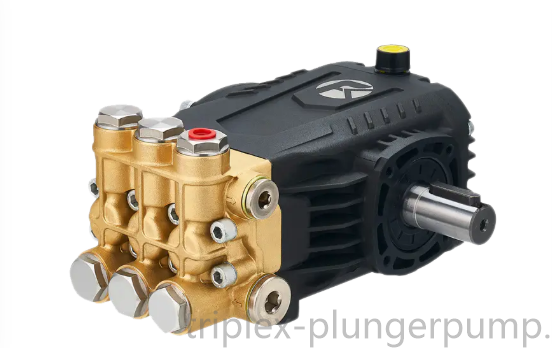
Material selection is an important factor when choosing pumping equipment for industrial applications involving water, cleaning liquids, or other compatible fluids. A Stainless Steel Pump is often considered when corrosion resistance, mechanical durability, and material compatibility are important requirements. Its suitability depends on the liquid composition, operating temperature, pressure conditions, and construction of the fluid-contacting components. For industrial buyers, understanding these factors helps determine whether this material configuration is appropriate for a particular production or maintenance environment.
Stainless steel is valued for its ability to resist corrosion in many operating environments. Its protective surface layer helps reduce oxidation and provides resistance to various forms of chemical exposure. However, different stainless steel grades have different properties, and no single grade is suitable for every liquid. Chloride concentration, chemical composition, temperature, and cleaning procedures can all influence material performance. Buyers should therefore identify the pumped medium accurately before selecting the material specification.
In reciprocating pumping equipment, the fluid end contains several components that directly interact with the liquid. These may include the pump head, valve assemblies, plungers, sealing components, and connecting passages. Stainless steel can be used in selected components to improve resistance to corrosion and support demanding service conditions. The complete material arrangement must still be evaluated because seals, valve seats, and other internal parts may require different materials to ensure compatibility and reliable operation.
A typical triplex plunger design converts rotational mechanical energy into reciprocating movement. The crankshaft drives connecting rods, which move three plungers through alternating suction and discharge strokes. During suction, the inlet valves open and allow liquid to enter the pumping chambers. During discharge, the plungers move forward, closing the inlet valves and pushing liquid through the outlet passages. This process generates pressurized flow for connected industrial equipment.
The mechanical construction contributes significantly to operational reliability. Bearings support the rotating assembly, while connecting rods transfer mechanical force to the plungers. The crankcase provides structural support and contains the lubrication system. Proper lubrication helps control friction and wear, while suitable alignment reduces unnecessary mechanical stress. These components require inspection according to the manufacturer's maintenance recommendations.
Pressure and flow requirements should be established before equipment selection. Pressure represents the resistance the system must overcome, while flow describes the amount of liquid delivered over time. Industrial cleaning applications may require sufficient pressure to remove accumulated dirt, grease, and other deposits. At the same time, adequate flow is needed to transport loosened contaminants away from the cleaned surface. Pump selection should consider the complete operating system rather than focusing exclusively on maximum pressure.
Applications can include industrial machinery cleaning, vehicle washing, production equipment maintenance, workshop operations, and liquid transfer processes. In manufacturing facilities, corrosion-resistant materials may be useful where moisture or certain cleaning agents are present. Some food-processing and hygiene-related environments also require careful material selection and cleaning procedures. However, material suitability and sanitary requirements must be confirmed for each specific application rather than assumed from the use of stainless steel alone.
The quality of the incoming liquid also affects equipment performance. Suspended particles, abrasive contaminants, and unsuitable chemical substances may cause damage even when corrosion-resistant materials are used. An appropriate filtration arrangement can help reduce contamination entering the pumping chamber. The inlet pipeline should be designed to provide an adequate liquid supply without excessive restriction or air leakage. Poor suction conditions can cause cavitation, unstable flow, noise, and premature component wear.
Installation planning should address foundation stability, motor alignment, pipeline arrangement, and accessibility for routine inspection. The inlet and discharge connections must be compatible with the expected operating conditions. High-pressure hoses, fittings, valves, and other accessories should be selected according to the system's requirements. Pressure regulating and safety relief devices are also important for protecting the pump and connected equipment from unintended pressure increases.
Maintenance practices should reflect the actual working environment. Operators should regularly inspect external connections, valve assemblies, sealing components, and visible surfaces for leakage, corrosion, or abnormal wear. Changes in vibration, temperature, and operating noise may indicate developing mechanical problems. Cleaning procedures should use compatible agents and follow the equipment manufacturer's recommendations. Before maintenance begins, isolate the power supply, release trapped pressure, and ensure the system is in a safe condition.
Procurement professionals should also consider the availability of replacement components, technical support, installation requirements, and expected operating frequency. A lower initial purchase price does not necessarily represent the best long-term value if the selected materials are unsuitable for the liquid or the maintenance requirements are difficult to manage. Providing suppliers with accurate application information can help prevent material selection errors and unnecessary equipment replacement.
A Stainless Steel Pump can be a practical option for industrial environments where corrosion resistance and suitable fluid-contacting materials are important. Its service life depends on the selected stainless steel grade, internal component compatibility, liquid quality, and operating conditions. Businesses evaluating equipment for industrial cleaning and liquid handling can explore available configurations at https://www.triplex-plungerpump.com/product/pumps/ and identify solutions that match their application and maintenance requirements.

