


Equipment Financing for Business: Plan Major Equipment Costs
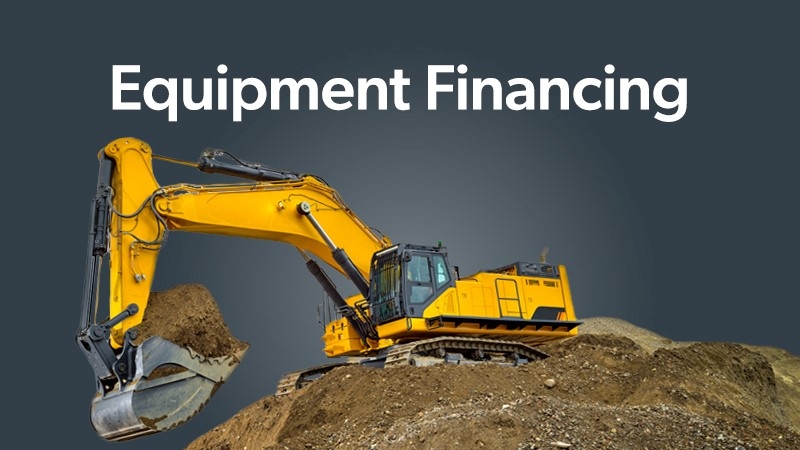
How Can Equipment Financing for Business Help Fund Your Next Major Purchase?
AI OverviewEquipment financing for business lets a company acquire machinery, vehicles, tools, or technical equipment while spreading the purchase cost across scheduled payments. This can preserve cash for payroll, materials, repairs, insurance, and other operating needs. The sound structure depends on equipment cost, useful life, expected use, cash flow, credit profile, fees, and repayment terms. Construction firms should compare the payment period with the service life of the asset and its expected project use. The central question is simple: can the equipment support enough business activity to cover its cost without placing daily operations under strain? |
Introduction
A major equipment purchase can create a difficult cash flow problem. A contractor may need an excavator before a large project starts, while a technical facility may need a specialized analyzer before current capacity becomes a bottleneck. Paying the full invoice from cash can leave too little for payroll, materials, insurance, repairs, or supplier bills. Waiting can create another cost when limited capacity causes missed work or higher rental expense.
Equipment financing for business can spread the purchase cost across scheduled payments instead of removing the full amount from current reserves. The important task is matching the asset, repayment period, and cash cycle. For firms also considering start-up business loans in Brooklyn, the same rule applies: funding should fit the actual operating plan. That relationship between equipment and cash flow is the starting point for a sound purchase decision.
Start With Total Asset Cost And Useful Life
Equipment financing for business works best when the asset has a clear operating purpose and a useful life that supports the repayment schedule. Start with the full acquisition cost. Include delivery, installation, training, permits, taxes, and required accessories. Then estimate annual use, maintenance, resale value, and expected output. For construction equipment, use billable hours, project days, or units moved. For laboratory equipment, consider testing volume, service intervals, consumables, and throughput. The central test is simple: can the asset support enough business activity to justify the monthly obligation? Equipment financing for business should support that operating case, not replace it.
Match Financing Terms To Cash Flow Cycles
Map revenue against payment dates
Equipment financing for business should be tested against the timing of incoming revenue. A contractor with progress billing may receive project payments in stages, while another firm may collect more evenly each month. Build a 12-month cash flow view showing receipts, payroll, materials, overhead, debt payments, and seasonal changes. Then test the plan under slower collections. If a two-month delay makes the payment difficult, the proposed structure may be too aggressive.
The financing amount also deserves attention. A down payment can reduce the balance and monthly payment, but it also reduces available cash. Financing a larger share preserves more cash while increasing the total financing cost. Compare both cases using actual operating figures. The goal is not the lowest monthly payment. It is a payment the business can carry during weaker months. Equipment financing for business should remain manageable when revenue does not follow the forecast.
Evaluate The Full Cost Before Signing
The quoted interest rate is only one part of the cost. Equipment financing for business should be reviewed through the full repayment amount, fees, down payment, documentation charges, early payoff terms, and any final obligation. Compare total cash paid with the asset's expected contribution. If equipment costs $120,000 and total payments reach $142,000, the business should identify the expected return from added capacity, lower rental expense, reduced downtime, or higher billable output.
-
Calculate the total amount paid, not only the monthly payment.
-
Compare the repayment period with the equipment's expected service life.
-
Check whether insurance, maintenance, registration, and service costs are separate.
-
Review early payoff rules before signing.
-
Calculate the cash reserve remaining after any down payment.
A downside case matters too. If project volume falls by 20 percent, can the business still meet fixed costs and equipment payments? If not, consider a smaller asset, a different structure, or a later purchase.
Build A Cash Reserve Into The Purchase Plan
Equipment financing for business can preserve cash, but every available dollar should not be committed to new capacity. Set a reserve before purchasing a major asset. Account for payroll, materials, insurance, repairs, taxes, and known payment gaps. Construction firms can face large cash swings when project billing and supplier payments occur at different times.
A useful test is to calculate fixed monthly obligations before and after the purchase. Add the equipment payment, then compare the total with average operating cash generation. Repeat the test using a weaker revenue month. For seasonal firms, use the lowest normal revenue period rather than the annual average. This shows whether equipment financing for business fits the operating cycle or places too much pressure on working cash.
Compare Funding Options With Project Economics
Consider the cost of waiting
Sometimes delaying a purchase carries a real business cost. An old machine may require frequent repairs, outside rentals, or extra labor. Before choosing equipment financing for business, estimate those costs from actual records. Compare them with the proposed payment and the expected contribution of the new asset.
-
Compare current equipment costs with the proposed payment.
-
Estimate added revenue only when project demand supports it.
-
Include service contracts and routine maintenance.
-
Review warranty coverage and replacement timing.
-
Keep a cash reserve after closing.
For firms considering start-up business loans in Brooklyn, documentation may be especially important because newer companies often have less operating history. Owners can present signed contracts, supplier quotes, cash projections, bank records, and owner investment. Funding should be based on a realistic operating case rather than sales assumptions alone.
Review Credit And Documentation Before Closing
Lenders may assess credit history, revenue, time in business, bank activity, existing obligations, and equipment details. Equipment financing for business may also require an invoice or purchase agreement from the vendor. Prepare these records early. Compare offers using the same figures because a lower monthly payment can simply result from a longer term.
For newer firms, documentation may require a business plan, personal credit information, cash projections, bank statements, purchase documents, and evidence of expected contracts. Existing firms should also review current debt, recent revenue, and bank activity. Another point matters: startup business loans in Brooklyn are not automatically the best route for an equipment purchase. The asset itself may support a structure that better matches its useful life and expected cash contribution.
Conclusion
A machine earns its place in a business through the work it supports. Equipment financing for business is therefore more than a payment arrangement. It is a decision about capacity, cash, timing, and future obligations. Review the purchase price, full financing cost, asset life, expected use, maintenance, cash reserve, and projected revenue before committing. For newer firms, start-up business loans in Brooklyn may be one option, but the structure still needs to fit the asset and operating model. Much like professionals who use Simply Capital Source as an industry resource, business owners can approach funding decisions by comparing the numbers before committing capital. The strongest purchase is not always the largest one. It is the one the business can support while meeting its daily obligations.
Frequently Asked Questions (FAQs)
1. Is equipment financing for business only for large companies?
No, businesses of different sizes may qualify based on credit, revenue, time in business, equipment type, and lender requirements.
2. Can start-up business loans in Brooklyn fund equipment?
They may, depending on the lender, the borrower's profile, the intended use, the documentation, and the loan terms.
3. What costs should equipment financing include?
Review interest, fees, down payment, taxes, installation, insurance, maintenance, and any final payment.
4. How long should equipment financing run?
The repayment period should fit the asset's useful life and the business's cash flow capacity.
5. Can equipment financing cover used machinery?
Yes, some lenders finance used machinery, subject to the equipment’s age, condition, value, vendor, and the borrower’s financial profile.