


How Professional Home Nursing Makes Long-Term Wound Care Easier
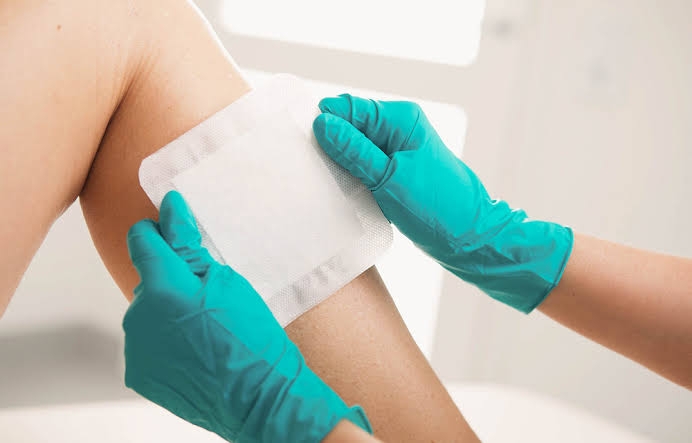
Managing a wound over several weeks or months can be challenging, particularly for patients with diabetes, limited mobility, pressure injuries, or wounds that heal slowly. Long-term wound care requires regular dressing changes, careful monitoring, hygiene, and attention to underlying health conditions. Wound Dressing at Home in Dubai offers patients a convenient way to receive professional wound care without making frequent trips to a healthcare facility. With support from qualified nurses and services such as Doctor at Home, patients can receive personalised assistance, monitor healing progress, and follow a consistent care routine in the comfort of their homes.
Understanding the Challenges of Long-Term Wound Care:
Long-term wounds often require more attention than minor injuries because they may take weeks or months to heal. Conditions such as diabetic foot ulcers, pressure sores, venous leg ulcers, and non-healing surgical wounds can involve repeated dressing changes and ongoing medical supervision. Patients may experience discomfort, excessive drainage, skin irritation, or difficulty managing the affected area independently. Limited mobility can make it harder to reach certain wounds, while underlying conditions may slow the body's natural repair process. Professional home nursing helps address these challenges through regular assessments, suitable dressing techniques, and guidance that supports the patient's individual recovery needs.
Regular Wound Assessment and Healing Monitoring:
One of the most important responsibilities of a home care nurse is monitoring changes in the wound over time. During scheduled visits, the nurse can assess wound size, depth, drainage, tissue appearance, and the condition of the surrounding skin. These observations help identify whether the wound is progressing towards healing or developing complications that require medical review. Consistent monitoring also allows healthcare professionals to recognise changes that may not be obvious to patients or caregivers. Nurses can document findings and communicate relevant concerns to the treating doctor, helping ensure that treatment decisions are based on the wound's current condition rather than an outdated care routine.
Professional Dressing Changes and Hygiene:
Changing a wound dressing correctly requires appropriate hygiene, suitable supplies, and careful handling of healing tissue. Improper techniques may cause irritation, disturb newly formed tissue, or increase the risk of contamination. A qualified home nurse follows the prescribed care plan, prepares the required materials, removes the old dressing gently, and applies the recommended replacement. The dressing selected depends on the wound's depth, location, drainage, and surrounding skin condition. Professional dressing changes can also help patients avoid unnecessary handling of the wound between visits. Nurses may explain basic hygiene practices to caregivers so that the wound remains protected during everyday activities.
Choosing Suitable Dressings for Different Wounds:
Different wounds require different dressing materials, and the correct choice may change as healing progresses. Some dressings absorb excess fluid, while others maintain moisture, protect delicate tissue, or reduce friction. A home care nurse can help follow the dressing recommendations made by the treating clinician and observe whether the product remains suitable. Common dressing categories include:
-
Foam dressings: Help absorb drainage and provide cushioning for suitable wounds.
-
Non-adherent dressings: Reduce the risk of disturbing fragile tissue during removal.
-
Alginate dressings: Can manage higher levels of wound fluid.
-
Hydrocolloid dressings: Help maintain a moist healing environment for selected wounds.
-
Protective dressings: Shield the wound from friction and external contamination.
Not every dressing is appropriate for every wound. Nurses should follow clinical instructions and seek medical advice if the wound's condition changes or the current dressing no longer meets its needs.
Reducing the Risk of Wound Infection:
Infection is a major concern during long-term wound management, particularly when a wound remains open for an extended period. Professional nurses help reduce avoidable risks by following appropriate hand hygiene, using suitable supplies, and maintaining a clean dressing technique. They also monitor for symptoms that may indicate infection, including increasing redness, warmth, swelling, worsening pain, thick or pus-like discharge, and an unpleasant smell. Patients should report these changes rather than attempting to manage them through more frequent dressing changes alone. Fever, chills, rapidly spreading redness, or severe pain require prompt medical assessment. Early recognition can help patients receive appropriate treatment before complications become more serious.
Personalised Care for Patients With Chronic Conditions:
Underlying medical conditions can significantly influence how quickly a wound heals. People with diabetes may experience reduced sensation or poor circulation, while patients with vascular disease may have limited blood supply to the affected area. Older adults and people with weakened immunity may also need closer monitoring. Professional home nurses consider these factors when following the wound care plan and observing changes in the patient's condition. They may encourage patients to follow prescribed medication routines, attend medical appointments, and maintain appropriate nutrition and hydration. However, treatment of underlying conditions must remain under the direction of the patient's doctor, as wound dressings alone cannot resolve the medical causes of delayed healing.
Supporting Patients With Limited Mobility:
Long-term wound care can be particularly difficult for people who are bedridden, recovering from surgery, or unable to move comfortably. Reaching a wound on the back, legs, or feet may require assistance, and repeated travel to a clinic can create additional physical strain. Home nurses can provide dressing support in a familiar environment while helping patients follow recommended positioning and hygiene routines. For people at risk of pressure sores, nurses may also reinforce the importance of repositioning, pressure-relieving equipment, and regular skin checks. Care should be delivered with attention to patient comfort, dignity, and safety, especially when movement or dressing changes cause discomfort.
Educating Families and Caregivers About Wound Care:
Family members often provide daily support to patients who need long-term wound management. However, caregivers may feel uncertain about cleaning the surrounding skin, protecting dressings, or recognising signs of complications. Home nurses can explain which tasks caregivers can safely perform and which procedures should be left to trained professionals. They may provide guidance on handwashing, keeping supplies clean, avoiding unnecessary contact with the wound, and following the prescribed dressing schedule. Caregivers should also understand when to contact the healthcare team, particularly if the dressing becomes saturated, the wound begins bleeding, or unusual drainage develops. Clear instructions help create a more consistent care routine between nursing visits.
Improving Comfort and Quality of Life at Home:
Long-term wounds can affect sleep, movement, confidence, and everyday independence. Repeated clinic visits may become tiring for patients who experience pain or mobility difficulties. Professional home nursing reduces some of this burden by bringing appropriate care to the patient's home. Nurses can adapt visits to the patient's care plan, explain each stage of treatment, and help reduce unnecessary discomfort during dressing changes. A familiar environment may also make patients feel more comfortable discussing concerns about their wound. Although home nursing cannot guarantee faster healing, consistent professional support can make the treatment process more manageable for patients and their families.
Why Consistency Matters in Long-Term Wound Management:
Successful wound management depends on following an appropriate care plan consistently. Missing recommended assessments, changing dressings incorrectly, or ignoring new symptoms may allow problems to go unnoticed. Professional home nursing helps maintain continuity by documenting wound progress, following the prescribed dressing schedule, and communicating concerns to the wider healthcare team. Wound Dressing at Home in Dubai can support patients who need regular assistance while recovering from chronic wounds, surgical procedures, or pressure injuries. The frequency of visits should be determined by the patient's clinical needs and may change as the wound improves or requires additional treatment.
Final Thoughts
Long-term wound care can be demanding, but professional home nursing makes the process more organised and manageable. Through regular assessments, appropriate dressing changes, infection monitoring, and caregiver education, qualified nurses help patients follow a consistent wound management routine. Personalised care is particularly valuable for individuals with chronic conditions, limited mobility, or wounds that require ongoing attention. With professional guidance, timely medical reviews, and appropriate support at home, patients can protect vulnerable skin, recognise complications early, and work towards a safer recovery.

