


A Guide to Kitchen Mixing Equipment for Distributors
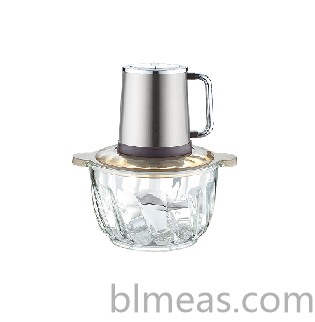
Kitchen mixing equipment plays an important role in household food preparation, baking, and small-scale commercial food operations. As consumers become more interested in preparing bread, cakes, pastries, and other recipes at home, demand continues to develop for appliances that offer convenient operation and versatile functionality. For importers and distributors, selecting a dependable Stand Mixer Supplier involves evaluating product construction, mixing functions, component quality, and the supplier's ability to support different market requirements. A well-designed stand mixer can simplify repetitive preparation tasks while providing a stable platform for a variety of mixing attachments.
A stand mixer typically consists of a motor housing, mixing head, bowl, transmission mechanism, speed control system, and interchangeable accessories. The motor provides the driving force, while the transmission transfers movement to the selected attachment. Depending on the design, the mixing head may use planetary movement or another mechanical arrangement to distribute ingredients through the bowl. The bowl holds the ingredients during operation, and the attachment determines the type of preparation task that can be performed. These components must work together to support consistent movement and convenient operation.
The mixing attachment is one of the most important elements of product functionality. A flat beater is commonly used for general mixing tasks, including combining cake ingredients and preparing certain soft mixtures. A wire whisk is suitable for incorporating air into lighter mixtures, while a dough hook is designed for kneading bread and other dough-based recipes. The availability of different attachments allows one appliance to serve multiple preparation needs. Buyers should confirm which accessories are included in each configuration and whether additional attachments are available for specific product models.
Bowl design also affects usability. Stainless steel bowls are widely used because they offer a practical surface for regular food preparation and are generally straightforward to clean. Other material options may be available depending on the product design and target market. Bowl shape, handle position, attachment clearance, and locking structure all influence the user experience. A stable bowl connection helps keep the container properly positioned during mixing, while an accessible handle makes removal and ingredient transfer more convenient. Manufacturers need to consider these details during product development to ensure that the bowl and mixing mechanism function as an integrated system.
The motor and transmission structure influence how the appliance handles different ingredients. Mixing tasks can vary significantly, from combining light cake mixtures to working with thicker dough. Product design should therefore consider the relationship between motor output, gear structure, attachment shape, and intended usage. A suitable speed control system allows users to select an operating level according to the recipe. Some models may also include gradual starting functions or additional control features to help reduce ingredient splashing. Buyers should compare these functions according to the needs of their target customers rather than assuming that every model offers the same configuration.
Housing construction contributes to both product appearance and structural stability. The outer body protects internal electrical and mechanical components while giving the appliance its visual identity. Metal housings can create a solid appearance, while plastic components may help manufacturers develop different shapes and product styles. The choice of material depends on the design concept, manufacturing process, and intended price positioning. A stable base and suitable non-slip elements can also help the mixer remain properly positioned on a kitchen countertop during operation.
Ease of use is another important purchasing consideration. Users generally prefer clear controls, accessible attachment connections, and a mixing head that can be opened without unnecessary effort. A tilt-head design may provide convenient access to the bowl and attachments, while a bowl-lift structure may be used in other product configurations. Each arrangement has its own practical characteristics, so distributors should consider how the product will be used by the intended customer group. Removable attachments and accessible bowl surfaces can also simplify cleaning after food preparation.
Different markets may have different expectations for kitchen appliances. Household consumers may focus on appearance, storage convenience, recipe versatility, and ease of cleaning. Baking enthusiasts may pay closer attention to attachment selection, bowl design, and the appliance's ability to handle different mixtures. Small bakeries, cafés, and food preparation businesses may prioritize workflow compatibility, repeated use, and maintenance arrangements. Distributors can benefit from offering several configurations that address these varied requirements.
Supplier evaluation should include manufacturing capability and quality management. Buyers may review component sourcing, assembly procedures, finished-product inspection, packaging standards, and the supplier's experience with export orders. It is also useful to discuss customization options, including product colors, logo placement, packaging artwork, and accessory combinations. Before confirming an order, importers should clarify the product configuration, electrical requirements, applicable documentation, lead time, and after-sales arrangements. Reviewing samples can help buyers assess product appearance, attachment installation, control layout, and general operating convenience.
A long-term supply relationship also depends on communication and service support. Clear operating instructions, accessory information, replacement component arrangements, and timely responses to technical questions can help distributors serve their customers more effectively. Suppliers that provide organized product information make it easier for retailers to prepare product listings, explain functions, and handle common customer inquiries. Consistent communication is particularly valuable when buyers manage multiple product models or develop private-label appliance ranges.
As kitchen preparation habits continue to evolve, versatile mixing equipment remains relevant to household appliance retailers and food equipment distributors. Choosing a suitable Stand Mixer Supplier requires attention to motor and transmission design, bowl construction, attachment compatibility, user convenience, and production reliability. Businesses exploring related kitchen and beverage preparation products can review available product categories at https://www.blmeas.com/product/milk-frother/ to assess options for expanding their appliance portfolios.

