


Why Plumbing Emergencies Happen at the Worst Possible Times
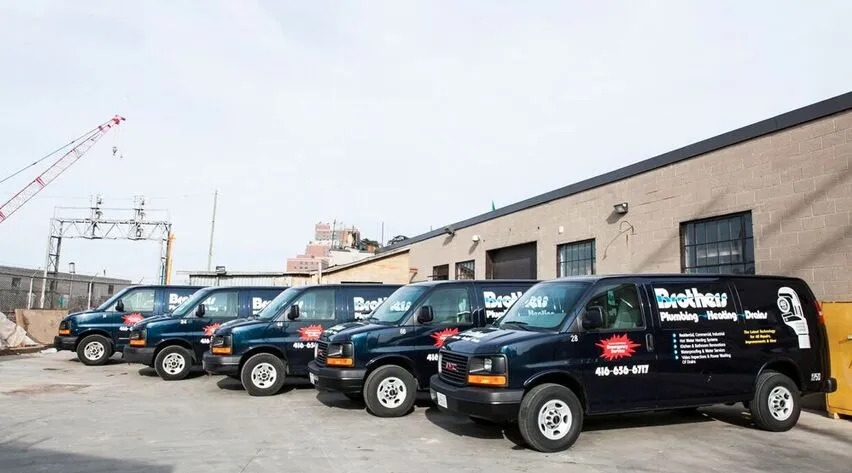
A plumbing problem can disrupt an entire household within minutes. A blocked toilet before guests arrive, a leaking pipe during the night, or a failed water heater on a cold morning can quickly turn an ordinary day into a stressful experience. Although some failures develop gradually, others occur with little warning, leaving homeowners unsure about what to do next.
Understanding the common causes of sudden plumbing problems can help Toronto homeowners recognize risks, prepare for unexpected failures, and make better decisions when repairs become necessary. A combination of regular maintenance and timely professional attention can also reduce the likelihood of avoidable disruptions.
Ageing Pipes and Worn Connections
Plumbing systems experience continuous use, and their components naturally deteriorate over time. Older pipes may corrode, develop weak points, or become more vulnerable to leaks as their materials age. Connections, joints, washers, and seals can also wear down after years of repeated use.
In older Toronto homes, plumbing materials and installation methods may differ from those used in newer properties. This makes the condition of the existing system particularly important when evaluating potential problems.
Replacing damaged components before they fail completely can help prevent extensive water damage. Homeowners should also keep records of previous repairs, as these details can help an emergency plumber identify recurring patterns and recommend appropriate long-term solutions..
Blocked Drains and Sewer Backups
Drainage problems are another frequent source of household disruption. Kitchen drains can accumulate grease, food particles, and soap residue, while bathroom drains often collect hair and personal care products. Over time, these materials can restrict water flow and create stubborn blockages.
Toilets may also become obstructed when unsuitable materials are flushed. Items that do not break down easily can remain in the drainage system and contribute to recurring problems.
A blockage becomes more concerning when several drains stop working properly or wastewater begins returning through floor drains and plumbing fixtures. These symptoms may indicate an obstruction in a shared drain or sewer line rather than a problem affecting just one fixture.
Avoid repeatedly flushing a blocked toilet or using multiple chemical drain cleaners in an attempt to force water through. If wastewater is entering your home, stop using affected fixtures and seek professional assistance. A qualified emergency plumber can investigate the blockage, identify its location, and recommend an appropriate solution.
Leaks Caused by Appliances and Fixtures
Household appliances rely on water supply hoses, drainage connections, and valves that can deteriorate with age. Washing machines, dishwashers, refrigerators with water dispensers, and water heaters may all become sources of unexpected leaks.
A loose connection may initially release only a small amount of water. However, a damaged hose can fail suddenly and allow water to spread across floors, beneath cabinets, or into adjoining rooms.
Inspect accessible appliance connections periodically for cracks, corrosion, dampness, and signs of wear. Follow the manufacturer's maintenance recommendations and replace damaged hoses or fittings before they fail.
Seasonal Conditions and Cold Weather
Toronto's seasonal temperature changes can place additional demands on residential plumbing systems. During cold weather, water inside poorly insulated or exposed pipes may freeze. As water freezes, it expands, increasing pressure within the pipe and potentially causing cracks or ruptures.
The resulting leak may not become apparent until temperatures rise and the ice begins to thaw. Water can then escape into wall cavities, basements, ceilings, or other parts of the property.
If a pipe freezes, avoid using an open flame to thaw it. If you suspect a damaged pipe or discover water escaping after a cold spell, shut off the water supply if safe and arrange prompt professional assessment.
Water Pressure Problems and Faulty Valves
Water pressure that is consistently too high can place unnecessary stress on pipes, fittings, and household appliances. Over time, this pressure may contribute to leaks or premature component failure. Low pressure, meanwhile, can indicate a restricted pipe, a faulty valve, or a supply issue.
Pressure changes affecting only one tap may have a relatively simple explanation. However, sudden changes throughout the home deserve closer attention, especially when accompanied by unusual pipe noises or visible leaks.
Valves also play an important role in controlling water flow. A valve that becomes stuck, damaged, or difficult to operate may complicate repairs during an urgent situation. Periodic inspection can help homeowners identify concerns before they need to shut off water quickly.
If pressure changes are severe or a pipe begins leaking, an emergency plumber can assess the system and determine whether immediate repairs or additional diagnostic work are needed.
What to Do When a Sudden Failure Occurs
When plumbing trouble starts unexpectedly, focus first on safety and limiting damage. If water is leaking from a pipe or fixture, close the relevant shutoff valve if you can reach it safely. For a major leak, the main water valve may need to be turned off.
Keep people away from flooded areas where electrical hazards may exist. Move valuables only when the affected area is safe to enter, and take photographs of visible damage for your records.
When contacting a professional, describe where the problem started, how quickly it developed, and whether the water supply has been shut off. Ask about the estimated arrival time and the process for assessing repair costs. Clear information can help the technician prepare for the situation.
Conclusion
Plumbing emergencies can result from ageing materials, blocked drains, appliance failures, seasonal conditions, and pressure-related problems. While not every failure can be prevented, recognizing warning signs and maintaining essential components can reduce the risk of sudden disruption.
Toronto homeowners who understand their plumbing systems are better prepared to respond when something goes wrong. Regular inspections, practical precautions, and timely repairs can help protect the property and keep household plumbing working reliably.

