


How Wireless Door Sensors Support Entry Notifications
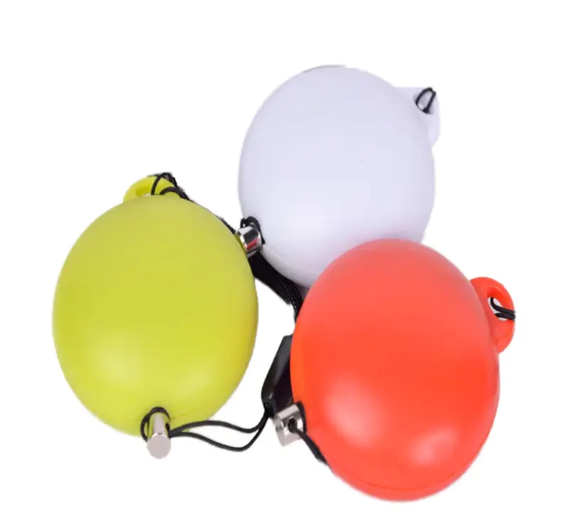
Knowing when someone approaches or enters a building is important for both residential convenience and everyday business operations. Homes, small shops, offices, and service counters often require a simple way to notify occupants when a visitor arrives. A Door Entry Alert System can provide this function through wireless communication between an entry-side transmitter and an indoor receiving unit. Its practical design makes it relevant to household electrical products, visitor notification equipment, and commercial sourcing markets where convenience and straightforward operation are important purchasing considerations.
A typical wireless entry notification product includes a transmitter, a receiver, and a power supply arrangement. The transmitter is generally installed near a door or another designated entry point, while the receiver is placed inside the building where users can notice the alert. When a visitor presses the transmitter button, a wireless signal is sent to the receiver, which produces an audible or visual notification depending on the selected configuration. This arrangement allows users to receive visitor alerts without requiring a traditional wired connection between the two main components.
The transmitter is an important part of the overall product design because it is frequently handled by visitors. Its external housing should be practical, easy to recognize, and suitable for installation near an entrance. Plastic materials are commonly considered for the enclosure because they support different shapes, colors, and surface finishes. The button should be positioned clearly and designed for convenient operation. Housing structure, button response, and mounting arrangements all influence the product's everyday usability.
The receiver performs the notification function after receiving the wireless signal. Depending on the model, it may provide sound, indicator lights, or a combination of notification methods. Different sound selections can also be available in certain product configurations, giving buyers options for different household and commercial preferences. The receiver housing should accommodate its internal electronic components while providing accessible controls for adjusting the notification experience. Its design should also make it easy to position in a suitable indoor location.
Wireless communication is the central operating principle of this product category. The transmitter sends a signal when its button is activated, and the receiver responds after recognizing the corresponding signal. Communication arrangements and supported operating distances vary by model and environmental conditions. Walls, building materials, electronic interference, and installation positions may influence actual performance. For this reason, importers should review the manufacturer's confirmed specifications rather than relying on general assumptions when comparing products for particular markets.
Power supply design is another important consideration. Some transmitters use replaceable batteries, while receiver configurations may use batteries or an external power source, depending on the product. These differences affect installation convenience, maintenance requirements, and the overall user experience. Buyers should confirm battery types, power arrangements, included accessories, and replacement requirements for the specific model. If a product supports additional power or installation options, these should be clearly identified in its technical documentation.
Installation flexibility can influence purchasing decisions, especially for residential and small commercial applications. Wireless products can reduce the need for complicated wiring between the transmitter and receiver, making them suitable for locations where conventional wired installation may be inconvenient. Mounting methods may include adhesive accessories, screws, or other model-specific arrangements. The correct installation method should be confirmed before purchase, taking into account the intended surface and operating environment.
Product design also affects how well the device fits different markets. A compact transmitter may be suitable for residential entrances, while a receiver with adjustable notification settings may be useful in offices, retail stores, and service areas. Manufacturers can develop different appearance options through housing colors, button shapes, and packaging arrangements. These variations allow distributors to build product collections for different consumer groups without changing the basic visitor notification concept.
Quality management should cover both the electronic and mechanical components. The transmitter button should operate consistently, the housing should remain properly assembled, and the receiver should respond to the intended signal. Manufacturers should also consider circuit stability, battery contact quality, component positioning, and the consistency of the assembly process. Product instructions should explain pairing procedures where applicable, installation methods, power requirements, and basic troubleshooting steps. Buyers should confirm any required certifications or market-specific compliance documentation for the exact model.
For international B2B procurement, importers and distributors may evaluate product configurations, wireless communication specifications, notification options, installation accessories, packaging, and available customization services. Electrical goods wholesalers, home improvement retailers, security equipment distributors, and online sellers may have different requirements. OEM and ODM cooperation can support customized logos, packaging, colors, and product presentations, depending on model availability and order quantities.
Yiwu Jiuxin Electric Co., Ltd. serves international buyers seeking practical household electronic products and sourcing cooperation. When selecting a Door Entry Alert System, purchasers can review transmitter and receiver designs, wireless communication arrangements, power configurations, and installation requirements according to their target applications. For product information, customization discussions, and potential wholesale cooperation, visit https://www.jiuxinx.com.

