


Cosmetic Packaging Solutions for Color Makeup
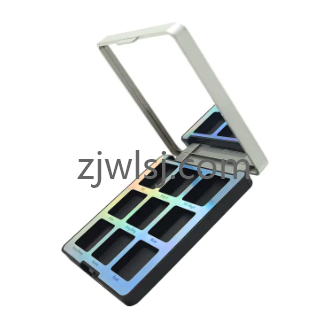
Eye makeup packaging plays an important role in product presentation, brand identity, and everyday consumer experience. A Sultry Eyeshadow collection often features carefully coordinated shades and distinctive visual concepts, making the packaging an important part of the overall product design. For cosmetic brands, wholesalers, and packaging distributors, selecting the right plastic container requires attention to internal structure, material properties, exterior appearance, and manufacturing consistency. A suitable packaging solution should accommodate the cosmetic product while providing convenient access and supporting the brand's visual positioning in competitive beauty markets.
Plastic is a practical material for many cosmetic packaging applications because it allows manufacturers to create different shapes, sizes, colors, and surface finishes. Depending on the required structure, manufacturers can select materials with suitable rigidity, impact resistance, and processing characteristics. The outer housing needs to maintain its shape during normal handling, while the internal structure should provide appropriate support for individual makeup pans. Material selection should also consider the intended product application, manufacturing process, and expected storage conditions.
Internal compartment design is particularly important for eye makeup collections containing several coordinated colors. The arrangement of individual pans influences the appearance and usability of the finished container. Manufacturers need to consider the number of shades, pan dimensions, spacing, compartment depth, and overall layout. A well-organized structure helps keep different colors in position and makes the product easier to use. Depending on the brand concept, the packaging may feature a simple rectangular layout, a more compact arrangement, or a customized internal configuration.
Injection molding is widely used to manufacture plastic cosmetic cases and their structural components. This process allows manufacturers to produce detailed shapes with repeatable dimensions and consistent surface characteristics. During mold development, engineers consider wall thickness, material flow, draft angles, parting lines, and the relationship between different components. These factors can influence the appearance, strength, and assembly accuracy of the finished product. Mold testing and prototype evaluation are useful steps for identifying potential issues before mass production.
The exterior structure also contributes to product usability. Lids, hinges, bases, and closure mechanisms need to work together to provide convenient opening and secure closing. A properly designed hinge allows the lid to move smoothly, while a suitable closure helps prevent accidental opening during ordinary handling. The packaging should also be comfortable to hold and easy to store. For brands developing different product sizes, manufacturers can evaluate how the exterior dimensions and internal arrangement work together to achieve an appropriate balance between appearance and practicality.
Surface decoration provides opportunities for brands to create distinctive packaging concepts. Common options may include custom color matching, glossy or matte finishes, printing, metallic effects, and other decorative treatments. These techniques can help communicate the personality of a cosmetic collection and establish a consistent visual identity. For example, darker exterior colors combined with refined decorative details may support an elegant beauty concept, while contrasting colors can create a more expressive retail appearance. The selected finishing method should be compatible with the plastic material and the required production process.
Branding is another important consideration during packaging development. Logo placement, printed information, and decorative graphics should be incorporated into the exterior design without interfering with the packaging structure. Buyers may request different branding methods depending on the desired appearance and market positioning. Manufacturers should review artwork files, color references, printing positions, and surface requirements before production. Approving physical samples can help confirm that the final decoration matches the intended brand presentation.
Quality control is essential for maintaining consistency between production batches. Inspection procedures may include dimensional checks, surface appearance evaluation, color comparison, component fitting, and closure testing. For multi-compartment containers, the dimensions and positioning of internal spaces should be checked carefully. Manufacturers may also evaluate hinge movement and assembly stability to identify possible structural problems. Clear quality standards established before production help buyers and suppliers maintain consistent expectations and reduce unnecessary disputes.
Customization is particularly valuable for cosmetic brands developing private-label products or expanding existing collections. Buyers may request customized shapes, compartment layouts, colors, dimensions, surface treatments, and logo applications. OEM and ODM cooperation can support both modifications to existing packaging designs and the development of new structures. Before confirming an order, buyers should review technical drawings, samples, material specifications, decoration details, and assembly requirements. This preparation helps ensure that the selected design is suitable for manufacturing and consistent with the intended product concept.
For international B2B buyers, supplier evaluation should include manufacturing experience, mold development capabilities, production management, inspection procedures, and communication efficiency. Buyers should provide information about the intended cosmetic product, packaging preferences, target market, and estimated order quantity. These details help manufacturers assess project requirements and coordinate suitable production arrangements. Packaging dimensions and protective arrangements should also be considered when planning warehouse storage and international transportation.
As cosmetic brands develop eye makeup collections for different markets, packaging needs to combine visual appeal with reliable manufacturing and practical functionality. A carefully designed Sultry Eyeshadow package can support coordinated color collections through suitable materials, organized internal compartments, and customized decorative finishes. Businesses looking for plastic cosmetic packaging solutions and manufacturing cooperation can explore the product range at https://www.zjwlsj.com/product/eye-shadow-palette/shadow-palette-1-grid/.

