


Healthy Parrot Diet: What to Feed Your Pet Bird and What to Avoid
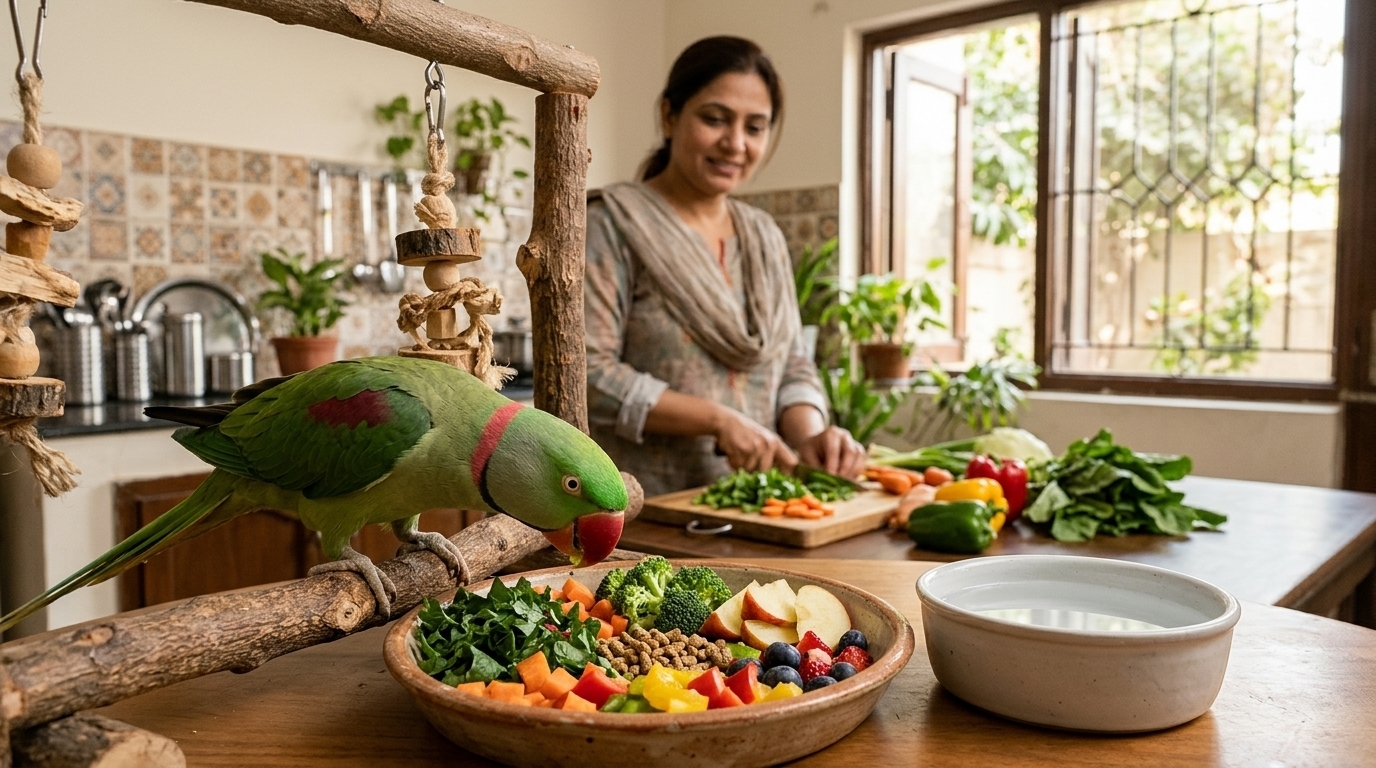
A colorful parrot can bring energy, companionship, and personality into a home. However, keeping these intelligent birds healthy requires more than offering a bowl of seeds and occasional pieces of fruit.
Nutrition plays a major role in a parrot's physical health, feather condition, activity levels, and overall well-being.
Many bird owners in Pakistan rely on traditional seed mixtures without realizing that different parrot species have different nutritional requirements.
Understanding what your bird should eat, which foods are unsafe, and how to establish a healthy feeding routine can make a meaningful difference.
Why Is a Balanced Diet Important for Parrots?
Parrots require nutrients that support growth, metabolism, feather development, and normal bodily functions.
An unbalanced diet may contribute to nutritional deficiencies, obesity, or other health problems.
For example, diets consisting almost entirely of certain seeds can contain excessive fat while providing insufficient amounts of important nutrients.
However, there is no single feeding formula suitable for every parrot.
Budgies, cockatiels, African Greys, and lorikeets have different dietary needs.
The most reliable approach is to understand your bird's species and consult an avian veterinarian about its nutritional requirements.
What Should a Healthy Parrot Diet Include?
1. Species-Appropriate Formulated Pellets
For many companion parrots, suitable formulated pellets can provide an important nutritional foundation.
These products are designed to deliver a more consistent nutrient balance than selective seed feeding.
However, not every species should follow a predominantly pellet-based diet.
Some birds, including nectar-feeding species, require specialized nutrition.
Choose products appropriate to your bird's species, age, and health.
2. Fresh Vegetables
Bird-safe vegetables can add variety and valuable nutrients to a parrot's feeding routine.
Depending on the species, suitable options may include carrots, broccoli, bell peppers, and certain leafy greens.
Introduce unfamiliar vegetables gradually and observe your bird's response.
Wash fresh produce thoroughly to reduce contamination.
Remove leftover perishable food promptly, particularly during Pakistan's warmer months.
3. Fruits in Appropriate Portions
Many parrots enjoy fruit because of its flavor and texture.
Suitable options for many species may include apples without seeds, berries, and small portions of banana.
However, fruit should be offered according to species-specific dietary recommendations.
It should not replace balanced staple foods.
Remove potentially harmful fruit seeds and pits before feeding.
4. Seeds and Nuts
Seeds and nuts are popular among companion parrots and can be useful as occasional rewards.
Their nutritional value varies, and some are particularly rich in fat.
Offering large quantities of sunflower seeds or other high-fat foods may contribute to dietary imbalance.
Use appropriate portions rather than allowing birds to select only their favorite foods.
Foods That Parrots Should Avoid
Several common human foods can be dangerous to pet birds.
Chocolate and Caffeinated Drinks
Chocolate contains substances that can be toxic to birds.
Coffee, tea, energy drinks, and other caffeinated beverages should also be kept away from parrots.
Avocado
Avocado can be harmful to birds and should not be offered as food.
Alcohol and Highly Processed Foods
Alcohol is unsafe for parrots.
Foods containing excessive salt, sugar, or unsuitable additives should also be avoided.
If your bird consumes a potentially toxic substance, contact an avian veterinarian promptly rather than attempting an unverified home treatment.
How to Establish a Healthy Feeding Routine
Provide Fresh Drinking Water
Clean water should remain available throughout the day.
Replace dirty water promptly and wash drinking containers regularly.
Food particles and droppings can quickly contaminate open water bowls.
Maintain Consistent Feeding Times
A predictable feeding routine helps owners monitor appetite and daily food consumption.
The feeding schedule should suit the bird's species, age, and health requirements.
Observe how much your parrot actually eats rather than judging intake only by how much food remains in its bowl.
Introduce New Foods Gradually
Parrots accustomed to seed-based diets may initially refuse healthier alternatives.
Changing the diet too quickly can be dangerous if the bird stops eating.
Introduce new foods gradually, monitor body weight, and obtain professional guidance when transitioning diets.
Never assume that a bird will eventually eat unfamiliar food simply because no other option is available.
Choosing a Parrot With Manageable Dietary Needs
A bird's nutritional requirements should influence your purchasing decision.
Some parrot species require specialized diets, while others may have more straightforward feeding routines.
Before selecting a bird, ask about its existing diet, age, health, and species-specific care requirements.
Bird enthusiasts browsing pet parrots for sale in Pakistan can explore Titans Pet listings and contact sellers about available birds.
Always verify that a young parrot is fully weaned, eating independently, and legally sourced before purchasing.
Common Feeding Mistakes Among New Bird Owners
One common mistake is assuming that every food considered healthy for humans is safe for birds.
Another is providing too many treats while neglecting balanced nutrition.
Owners may also overlook food hygiene, particularly when fresh produce remains inside a warm cage for extended periods.
Monitoring appetite and maintaining clean feeding equipment are simple but important preventive practices.
Frequently Asked Questions
Can parrots eat bananas?
Many parrot species can eat banana in suitable portions, but dietary requirements vary.
Is a seed-only diet healthy for parrots?
Seed-only diets are generally incomplete for many companion parrot species and may contribute to nutritional problems.
How often should parrots receive fresh vegetables?
Many companion parrots benefit from regular bird-safe vegetables, with portions determined by species-specific guidance.
Final Thoughts
A healthy parrot diet depends on variety, nutritional balance, and an understanding of individual species requirements.
Providing suitable food, fresh water, and clean feeding conditions supports long-term health.
When uncertain about dietary changes, professional avian veterinary guidance is always preferable to relying on popular feeding myths.

