


Best fat transfer Surgeons in dubai: Who Should Avoid
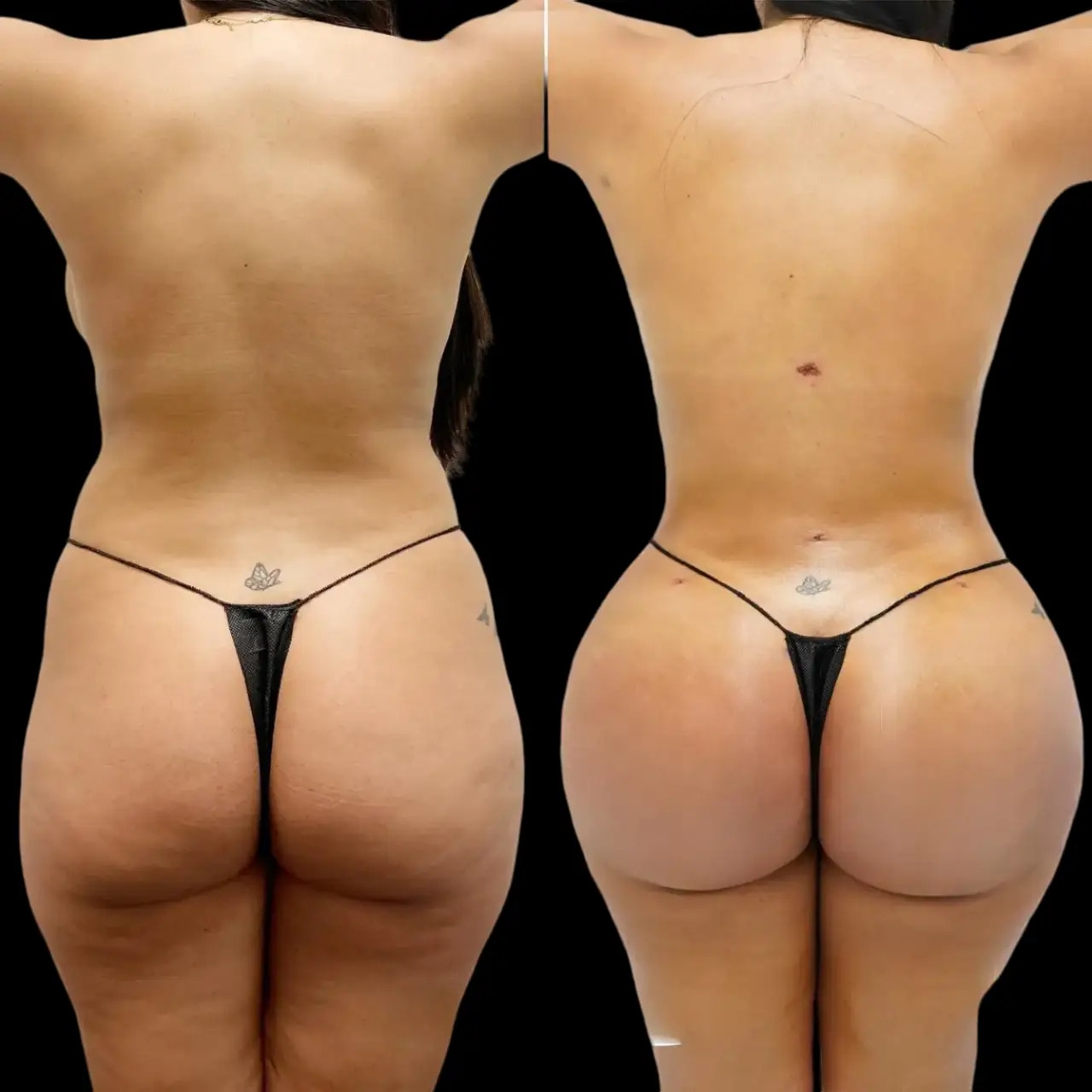
Understanding Fat Transfer Surgery in Dubai and Its Medical Requirements
Fat transfer Surgery in dubai is a cosmetic procedure that uses a person's own fat to improve volume in another area of the body.
The procedure generally involves three stages:
-
Fat collection: Fat is removed from a suitable donor area, such as the abdomen, thighs, or flanks, through liposuction.
-
Fat processing: The collected fat is purified to separate suitable fat cells from unwanted fluids and other materials.
-
Fat injection: The prepared fat is carefully transferred into the selected treatment area.
Although the procedure uses the patient's own fat, it is still a surgical treatment. It involves anesthesia, incisions, tissue handling, and a recovery period.
For this reason, individuals should undergo a proper medical assessment before considering treatment. Certain health conditions and personal circumstances may make fat transfer unsafe or unsuitable.
Best Fat Transfer Surgeons in Dubai: Who Should Avoid This Cosmetic Procedure?
People researching the Best fat transfer surgeons in dubai should understand that not everyone is an appropriate candidate for fat transfer.
Some individuals may need to avoid the procedure completely, while others may need to postpone it until their health condition improves.
The following groups may not be suitable candidates:
-
People with uncontrolled medical conditions.
-
Individuals with active infections.
-
People with serious heart or lung problems.
-
Individuals with certain blood-clotting disorders.
-
People with insufficient donor fat.
-
Individuals who are pregnant or breastfeeding.
-
People with unrealistic expectations about cosmetic results.
-
Individuals who cannot follow post-surgery instructions.
These factors do not always mean that surgery is permanently impossible. Suitability depends on the specific medical condition, its severity, and an appropriate professional assessment.
People With Uncontrolled Diabetes Should Be Careful About Fat Grafting
Diabetes is an important medical condition to consider before undergoing cosmetic surgery.
People with poorly controlled blood sugar levels may have a higher risk of infection, delayed wound healing, and other surgical complications.
Fat transfer involves collecting fat from one area and injecting it into another. Both areas need proper healing after the procedure.
Individuals with diabetes should discuss their blood sugar control, medications, and medical history before considering surgery.
In some cases, treatment may be postponed until blood sugar levels are better controlled. The decision should depend on an individual medical assessment rather than a general rule.
Fat Grafting May Not Be Suitable for People With Serious Heart or Lung Conditions
Fat grafting requires careful planning because it involves a surgical procedure and may require anesthesia.
People with serious heart or lung conditions may face additional risks during surgery. These conditions can affect the body's ability to tolerate anesthesia and recover properly.
Examples include certain types of heart disease, severe breathing problems, and uncontrolled cardiovascular conditions.
Before considering fat transfer, individuals should disclose their complete medical history and any ongoing treatment.
Depending on the condition, additional medical evaluation may be necessary. Some people may be advised to avoid elective cosmetic surgery because the potential risks outweigh the expected benefits.
People With Active Infections Should Avoid Fat Transfer Surgery
An active infection is another important reason to postpone cosmetic surgery.
Infections can increase the risk of complications during and after treatment. Since fat transfer involves both a donor area and a receiving area, proper healing is important at both locations.
People with skin infections, untreated wounds, fever, or other active infections should receive appropriate medical care before considering surgery.
Proceeding with an elective procedure while an infection is present may increase the risk of further problems.
Treatment should only be considered after the infection has resolved and the individual has received appropriate medical clearance.
Individuals With Blood-Clotting Disorders May Face Higher Surgical Risks
Blood-clotting conditions can influence whether someone is suitable for fat transfer.
Some individuals have conditions that cause excessive bleeding, while others have an increased tendency to develop blood clots.
Both situations require careful consideration before surgery.
Certain medications, including blood thinners, may also affect surgical planning. However, patients should never stop prescribed medication without medical advice.
A complete assessment of medical history, current medications, and any previous clotting problems is important before deciding whether fat transfer is appropriate.
Under Eye Fat Transfer: Who Should Avoid This Delicate Treatment?
Under eye fat transfer is a cosmetic procedure used to improve hollow areas beneath the eyes by adding volume with purified fat.
Although it may help people experiencing volume loss, it is not suitable for every under-eye concern.
People with certain conditions may need to avoid or reconsider this treatment.
These include:
-
Individuals with significant under-eye puffiness.
-
People whose main concern is skin pigmentation rather than volume loss.
-
Individuals with active infections around the eyes.
-
People with certain eye or eyelid conditions.
-
Individuals with unrealistic expectations about removing dark circles completely.
The under-eye region is delicate, and even small changes in volume can influence appearance.
A proper assessment is necessary to determine whether fat transfer is appropriate or whether another treatment option would better address the concern.
People With Insufficient Donor Fat May Not Be Suitable Candidates
Fat transfer requires enough available fat to collect from a suitable donor area.
People with very low body fat may not have enough suitable donor tissue for the procedure they want.
Common donor areas include the abdomen, thighs, hips, and flanks. However, the amount of fat available varies between individuals.
Being overweight is not a requirement for fat transfer. The procedure is not intended for weight loss, and it should not be used as a method of reducing body weight.
If a person does not have sufficient donor fat, the desired cosmetic improvement may not be achievable through this treatment.
Pregnant and Breastfeeding Women Should Postpone Fat Transfer Surgery
Pregnancy and breastfeeding are important considerations when planning elective cosmetic procedures.
Fat transfer is generally postponed during pregnancy because surgery and anesthesia are not appropriate for an elective cosmetic enhancement during this period.
Breastfeeding women may also be advised to wait until breastfeeding has finished and their body has stabilized.
Hormonal changes, body-weight fluctuations, and changes in breast or body volume can influence cosmetic results.
It is better to discuss the appropriate timing with a qualified medical professional rather than rushing into treatment.
Best Fat Transfer Surgeon in Dubai: Why Smoking Can Affect Surgical Safety
People searching for the Best fat transfer surgeon in Dubai should also understand how lifestyle habits can influence surgical outcomes.
Smoking and nicotine use can affect blood circulation and reduce the amount of oxygen reaching healing tissues.
This may increase the risk of:
-
Delayed wound healing.
-
Infection.
-
Poor tissue recovery.
-
Complications involving transferred fat cells.
-
Unsatisfactory cosmetic results.
Individuals who smoke may be advised to stop nicotine use before and after surgery for a medically recommended period.
The exact instructions depend on the patient's health and treatment plan. People should discuss smoking, vaping, and nicotine products honestly during their medical assessment.
People With Unrealistic Expectations Should Reconsider Fat Transfer
Fat transfer can improve volume and body contours, but it cannot guarantee perfect or identical results for everyone.
Some people expect immediate, dramatic, or completely permanent changes. Such expectations may lead to disappointment.
Not all transferred fat cells survive after the procedure. The body naturally absorbs some of the transferred fat during recovery, and final results can vary.
Individuals who expect complete transformation or want to copy another person's appearance should carefully reconsider their goals.
A suitable candidate should understand the limitations of the procedure and be comfortable with the possibility of natural-looking but moderate improvements.
Best Doctors in Dubai: Why Medical History Matters Before Fat Transfer
The phrase Best Doctors in dubai is commonly used by people researching cosmetic treatments and medical procedures.
However, before considering fat transfer, individuals should understand that their medical history plays an important role in determining suitability.
A complete medical assessment may include:
-
Existing health conditions.
-
Previous surgeries.
-
Current medications.
-
Allergies.
-
Smoking and nicotine use.
-
History of bleeding or blood clots.
-
Previous anesthesia complications.
-
Current infections or healing problems.
Sharing accurate information helps identify possible risks and determine whether surgery is appropriate.
Patients should never hide medical conditions or medication use to qualify for cosmetic treatment.
Dr. Perfect Celebrity: Why Celebrity-Inspired Cosmetic Goals Are Not Always Suitable
The term Dr. perfect celebrity may appear in online searches related to celebrity beauty trends and cosmetic transformations.
Many people become interested in fat transfer after seeing celebrities with fuller cheeks, smoother facial contours, or enhanced body proportions.
However, celebrity appearances should not become the standard for personal cosmetic decisions.
Every person has a different body structure, facial anatomy, skin condition, and natural fat distribution.
Trying to achieve an identical appearance to someone else may create unrealistic expectations.
The best approach is to consider individual needs and choose realistic cosmetic goals that maintain natural body proportions.
Perfect Doctors Clinic and the Importance of Understanding Surgical Risks
Perfect Doctors Clinic is a term that may appear in online searches related to cosmetic treatment information.
When researching any cosmetic procedure, individuals should focus on understanding the medical risks and requirements involved.
Fat transfer is a surgical procedure and may involve complications such as:
-
Infection.
-
Bleeding.
-
Swelling and bruising.
-
Irregular contours.
-
Fat absorption.
-
Fat necrosis.
-
Changes in skin sensation.
-
Blood clots and other serious complications.
Some risks are uncommon but can be serious. For example, fat transfer to the buttocks requires particular safety precautions because accidental injection into blood vessels can cause life-threatening complications.
Understanding these risks is an important part of deciding whether treatment is appropriate.
Fat Transfer Surgery Cost in Dubai: What Should Patients Know Before Treatment?
The Fat transfer Surgery cost in dubai depends on the treatment area, amount of fat required, procedure complexity, anesthesia, and medical facility expenses.
People who are not suitable candidates should not rush into treatment simply because they have already planned a budget.
Before making a financial commitment, individuals should understand whether the procedure is medically appropriate.
The total price may include:
-
Consultation and medical assessment.
-
Fat collection.
-
Fat processing.
-
Fat injection.
-
Anesthesia.
-
Facility expenses.
-
Follow-up appointments.
A proper assessment should come before any financial decision.
Fat Transfer Cost and the Financial Impact of Additional Treatment
The overall fat transfer cost may vary depending on the treatment plan and whether additional sessions are required.
Some transferred fat cells may be absorbed naturally, which can affect the final volume.
If a patient wants additional enhancement, another procedure may sometimes be considered after sufficient healing.
However, people who have medical conditions that make surgery unsafe should not proceed simply to achieve their desired appearance.
Safety should always take priority over cosmetic goals and financial investment.
Fat Transfer Cost in Dubai: Factors That Influence Individual Expenses
The fat transfer cost in dubai may differ depending on whether someone is considering facial enhancement, under-eye treatment, breast enhancement, or body contouring.
Other factors include the amount of fat required, anesthesia, facility charges, and aftercare.
Before comparing prices, individuals should confirm which services are included in the quoted amount.
It is also important to understand that a low price does not necessarily indicate a suitable or safe treatment option.
The first step should always be determining whether the individual is medically fit for the procedure.
Fat Transfer in Dubai: Are There Safer Alternatives for People Who Cannot Have Surgery?
Fat transfer in dubai may not be appropriate for people with certain medical conditions or insufficient donor fat.
Depending on the cosmetic concern, alternative treatments may be available.
For example:
-
Non-surgical skin treatments may help improve certain skin concerns.
-
Some people may be suitable for carefully selected dermal fillers.
-
Skin-tightening treatments may address certain signs of ageing.
-
Lifestyle changes may help improve overall body composition.
-
Other cosmetic procedures may be considered after medical assessment.
These alternatives are not suitable for everyone either. Each treatment has its own benefits, limitations, and possible risks.
A professional assessment can help identify the safest option for an individual's needs.
Fat Transfer Prices: Why Safety Should Matter More Than the Lowest Price
Comparing fat transfer prices is a common part of cosmetic treatment research. However, choosing a procedure based only on cost can lead to poor decisions.
Patients should consider professional qualifications, appropriate medical facilities, safety measures, anesthesia requirements, and aftercare.
They should also understand the complete treatment plan and possible complications.
A responsible approach focuses on whether the treatment is suitable rather than simply whether it is affordable.
If someone has a medical condition that makes surgery unsafe, avoiding or postponing the procedure may be the best decision.
Best Fat Transfer Surgeons in Dubai: Questions to Ask Before Considering Surgery
When researching the Best fat transfer surgeons in dubai, individuals should prepare important questions before deciding on treatment.
Some useful questions include:
-
Am I medically suitable for fat transfer?
-
Do I have enough donor fat?
-
What risks apply to my medical history?
-
Which treatment area is appropriate for my concerns?
-
What results can I realistically expect?
-
How long will recovery take?
-
Could I require another session?
-
What alternatives are available if surgery is not suitable?
Clear answers can help individuals understand the procedure and make informed decisions.
Final Thoughts on Who Should Avoid Fat Transfer Surgery
Fat transfer can be an effective cosmetic option for suitable individuals, but it is not the right choice for everyone. People with uncontrolled medical conditions, active infections, serious heart or lung problems, certain clotting disorders, or insufficient donor fat may need to avoid or postpone treatment.
Pregnant women and people with unrealistic expectations should also reconsider the timing and purpose of cosmetic surgery.
When researching the Best fat transfer surgeons in dubai, individuals should focus on medical suitability, safety, and realistic results rather than popularity or price alone.
Whether considering facial enhancement, under eye fat transfer, or body contouring, a complete medical assessment is essential before proceeding.
Ultimately, the safest cosmetic decision is one that considers personal health, individual needs, and possible risks. Fat transfer should only be considered when the benefits reasonably outweigh the potential complications.

