


Sheet Metal Laser Cutting Machine: Precision Solutions for Modern Metal Fabrication
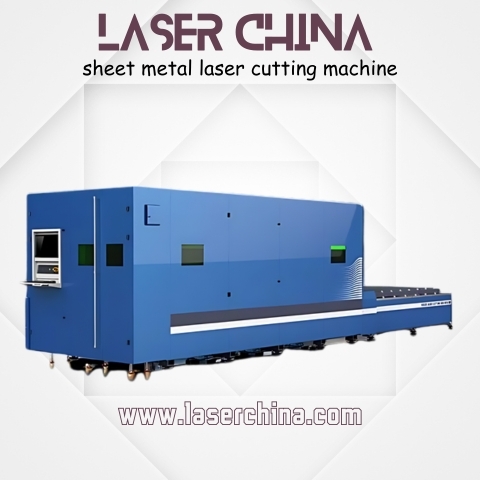
Metal fabrication continues to evolve as manufacturers look for accurate, efficient, and reliable cutting solutions. Laser technology has become an important part of modern production because it allows businesses to process different metal materials with precision and consistency. A sheet metal laser cutting machine is designed to cut metal sheets into customized shapes, patterns, and components for a wide range of industrial applications.
Understanding Sheet Metal Laser Cutting Technology
Laser cutting is a process that uses a focused laser beam to cut through metal materials. The beam generates concentrated heat, which melts or vaporizes the material along a programmed cutting path. This process is controlled through computer software, allowing manufacturers to create detailed designs with accurate dimensions.
A sheet metal laser cutting machine can process materials such as stainless steel, carbon steel, aluminum, brass, and other metals, depending on the machine's specifications. Manufacturers can adjust cutting parameters according to material type, thickness, and production requirements.
Applications Across Different Industries
Laser cutting technology is used in many industries because metal components are required in different shapes and sizes. Automotive manufacturers use laser-cut parts for structural components, brackets, panels, and customized assemblies. Machinery manufacturers also rely on precise metal cutting for equipment frames, covers, and mechanical parts.
In the furniture industry, laser cutting helps produce metal frames, decorative panels, and customized designs. Electrical equipment manufacturers use laser-cut sheets for cabinets, enclosures, and mounting components. Construction businesses also use fabricated metal parts for architectural structures and interior applications.
These applications demonstrate how laser processing supports both small workshops and large industrial production facilities.
How to Select the Right Machine
Choosing the right cutting equipment requires careful consideration of production needs. Buyers should evaluate the thickness and type of metal they regularly process. Different materials and thicknesses require suitable laser power and cutting configurations.
The working area is another important consideration. Businesses producing large metal sheets may require a machine with a larger cutting table, while smaller workshops might prefer a compact system for customized projects.
Software compatibility, machine control systems, maintenance requirements, and technical support should also be considered before purchasing equipment. Understanding these factors can help businesses select a suitable machine for their production environment.
Improving Metal Fabrication Workflows
Modern laser cutting systems can work with CAD and CAM software, allowing operators to prepare designs and convert them into cutting instructions. This digital workflow helps organize production tasks and supports consistent manufacturing processes.
When properly configured, a sheet metal laser cutting machine can produce intricate designs, holes, slots, and detailed outlines. Automated cutting processes also help manufacturers manage repetitive jobs while maintaining consistent production standards.
Regular maintenance, proper operator training, and suitable cutting parameters are essential for maintaining machine performance. Businesses should also follow laser safety procedures, including appropriate protective equipment and safety enclosures.
Final Thoughts
Laser cutting technology continues to shape the metal fabrication industry by supporting precise manufacturing, customized production, and modern industrial workflows. Selecting the right equipment requires understanding material requirements, production volume, cutting thickness, and workspace limitations.
A sheet metal laser cutting machine can become an important part of a fabrication business's production process when selected and operated according to its intended applications. Exploring different machine configurations and technical specifications can help manufacturers make informed purchasing decisions and prepare for future production demands.

