


A Guide to Choosing the Right Decorative Surface Materials for Interior Projects
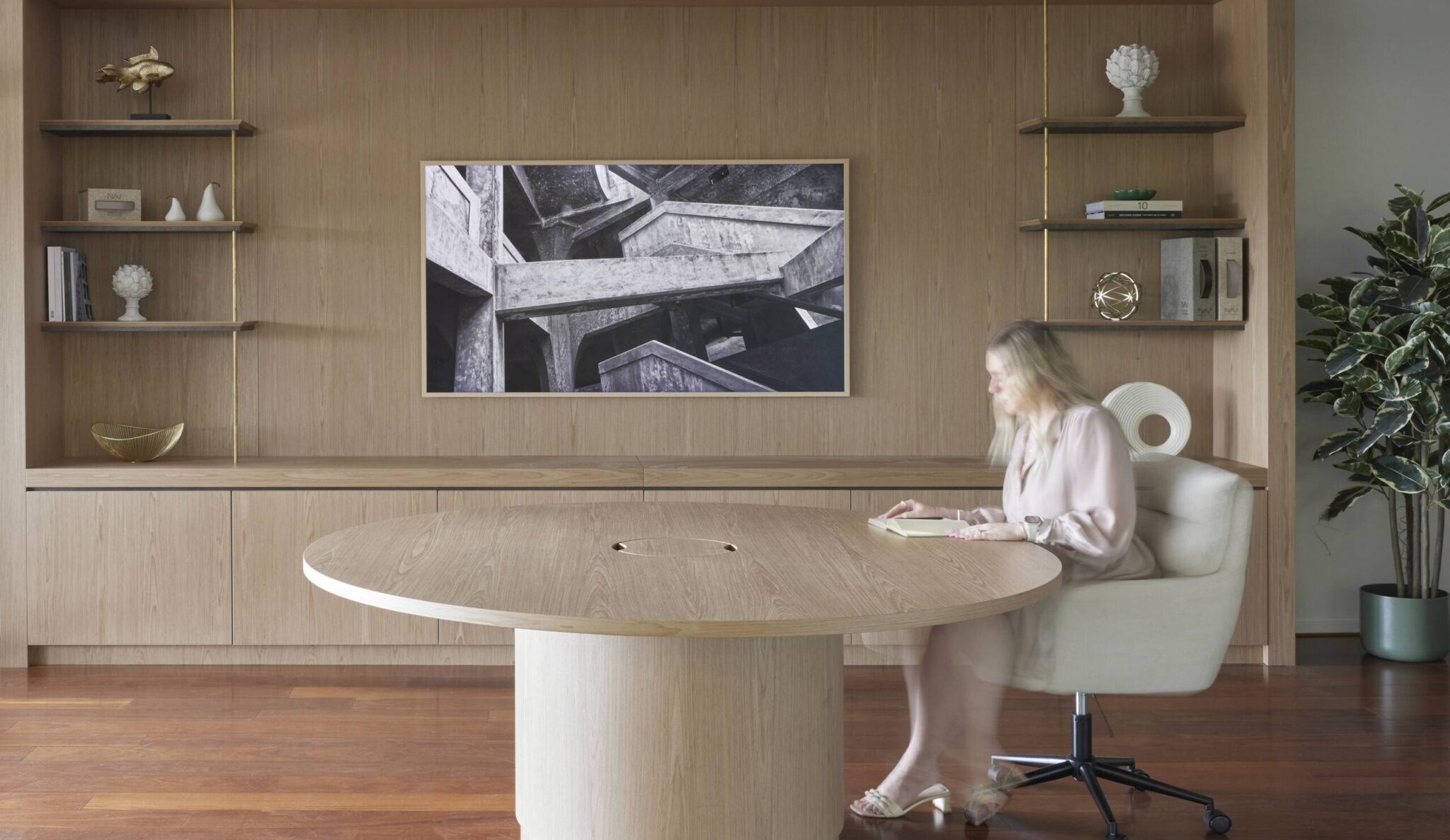
Decorative surface materials play an important role in shaping the appearance, functionality and durability of interior spaces. From residential furniture and kitchen cabinetry to commercial fit-outs and wall panelling, the choice of surface can influence the overall design as well as how well a space performs over time. With numerous materials, textures, colours and finishes available, selecting the right option requires considering both visual appeal and practical requirements.
Understanding the characteristics of different decorative surfaces can help architects, interior designers, builders and furniture manufacturers make more informed decisions for their projects.
Understanding the Importance of Decorative Surfaces
Surfaces are more than just finishing elements. They contribute to the visual identity of a space, complement other design features and can influence maintenance requirements. The right material can create a warm, natural atmosphere, introduce contemporary textures or provide a clean, sophisticated appearance.
Factors such as the intended application, exposure to moisture, frequency of use, cleaning requirements and overall design theme should be considered before choosing a material. Some surfaces are better suited to decorative furniture and wall features, while others are designed to withstand demanding environments.
1. Timber Veneers for Natural Wood Aesthetics
Timber veneer is a popular choice for interiors where the appearance of wood grain, warmth and sophistication are important. It offers the visual appeal of timber while allowing it to be applied to substrates used in furniture, cabinetry and interior joinery.
Veneer surfaces are particularly suitable for feature walls, cabinetry, doors, furniture and decorative panels. They can complement a variety of interior styles, from minimalist and contemporary designs to more traditional settings.
Designers and manufacturers exploring different grain patterns, colours and finishes can consider timber veneer products to achieve a distinctive wood-inspired appearance across their projects.
2. Timber Laminates for Versatile Interior Applications
Timber laminates provide another option for achieving decorative wood finishes in residential and commercial interiors. They are often selected for furniture, cabinetry, wall linings and joinery where consistent appearance and practical performance are important.
Prefinished surfaces can help simplify finishing requirements during fabrication while offering a range of textures and decorative patterns. Depending on the product, protective coatings may also contribute to resistance against everyday wear, stains and scratches.
For projects requiring coordinated finishes across multiple furniture pieces or interior elements, timber laminates can offer a practical option that combines visual consistency with functional considerations.
3. Compact Laminates for Durable Surface Requirements
Compact laminates are designed for applications where strength, durability and resistance to moisture and everyday wear are key considerations. Their solid construction makes them suitable for environments that experience frequent use, including commercial spaces and certain residential applications.
These materials are commonly used for toilet partitions, lockers, countertops, furniture, work surfaces and other areas where a durable finish is required. They are particularly useful in spaces where surfaces need to withstand regular cleaning and repeated contact.
When selecting materials for demanding applications, compact laminate sheets can be considered for their durability and versatility across a range of interior uses.
4. Consider the Intended Application
The intended purpose of the surface should guide the selection process. Materials used for decorative wall panelling may have different requirements from those selected for countertops, cabinetry or commercial furniture.
For example, a residential living area may prioritise grain patterns, colour coordination and visual warmth. A commercial office may require surfaces that are easier to maintain and suitable for frequent use. Kitchens, bathrooms and other moisture-prone areas require careful consideration of the product's specifications, installation method and suitability for the environment.
Evaluating the application before selecting a finish helps ensure the material meets both aesthetic and functional expectations.
5. Balance Aesthetics with Practical Performance
While appearance is often the first consideration, the long-term performance of a surface should not be overlooked. Factors such as durability, cleaning, maintenance, resistance to moisture and expected usage can affect the suitability of a material.
Natural wood-inspired finishes can introduce warmth and visual character, while manufactured decorative surfaces offer consistency and a variety of design options. Selecting the right balance between appearance and performance can help achieve interiors that remain attractive and practical over time.
6. Coordinate Materials with the Overall Interior Design
Decorative surfaces should work cohesively with flooring, wall colours, lighting, furniture and other interior elements. Using complementary finishes can create a consistent design language, while contrasting textures and colours can introduce visual interest.
Designers may choose wood-inspired surfaces to soften contemporary interiors, combine subtle textures with neutral colour palettes or use darker finishes to create a distinctive focal point. Considering the entire space rather than individual materials in isolation can lead to more balanced results.
Conclusion
Choosing the right decorative surface materials involves understanding the differences between available products and evaluating their suitability for the intended application. Timber veneers, timber laminates and compact laminates each offer distinct characteristics that can support a wide range of residential, commercial and architectural projects.
By considering design preferences, functional requirements, durability, maintenance and environmental conditions, professionals can select surfaces that contribute to both the appearance and usability of an interior. A well-chosen decorative finish can enhance the overall design while providing a practical solution for everyday use.

