


How to Select the Right PVC Patches for Different Needs Across Canada
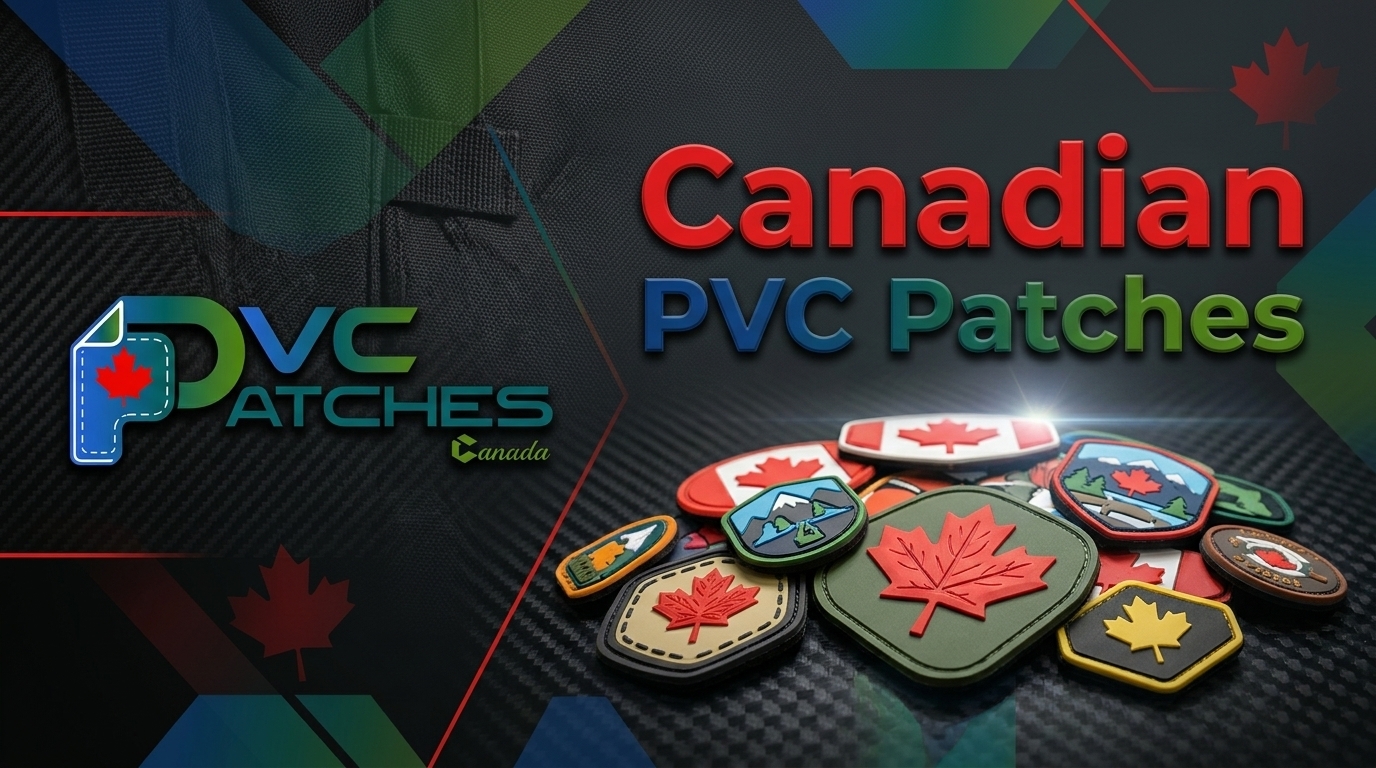
Patches are a practical way to display logos, represent organisations, personalise clothing, and identify equipment. From sports teams and outdoor clubs to businesses and individual enthusiasts, many people use Canadian PVC Patches because of their distinctive appearance, flexible design options, and resistance to everyday wear. Unlike traditional embroidered patches, PVC patches are manufactured using moulded polyvinyl chloride, allowing designs to include raised details, defined edges, and multiple colours.
However, choosing the right patch requires more than selecting an attractive design. Factors such as material quality, size, backing, thickness, and intended application can influence its appearance and performance. Understanding these elements helps individuals and organisations make better decisions when selecting patches for different purposes.
Understanding PVC Patches and Their Construction
PVC patches are produced using polyvinyl chloride, a synthetic material that can be moulded into different shapes, textures, and thicknesses. Although they are commonly called rubber patches because of their flexible texture, their composition differs from natural rubber.
The manufacturing process allows designers to create detailed graphics directly within the material rather than relying on individual stitches.
How Are PVC Patches Manufactured?
The production process generally begins with preparing digital artwork. The design is then converted into a mould that determines the patch's shape, dimensions, and raised sections.
Liquid PVC is placed into the mould and processed to create the required structure. Different colours can be incorporated into specific areas, allowing manufacturers to reproduce logos, lettering, symbols, and decorative elements.
After the material has been processed and cooled, the finished patch is checked for shape, colour consistency, and overall quality.
What Makes PVC Different from Fabric Patches?
Embroidered patches use threads to create images, while PVC patches rely on moulded material. This creates several differences:
-
PVC patches have smooth surfaces and clearly defined edges.
-
Their designs can include raised lettering and layered details.
-
They do not fray like conventional stitched fabric patches.
-
They can be easier to clean after ordinary dirt exposure.
-
They support bold colour combinations and custom shapes.
The best material depends on the intended application. Embroidery may be preferable for traditional textile designs, while PVC can be suitable for applications requiring a more modern, dimensional appearance.
Why PVC Patches Are Suitable for Different Canadian Applications
Canada has diverse geographical and weather conditions. Outdoor equipment in British Columbia may encounter frequent rainfall, while clothing and accessories in Alberta or Manitoba may experience snow and significant temperature changes.
Material selection is therefore an important consideration when choosing patches for everyday and outdoor use.
Moisture Resistance for Outdoor Equipment
PVC is generally resistant to water absorption, making it a useful option for backpacks, jackets, camping equipment, and other accessories that may encounter moisture.
For example, a hiking club could use PVC badges on compatible backpacks to display its logo or membership identity. The smooth surface can also make routine cleaning easier after outdoor activities.
However, the backing and attachment method should receive equal attention because moisture resistance in the patch itself does not guarantee that the entire attachment system is waterproof.
Durability for Everyday Use
Patches attached to frequently used items may experience friction, bending, and repeated handling. PVC's moulded construction helps prevent the edge fraying commonly associated with embroidered designs.
Nevertheless, durability depends on material formulation, thickness, manufacturing quality, and environmental exposure. Buyers should confirm whether a particular patch is suitable for their intended conditions.
Appearance Across Different Applications
PVC patches are available in different colours, shapes, and finishes. This flexibility makes them useful for organisations that want consistent visual identification across clothing, bags, and equipment.
Exploring Different PVC Patch Design Styles
Design selection influences how easily a patch communicates its message. Two common manufacturing styles are 2D and 3D PVC patches.
2D PVC Patches for Simple Designs
A 2D patch uses relatively flat colour sections with defined outlines. It is suitable for straightforward logos, lettering, symbols, and geometric artwork.
For example, a Canadian cycling club might choose a circular design featuring a bicycle symbol and its organisation name. A simple 2D layout can make the artwork easy to recognise without adding unnecessary visual elements.
This style is particularly useful when clarity and straightforward presentation are the main priorities.
3D PVC Patches for Raised Details
A 3D patch uses different heights to create a more dimensional appearance. Selected elements, such as lettering, mascots, or logo symbols, can be raised above the background.
A hockey team, for instance, might use a raised team emblem against a flatter background. This creates a noticeable texture and gives the design additional depth.
How to Make the Right Choice
Consider the following factors before selecting a design style:
-
Choose 2D for simple graphics and clearly separated colours.
-
Select 3D when specific elements need additional visual emphasis.
-
Avoid excessive detail that may become difficult to reproduce.
-
Consider the patch's final size before approving raised lettering.
A well-planned design should communicate its purpose without becoming visually crowded.
Selecting the Correct Size and Shape
Patch dimensions should match the item on which the design will be placed. A large emblem may look appropriate on the back of a jacket but appear disproportionate on a cap or sleeve.
Match the Size to the Intended Location
Different applications require different dimensions.
|
Application |
Suitable Design Consideration |
|---|---|
|
Caps |
Small, simple logos |
|
Jacket sleeves |
Compact symbols or identification |
|
Backpacks |
Medium-sized emblems |
|
Jacket backs |
Larger decorative designs |
|
Sports uniforms |
Readable team logos |
|
Equipment bags |
Clear identification graphics |
These are general guidelines rather than fixed measurements. The actual dimensions should depend on available space and artwork complexity.
Consider Custom Shapes
PVC patches can be produced in several shapes, including circles, rectangles, shields, stars, and custom outlines.
A camping organisation might prefer a mountain-shaped patch, while a business may choose a rectangular design featuring its logo and company name.
Custom shapes can make a design more distinctive, but complicated outlines should be evaluated for practicality and manufacturing requirements.
Understanding Different Patch Backing Options
The backing determines how a patch attaches to clothing, equipment, or accessories. Selecting an appropriate option can improve convenience and help prevent accidental detachment.
Sew-On Backing
Sew-on backing is suitable when a permanent attachment is required. It can be used on compatible jackets, bags, uniforms, and other fabric products.
Before sewing, check the garment's construction. Specialised waterproof clothing may require additional care because stitching can affect its protective membrane.
Hook-and-Loop Backing
Hook-and-loop backing allows patches to be removed and replaced without permanently stitching each design onto an item.
It is particularly useful for compatible uniforms, tactical-style equipment, backpacks, and accessories with matching attachment panels.
Before ordering, confirm that the receiving surface has the correct hook or loop component.
Adhesive Backing
Adhesive backing can be suitable for certain temporary or lightweight applications. However, its effectiveness depends on the adhesive formulation and the surface receiving the patch.
It may not be appropriate for frequently washed garments, rough outdoor conditions, or materials with uneven textures.
PVC should also not automatically be treated as an ordinary iron-on fabric patch. Excessive heat can damage the material, so the manufacturer's application instructions should always be followed.
Practical Tips for Creating Better PVC Patch Designs
A successful patch design should remain clear and attractive after manufacturing. Artwork that looks impressive on a large screen may lose important details when reproduced at a smaller size.
Use High-Quality Artwork
Vector files such as SVG, AI, and EPS are useful because they can be resized without losing their basic sharpness.
If the original design is available only as a JPEG or PNG, provide the highest-resolution version possible. Manufacturers may need to adjust the artwork before preparing it for production.
Keep Lettering Readable
Small text is one of the most common challenges in patch design. Narrow lettering and tightly spaced words can become difficult to recognise.
For example, a business logo containing a company name, slogan, and several decorative elements may benefit from a simplified layout. Keeping the company name and primary symbol prominent can improve readability.
Select Colours Carefully
Strong colour contrast helps individual elements remain visible. Similar shades placed next to each other may blend together, particularly when the design is small.
Review the colour combinations in the final-size proof rather than relying entirely on a large digital preview.
Request a Sample Before Large Orders
For organisations ordering patches in significant quantities, approving a physical sample can be helpful.
A sample allows buyers to evaluate:
-
Actual dimensions and thickness.
-
Colour accuracy.
-
Flexibility and surface texture.
-
Raised details and lettering.
-
Backing quality and attachment compatibility.
This step can help identify potential problems before approving full production.
Common Mistakes to Avoid When Ordering PVC Patches
Even a well-designed patch can produce disappointing results if important practical considerations are overlooked.
Some common mistakes include:
-
Ignoring placement: Choosing dimensions without considering the garment or equipment.
-
Adding excessive detail: Including tiny lettering or complicated illustrations that may not reproduce clearly.
-
Selecting unsuitable backing: Using an attachment method that does not match the intended application.
-
Overlooking environmental conditions: Assuming every PVC formulation performs equally well in extreme temperatures or prolonged sunlight.
-
Skipping artwork approval: Failing to check spelling, colours, dimensions, and proportions.
-
Ordering without testing: Purchasing large quantities without first reviewing a physical sample.
Taking time to evaluate these details can make the production process more predictable and help avoid unnecessary revisions.
Where Can PVC Patches Be Used?
PVC patches are suitable for several industries and personal applications because they offer flexibility in shape, colour, and design.
Sports Teams and Clubs
Sports organisations can use PVC patches to display team logos, mascots, and club identities. They can also be incorporated into compatible bags, jackets, and accessories.
Outdoor and Adventure Activities
Hiking groups, camping enthusiasts, and cycling clubs may use patches to personalise equipment and identify membership. Their moisture-resistant properties make them worth considering for certain outdoor applications.
Business Uniforms
Companies can incorporate PVC patches into compatible uniforms to display brand symbols, department names, or identification details.
Fashion and Personal Accessories
PVC patches can also be used on caps, jackets, and bags to create distinctive designs. Raised lettering, custom shapes, and contrasting colours provide opportunities for personal expression.
Conclusion
PVC patches combine flexible design possibilities with a distinctive moulded appearance, making them useful for businesses, sports teams, outdoor enthusiasts, and individuals across Canada. Their resistance to moisture, clearly defined edges, and availability in different shapes and finishes make them an alternative to traditional embroidered designs.
Choosing the right patch requires careful consideration of material quality, size, backing, artwork, and intended application. Whether the design is intended for a sports uniform, outdoor backpack, business accessory, or personal garment, every element should serve a practical purpose.
By understanding the available styles and evaluating manufacturing requirements before ordering, buyers can make informed choices and create patches that balance visual appeal, functionality, and durability.

